Mistakes Made in NYC

IMG_3981

    • Buy a SIM card from a vending machine in JFK. T-Mobile, why no stand at the airport? How are there no telecom providers there? What’s a payphone?
    • Pay for individual metro rides. Get the unlimited 7-day card for $32 and take all the wrong trains you want, no penalties for being a semi-tourist except lost time.
    • Fail to invent an app that tells you where there are clean public bathrooms and charging stations. Every traveler’s two worst enemies are iPhone batteries and bladders. With that said, thank you Starbucks for your $7 blattery break. Get the powerbank from all those techie shops in Duty Free.
    • Assume that Airbnb hosts will have towels available because it’s basically like a hotel with a stove, right? Go buy $5 bath towels from a dollar shop around the corner. Proceed to have pink fuzz everywhere after every shower. It’s been 3 days since I returned and I still feel like a molting Furby.
    • Allow eternally lost friend to navigate. Instead of ending up at Century 21, the discount hotspot by the Empire Hotel, you end up near a Century 21 real estate office in Soho.
    • Attend Sleep No More while suffering from respiratory allergies. Although one of the most intriguing experiences and my first at interactive theatre, running up and down staircases through creepy sets with a mask on when you can’t breathe is a whole new level of nightmare. Note to self: bring tissue and a snorkel next time.
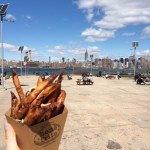
    • Eat breakfast before going to Smorgasburg. That’s just wasted space. Especially when you’re going to be stocking up on 18-hr cooked bbq beef burgers, ramen burgers, nutella banana wontons, and truffle fries. And maple lemonade. And cheese curds. And Pepto-Bismol.
    • Eat everything and justify it by saying “well, you ARE walking a lot here.” You are not Forrest Gumping through the Meatpacking District, you’re packing meat through all the districts. No, I don’t mean like that, perv.
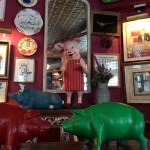
    • Wait too long for a table at Spotted Pig in Greenwich without taking photos of the movie-set neighborhood streets because, if you walk away, you might miss Kanye walking in. Forget to ask for your burger without Roquefort cheese because you’re so hungry you didn’t even read the menu, you just said “burger, medium well” and started counting pig statues. Miss the train back to Brooklyn for the Mast Brothers Chocolate Factory Tour. Go home to slip into food coma.
    • Wear the right shoes with the wrong socks and bleed on your Nikes. Use this as a completely illogical excuse to buy a new pair and go to Lady Foot Locker when you know sneakers are your Louboutins. If you find yourself agreeing with the saleslady when she says, “you can never have too many Nikes,” you need to get out. ABORT MISSION.
    • After realizing you are part of the first two cult followings of America (Starbucks and Apple), contemplate joining the 3rd: Abercrombie & Fitch. Realize you don’t like smelling like a junior prom queen or lining up to use a flashlight to shop for hoodies. I can do both by rummaging through my own garage.
    • Pass up on a bottle of chili oil honey from Roberta’s because you got take-out since there was a wait of an hour and fifteen minutes and you didn’t want to buy it before trying the Beesting Pizza. You thought something called “chili honey oil” could actually taste bad. Fool.
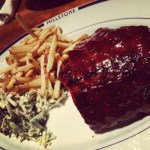
    • Leave ribs on your plate at Hillstone because you’re full. You could’ve taken 4 more, weakling.
    • Going to Fuerza Bruta after ingesting half of NYC. I am a slug in human form.
    • Only spending 10 minutes at Grand Central Station and 30 in Dumbo. What are you even doing underground on the subway where you see nothing but people using the earphone protective forcefield? Swim to Brooklyn.
    • Wait for someone to ask where you’re from. Walk around with “I’m from Beirut” written on your face because people will either think you’re:
      a) a good businessperson
      b) friendly unlike the “dry Americans” and give you hugs goodbye
      c) from a place they’ve never heard of and, thus, you are exotic or a terrorist
      d) just sooo gorgeous.Upon revealing my nationality, an Ivory Coast cabbie immediately felt a connection because our countries were both occupied by the French, a Yugoslavian mother told me her life story within 12 minutes of meeting, a Turkish shop owner gave me free postcards & stickers, and a Puerto Rican gay man named Carlos said I was the Regina George of New York. WIN.
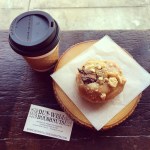
    • Send a picture of your vegan doughnut to your vegan sister. Have her jealous vibes send your cappuccino flying into your lap. Plus side is smelling like doughnut glaze all day.
    • Introduce yourself using Arabic pronunciation. Adopt “Vera” as your new name since that’s what they hear anyway.
    • Constantly move. Johnathan from HONY can’t take your picture if you don’t stand still and look pensive. I had my speech ready and everything. I even bought a hipster hat from a Brooklyn flea market.
    • Be flattered by people thinking you’re a New Yorker but then have an existential crisis about whether you are meant to be one or not. Chuckle and think, “Please. Carlos is right. I got this,” and get on the 6 humming JLo.
    • Use the excuse “I’m cold” to eat warm breakfasts like bagels, waffles, and muffins. Blueberry flavor and topped with fresh fruit because, ya know, it’s healthy. Having an everything bagel will teach you that frozen Sara Lee bagels tossed in a toaster aren’t bagels, they’re carbohydrate lies. Thank God that the cold also means your clothing layers will hide your gluttony until you go on a kale-only diet for 6 months upon return to the labneh motherland.
  • Miss labneh.

Moscow: 3 Meals in 3 Days

The Brooklyn of Moscow

The Brooklyn of Moscow

Although this was not my first business trip to Moscow, it was the first in which I got to experience a bit of the city. Did I have stroganoff? No. I did, however, get to see some of Moscow’s hotspots. If you don’t speak Russian and you need to get around, use Uber for cashless transactions or Yandex Taxi if you have rubles on you. You can plug in your destination so you *hopefully* won’t get lost and need to google-translate your way home. Free wifi is usually available at most hotels and cafes so just linger outside of one long enough till you connect.

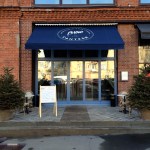
Buro Canteen 24/7

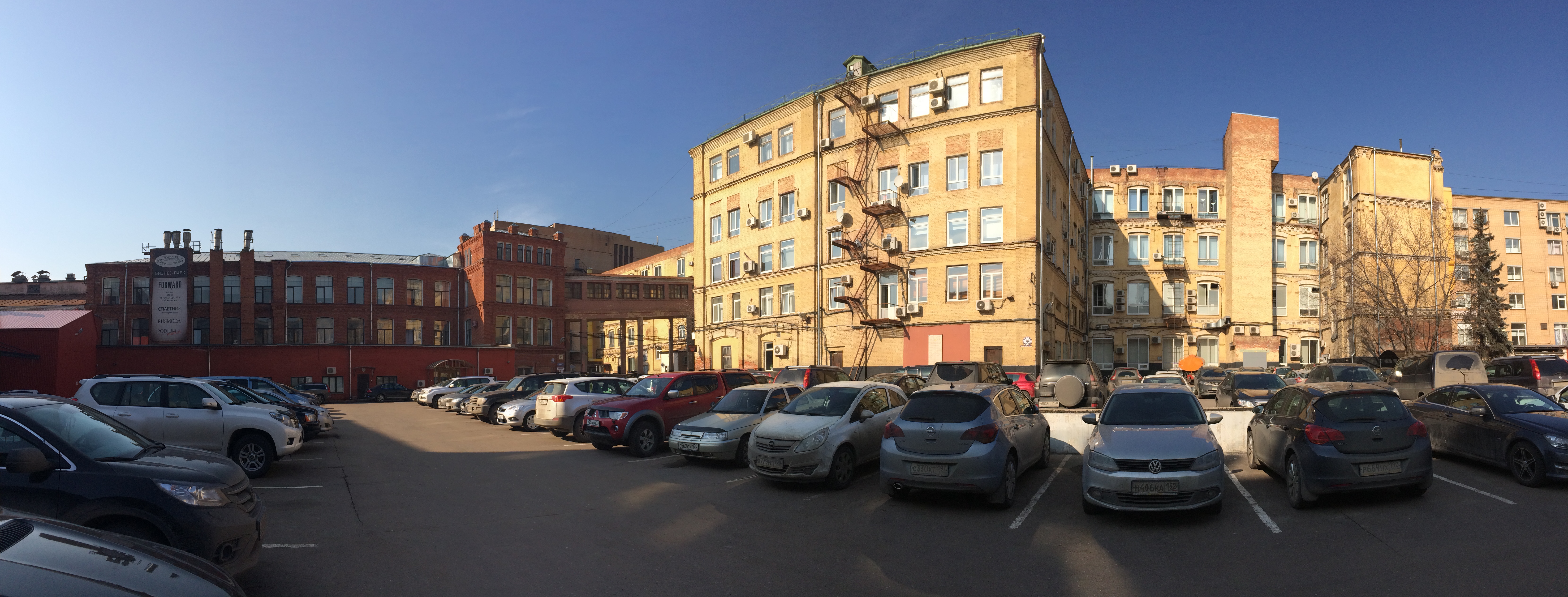
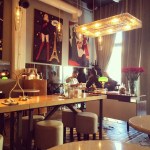
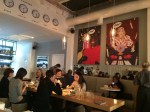
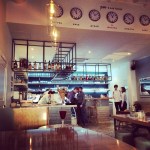
Buro Canteen is the latest project from Buro 24/7 Russia. If you’re wondering where the Muscovite hipsters hang out, I would imagine it’s at this cafe. The Canteen is located in the middle of an industrial-turned-hip complex that could easily be mistaken for the Highline or Williamsburg. The interior decor is a Soviet Art Deco dream made for Instagram: large vibrant posters, a hand-lettered chalkboard menu, an illustrated world map, and an instant photo booth in the bathroom – need I say more?

Apparently the spot does, in fact, cater to a lot of creatives working in big fashion companies nearby which was what Mira Duma, Buro 24/7 founder, was hoping for when she decided to open the concept there. The Canteen was created in partnership with Girl Power LLC, the group behind The Slow Kitchen and B152|Tearoom (both also in Russia).

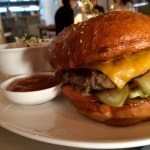
The menu is changed regularly and has a variety of options. We ordered zucchini & feta rolls, burgers, and fries. The ketchup was a winner.

White Rabbit

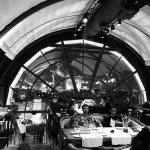
Located on a snazzy rooftop of a hotel/shopping center, White Rabbit has a full view of the city of Moscow through its large semicircle windows. The decor is shabby chic, with large armchairs and psychedelic Nat Geo photographs of wild mushrooms scattered among portraits of rabbits dressed in Victorian costumes. It’s as if the Mad Hatter invited you to come have drinks and ravioli.

We had great cocktails: a raspberry passionfruit cosmopolitan and a mandarine bourbon mix. Although we weren’t eating lobster or anything of the sort, they made us wear bibs before dinner. The guys’ version had bow ties and ladies had necklaces. I think we smelled like camera-happy tourists so they wanted to give us the full experience because we got smokey sorbet on the house for dessert. Waiters speak English! Yes!

Mendeleev

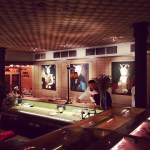
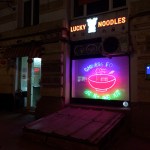
So this is another place that I would expect to find in NYC. It’s entrance is inside the fast-food Chinese Lucky Noodles joint. To the right of the register, there’s a bouncer blocking a staircase that leads to a speakeasy-like gastropub from the 1920s. The bar has barely any chairs and you have to pay minimum charge for a table. If you plan on eating and drinking, you might as well just get a table because your bill will come out to about the same.

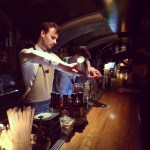
It gets really crowded by midnight and you wouldn’t even guess that there’s a financial crisis going on in this city. However, I’m pretty sure those affected by it aren’t hanging out at an underground pub named after the guy who discovered the periodic table. And what an appropriate name it is: the bartenders work like chemists, mixing concoctions based on what you want because you can’t read the all-Russian cocktail menu. Drinks are excellent* and the music was just like being out in Beirut, house that got deeper as the night got later.

* meaning they don’t taste like diluted alcohol and you don’t need to wait till your third to actually enjoy not tasting what you’re ingesting

My First Visit to Tripoli

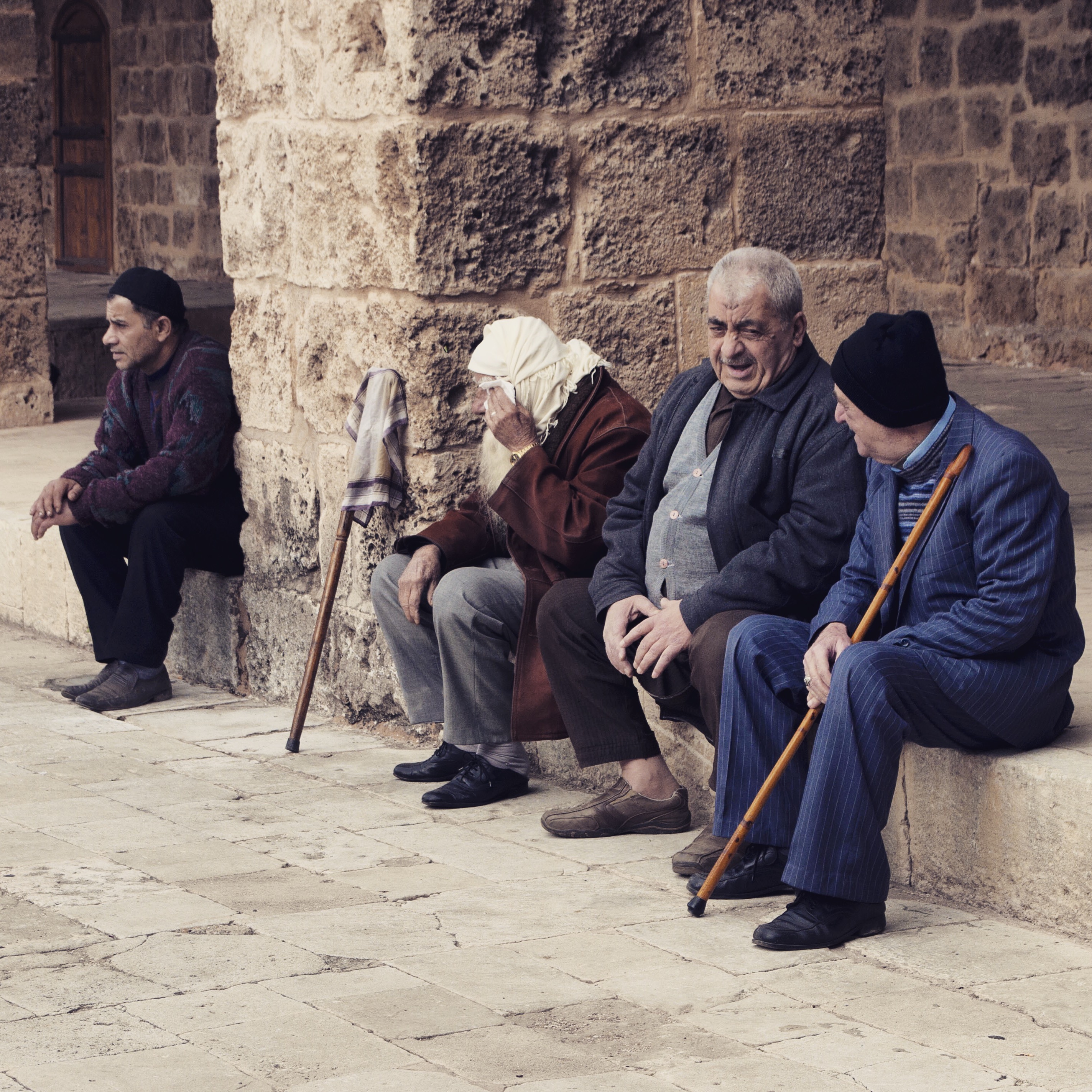
The men in the mosque

The men in the mosque

While waiting for the bus to take us there, a few Americans told me about how they had been living in Lebanon for over two years and still hadn’t made the trip to Tripoli. I think I relieved their guilt when I told them that, after 15 years, I had never been either…and I’m Lebanese. After posting a few photos and sharing my trip with friends, their reactions were, “shu akhadik 3a trablos?” (what made you go to Tripoli?). I need justification for going to a place that is a fundamental part of my nation’s history.

Mira Minkara has been organizing walking tours of Tripoli since last year and also does a separate tour dedicated to Oscar Niemeyer’s abandoned architectural projects there. I can’t say that the tour was well-planned: we didn’t go to the crusader’s castle or the valley of the churches because the priests were out for Sunday lunch or enter the Taynal Mosque because it was prayer time and there was a funeral right after. We also didn’t get to walk through the city streets like a local. Compared to other walking tours I’ve been on, I did not feel like an inconspicuous fly on the wall experiencing an area’s dynamic. When you’re in a group of over 40 people, mostly foreigners, being led through tight low-ceiling alleys by a woman yelling through a megaphone, you tend to stand out. At some point, as we were all buying kaak and barazi, a store owner jokingly yelled out, “el ingleez ehtalo elbalad!” to his friend across the way. It means “the English have occupied the country!”

Mira walked us through the old souk, various hamams, and a few khans. Unlike Beirut, Tripoli’s older parts are not mixed with the new ones. Old and new Tripoli are separated but, like Beirut, its heritage sites are under the threat of development: the site where the Ottoman serail once stood is going to be converted into a parking lot.

The old souk itself feels more authentic than that of Byblos which has become more commercialized: catering to the tourists looking for fez hats, belly-dancer scarves with dangly gold coins, and fossil replicas. Tripoli’s souk has yet to be overrun with that sort of merchandise or clientele. The hamams, some renovated and some rotting, are magnificent. Hamam el Nouri, hidden behind a saj place, is aging beautifully. I’m a fan of the way it’s disintegrating naturally. Hamam Ezzeddine, on the other hand, is freshly painted and adorned with roll-up banners explaining each room and process. I do hope that the renovation stays true to its original design but I won’t deny that architectural botox can remove some of the historical spice. When you enter a space that was once occupied by the Ottomans ages ago, you want to feel that. It would be a shame to wipe away the wrinkles, dabbing some foundation on the rough edges should be enough for preservation. Khans, inns with a courtyard, were areas that seemed to be dedicated to one type of craft. Khan el saboun for soap makers, khan al khayateen for tailors, and so on. The soap makers were my favorite. Besides the smells and spirals of colorful bricks, it was endearing watching an old man tell his young daughter where the mint-scented soaps were. It was a family business of craftsmen. I’m a sucker for artisanal families.

OTHER TRIPOLI TIDBITS:

  • In a workshop loaded with copper and brass pieces, we found a man hammering away at a bowl. Some artforms are still alive if you look for them. I got a little copper rakweh (Arab coffee pot) for $5. What a steal.
  • Outside of Mzaar Saydit Younes, a small altar dedicated to the Virgin Mary, a veiled Muslim woman was asking a Christian woman about sainthood and differing beliefs. When I see Lebanese people trying to understand one another rather than argue over what they believe in, I am comforted that we are not all sectarian sheep.
  • An Arabic-speaking German woman living in Ras el Nabaa, who previously lived in Egypt, was talking to the table of other Lebanese while she ordered her own hummus. I’m pretty sure we all assumed she’s a spy. That’s just how it is.
  • Hamam el Abed was named as such because an escaped slave from Akkar used it as a refuge before he was murdered there. It’s the only operational hamam left but it’s only for men.
  • Although I want to believe that our Lebanon hasn’t been tainted, I saw ISIS stickers on the plaque of a tomb. Uh oh.
  • New Arabic word: tawashiya means eunuchs.

Right now, Tripoli has a reputation for being dangerous so most tend to avoid heading that direction unless they have to. But what was our excuse when things were calmer? Perhaps it’s more about the fear of the unknown. The ripples from terror that affect Tripoli don’t reach our capital city with the strength you would expect. Unless you are from there, what happens in Tripoli might as well happen in Iraq; the reactions are the same. To a lot of the people of Beirut, Tripoli is far, off in the north, almost its own state. In reality, it’s less than a two-hour drive away. Next time you’re there for halawit el-jibn from Abdulrahman Hallab, take a stroll in the city too. Buy a bar of soap. See Lebanon.

Bambi’s Soapbox turns 3!

I started this blog anonymously under the name “Bambi”, a nickname given to me because of my eyes. It was originally a sounding board for all the thoughts that my head had no space for. I wanted to be able to write without thinking about reactions, without people I know knowing it was me. Eventually, I embraced the exposure of the inner workings of my brain and, sometimes, my heart. I put my name on those speeches I was giving on my little soapbox on the Internet.

As of this month, Bambi’s Soapbox is now 3 years old. It’s become my special place where I try to show a different side of Lebanon – the one that I keep trying to find, the one I know certain people are trying to build, the one I want it to be whole-heartedly. It’s the Lebanon I hope to have a hand in creating one day. I try to show you that it’s not all bad, even at the times when I don’t believe it myself.

This blog is my on-going love letter to Lebanon so that when I forget why I love it, I can go back and find out. I’m a very guarded person but I put a lot of me into this blog and I am thankful that I have some readers relating to the moments when I’m human.

I won’t lie, Lebanon – it’s been harder to love you lately. But I’m going to try even if I have to leave at some point to keep doing so. I was always a sucker for a romance that could survive the test of time.

Here’s to three more years of climbing up on that soapbox!

Hezbollah, Skybar, and Sex

DSC_0808

Based on Habib Battah‘s lecture about digital accountability held at AUB a few weeks back, those three are the topics that get attention here in Lebanon. Naturally, I threw them in my headline to make sure people pause when scrolling down their timelines. After MTV’s banana song stunt, there is some truth in our tendency to be attracted to the dangerous, the trivial, or the naked. However, I refuse to believe that all of us are that easily distracted or amused. I know there are others out there worrying about the most fundamental issues that we face every day.

We have enough societal woes to satisfy a stadium full of talented problem solvers. What we don’t have are concrete records of what is going on, what is and isn’t being done, or who is to blame/thank. Lebanon should be an investigative journalist’s wet dream. It’s also that for social workers, policy makers, or anyone interested in urban development, public space, or civil innovation. Unfortunately, when it comes to information and presentation of facts, there is a gap.

In come the activists that have been carrying out intense research on their causes, coming to the field armed with information and ready to tackle the “bad guys” who are usurping land, rights, property, and heritage. Funnily enough, this has pushed journalists to do their homework properly. Activists, bloggers, and anyone with an Internet connection have challenged the media to keep up because they’re bringing expertise, research, and documentation to the table. Booyah.

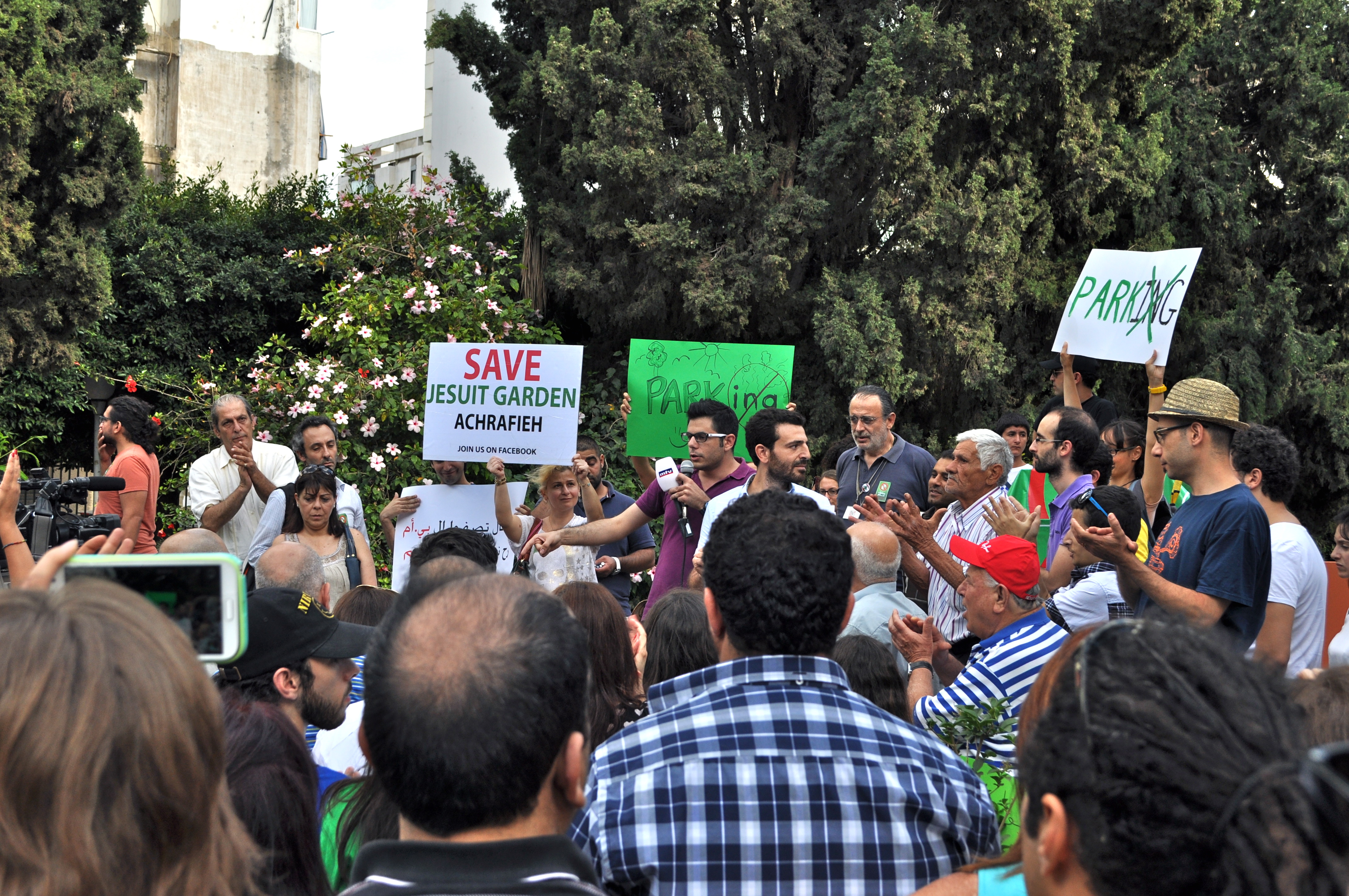
Habib’s talk focused on the various movements that actually made a difference through online activism. Dalieh, #STOPLIRA, Fouad Boutros Highway, Jesuit Garden in Geitawi, etc. All these projects were disrupted or put on hold in some way. It would be a half-truth to say that these efforts were purely online, Facebook-page avec hashtag-frenzy. All effective groups had grassroots: there was a physical leg to what they were trying to achieve. But the alliances that formed online, the buzz that is created as a result, and the noise that it makes internationally cannot be ignored.They coordinated, organized, and mobilized toward a common goal. The key is to have a very clear issue as a group’s main focus. Baby steps.

Digital accountability has been a useful tool when it comes to exposing wrongdoings and has resulted in officials now seeking the approval of their audiences. Via this digital accountability, a form of digital citizenship has begun because the people feel empowered, like their connection to this country is being valued and their opinions matter.

With all the new ways of communicating, broadcasting, and existence of platforms for public debate, maybe we’ve underestimated our digital voices. We share, post, connect. We tell the world when there is an injustice occurring. We’re not only making noise, we’re being heard.

Why Wait?

A high school friend passed away this week. And, although I didn’t know her, a young girl from my gym was in a fatal accident last week. Today marks 10 years since the assassination of Rafik Hariri. As selfish as it may be, all these events remind me of how unpredictable our days are. We’re not in control and we don’t get to decide when the time is right…for anything.

My taebo instructor told us not to take our time for granted, not to wait until we’re wishing we had another chance to tell someone we love them, for just a minute so we can say one last sentence. It’s not the first time I’ve been told this or the first time it’s crossed my mind but maybe my recent reevaluation of where my days are headed made it resonate with me more than it ever had previously. Perhaps it was the high school friend’s way of living that inspired me to remember to be courageous in what life is supposed to be for me and the people I am connected to. After seeing the mark that he left on so many, it seems the only thing we do have control over is our effect on other people.

Tell your siblings that you’re only a bossy protective pain in the ass because you want to help them face the world that has already bruised you; you’re not trying to be another parent. Tell your friends that your favorite nights have been the ones where you end up eating Szechuan chicken in Monot after post-happy-hour 90s-tunes cruises. Hug your parents and tell them you’re sorry they paid for two degrees because it wasn’t clear that you didn’t want to be a doctor until your 3rd year of premed. Tell your colleagues they’re the only reason you’re still getting out of bed in the morning. Tell your person. Tell them that you want them, because, if they left, your life would be an endless series of Mondays. Tell them Fridays, you’re in love. Tell them even if they can’t tell you.

Say it all.

As a resident of the unstable Lebanon where you never know what’s in store for you when you leave the house every morning, I firmly believe that you should share what’s in your heart. Telling someone what they mean to you without expecting reciprocation or reaction can’t be negative because it is simply a declaration of genuine affection. It is honesty in its purest form.

Today is also my 27th birthday. I am grateful I’ve been given another year and I have another day to tell all the people I love that I love them. To all the people who feel the same, thank you for loving me too. All I can say today, on the commercialized day of love, is that nothing is promised. Say what you can now. Tell people how you feel. Why wait?

5 Handcrafted Valentine’s Day Gifts

IMG_2408

Yes, Valentine’s Day is commercial and you don’t need a day to appreciate the ones you love. But if you love someone, what’s the harm in having an excuse to celebrate it? I’m sure each couple has their own way of doing so and, perhaps, has agreed:

a) not to exchange gifts,
b) not to acknowledge this “holiday”
c) to stay in with DVDs & sushi

Nothing is wrong with opting for a sweet bouquet, a handful of Hershey’s Kisses, and an “I love you.” But for those of you who need some ideas, I put together a list of some unisex handcrafted items you could get here in Lebanon so you don’t have to resort to Amazon and fork over shipping fees, go to Pinterest and attempt a DIY project when you’re not the artsy type, or buy a generic fluffy heart-covered monstrosity from [insert gift shop chain name here].

If you want to get your special someone a present that is thoughtful and unique, go for the personalized and custom-made. And don’t forget to wrap it up nice because half the fun is the mystery and anticipation behind a wonderfully packaged surprise. Also, feel free to contact me for a Bambi’s Soapbox love card. I’m selling them at a discount: 5,000 LL each.

5. Creative Space Beirut/Second St

IMG_1693IMG_1700

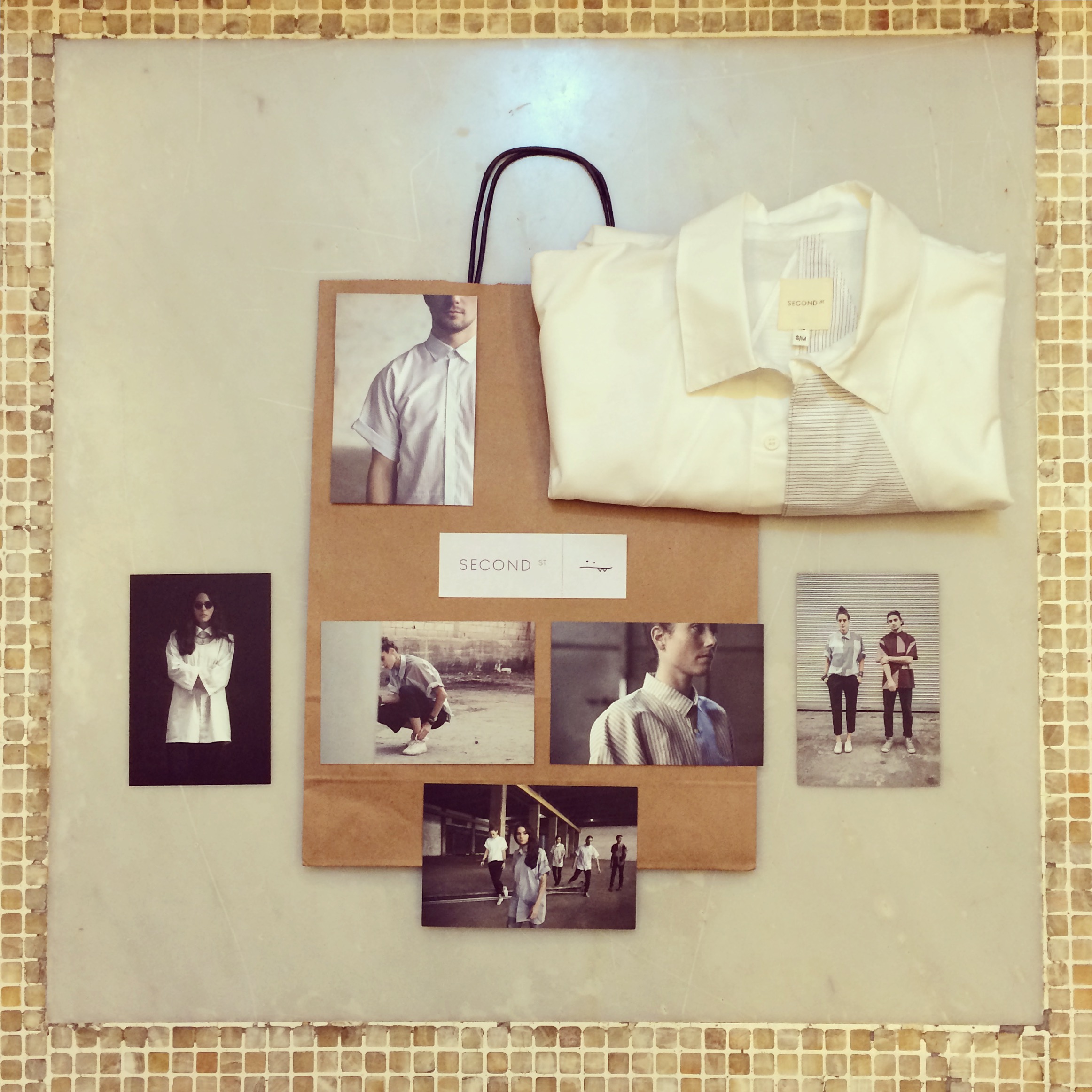
Featured last month on the blog, these two brands have hand-stitched fashionable pieces done by fashion design students (Creative Space Beirut) and Sarah Hermez & Tracy Moussi (Second St). On top of getting some stylish clothing, the monies you invest in these pieces would go toward keeping a free design school running. They’re available at the Creative Space Beirut or Memory Lane, both in Mar Mikhael.

4. Crochet Friend from Rachel K

Screen shot 2015-02-01 at 7.15.19 PM

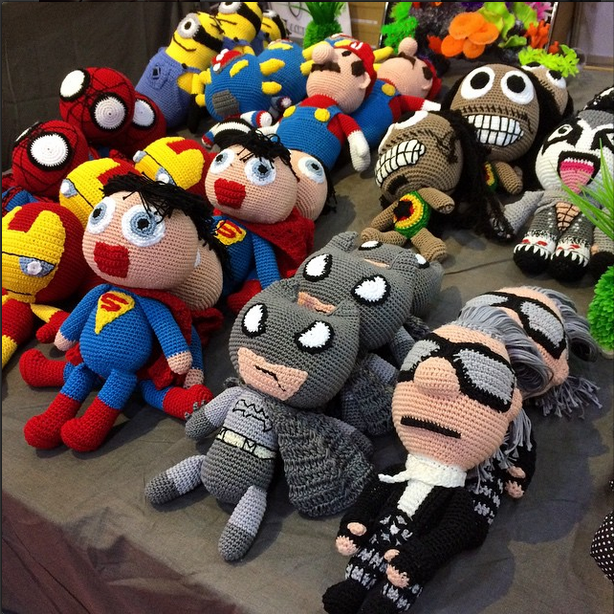
I discovered Rachel at Afkart in December. She has a collection of fashion pieces too but what really caught my eye at her stand was her geeky handmade crochet buddies. From Karl Lagerfeld to Mario, these little guys go for $60 a piece. You can also request a personalized crocheted version of you (or your beau) but I’d refrain from gifting a voodoo-like doll to someone you love. Unless you’re into that. No judgment.

3. GGRIL Glass Goods

From GGRIL's Facebook page

From GGRIL’s Facebook page

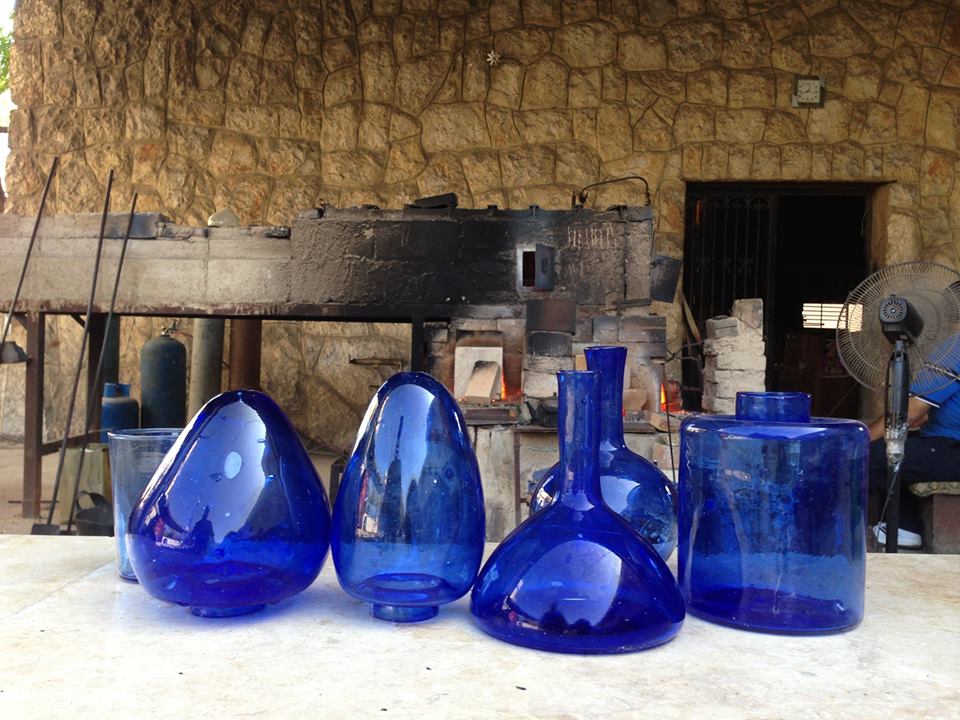
It would be wrong to have a list of handcrafted items without including the work of Ziad Abi Chaker and GGRIL. Whether it’s a vase for the bouquet you just got or a lamp to set the mood for the evening, GGRIL has beautiful blown glass items that make great presents. Plus, they’re supporting a dying artisanal craft in Lebanon AND recycling old booze bottles. Sold at various cafes and stores: Dar Bistro & Books in Hamra, Vide-Posh in Badaro, Bayrut Express in Ashrafieh.

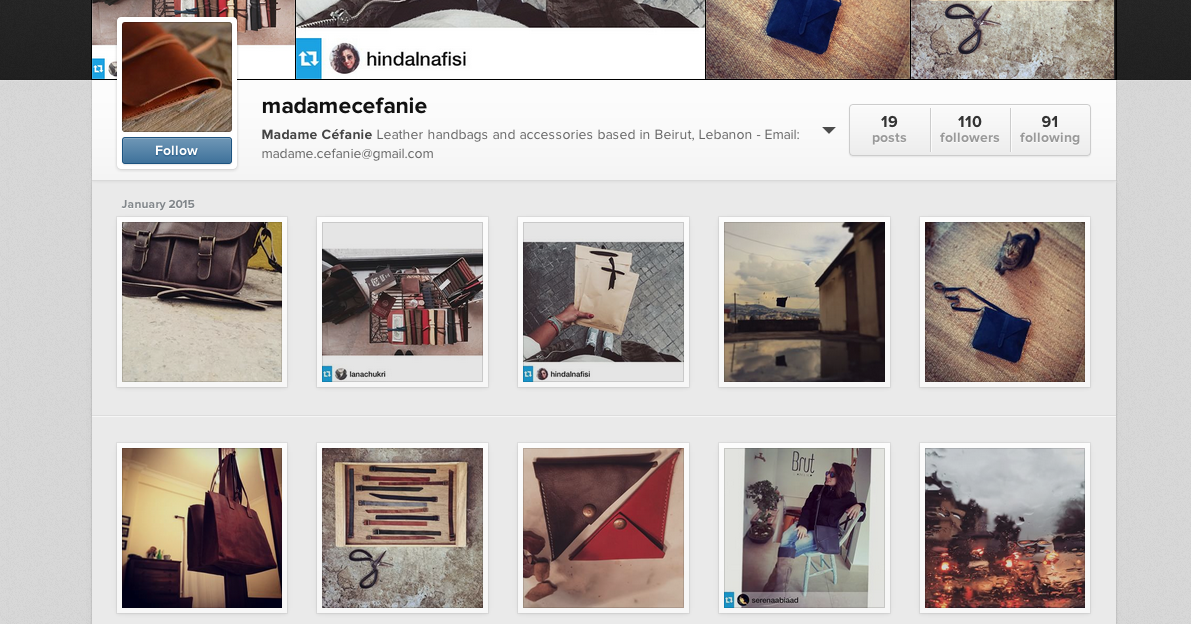
2. Madame Cefanie Leather Goods

Screen shot 2015-02-01 at 8.00.33 PM

I saw this lady’s work at Brut l’Atelier while on the Mar Mikhael walking tour. There, you can purchase a wallet or purse of various colors OR you can contact Madame Cefanie to request a customized bag with size and color of your choice.

1. Baked Goods

Try to bake some cookies or their favorite dessert (given that it’s not soufflé or anything else that would have Gordon Ramsay yelling at you). Baking a sweet treat for your person puts all the tender, love, and care into the pan of fatty goodness you’re whipping up for them. Wrap it up with some nice wax paper and ribbon: instant personal gift! Make sure to use chocolate for the extra aphrodisiac effect. *wink wink*

And when all else fails, if none of the above works for your significant other, go for lingerie (remember what I said about a “wonderfully packaged surprise”?). Buy it for them to wear or wear some yourself: everyone wins.

BETA’s Space Crisis

BETA, Beirut for the Ethical Treatment of Animals, is having a space crisis. Their shelter is running out of space for the increasing population of animals in need of homes. This increasing number is due to two factors:

1) Low adoption rates
2) A strict no-euthanasia policy (putting unadopted animals to sleep)

There are no plans to expand the overcrowded shelter due to lack of funds. Since BETA is an NGO, it is mainly donation-based and an expansion would require a lot of the pesos that they use on operations, sterilization, deworming, food, and so on. The current shelter was never a shelter; it’s a refurbished pig farm that is home to over 400 dogs. That’s double the ideal capacity. Many dogs who were abandoned near the shelter end up at risk: hit by cars, tied to trees, injured/killed by other animals.

For the Lebanese, adoption is a new thing that people are not used to. I remember when I used to visit Beirut in the summers as a kid, Lebanon was not even a pet-keeping society. Now, the poo-covered sidewalks in Ashrafieh tell me otherwise. Cleaning up after your pets is a topic for another post though. People here are used to going to pet stores and forking over cash for purebred puppies. Sadly, there is a form of discrimination when it comes to full-grown mixed breeds. There is an archaic misconception that pure breeds are more affectionate, smarter, cuter, or just better pets. Trust me, that’s not true and I had a Persian kitten once.

Given, the adoption process at BETA is not simple but it’s coming from a good place. If you go to a pet shop, you’ll get a puppy no questions asked. BETA will make you reconsider whether you’re making the right choice when it comes to a pet though because they will tackle it from all angles. Having a pet is not like watering a plant. These animals are like children: they need vaccinations, they need check-ups, they need baths, they need attention. Just because you can pay the amount on the cage does not mean you will provide the non-monetary needs. BETA’s process makes you ask the right questions when it comes to making this kind of commitment. These animals have been through enough; BETA is making sure they won’t have a pet jumping foster homes. “We not only want dogs to find ‘homes’ but we strive to find them a home that would welcome them as a family member and not an ‘animal’ put on the roof or on the balcony.” 

EXPATS PETS PROGRAM
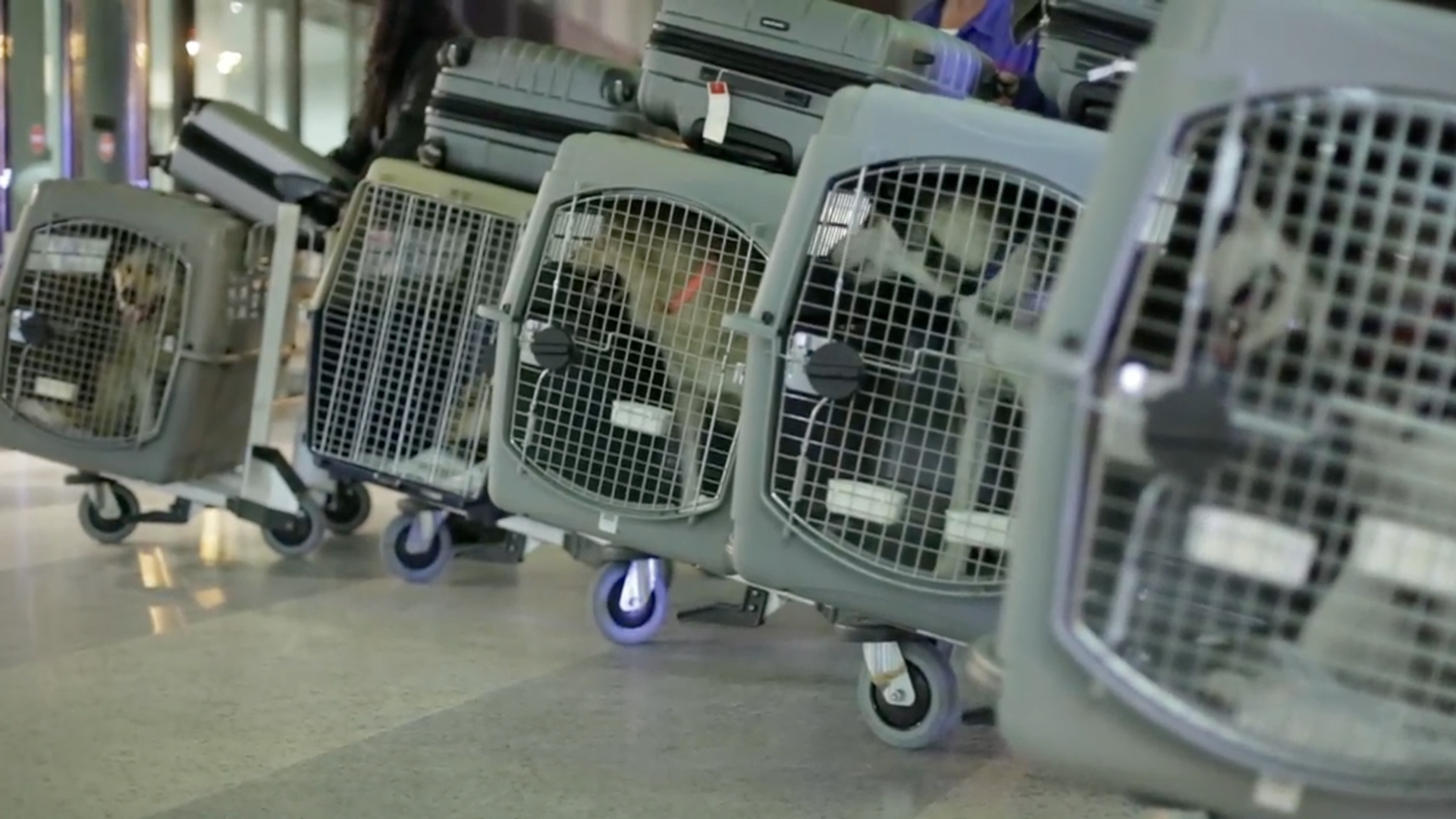
The BETA team came up with a new program to rectify the current situation. Once again, we’re calling on the Lebanese diaspora and others abroad to help since the Lebanese living here aren’t keen on adoption. Personally, I would love to have a dog at home. However, like many other people who live in the city, I don’t have the open space or schedule that would be fair to a dog who needs love, attention, and fresh air. “This program aims to find animals loving and permanent homes abroad, while raising awareness on this forced immigration so as to encourage local adoptions.” Even the animals of Lebanon need to leave the country for better opportunities and a more secure future. Is this what we’ve come to? airport image 3

Dogs who are adopted via this program are accompanied by BETA members who pay for their own flight ticket. Those who have frequent flyer miles use them to cover part of the dogs’ tickets. The rest is collected from people who feel sympathy for the animals. BETA gives priority to senior animals, handicapped ones, or simply animals chosen by an adopter living abroad. They handle all the paperwork but the process depends where the animal is traveling to.

If you’re interested in adopting here or abroad, check out the website. If you can’t adopt but still want to help, you can send donations or stop by the shelter to give/receive some affection. Like their page on Facebook so you know when there are activities you can participate in too. For example, last Christmas morning, there was a dog walking group in Hazmieh. IMG_1154_2IMG_1169_2IMG_1160_2

THEY STILL HAVE TO MAKE THE CUT

Adopters abroad still have to go through the rigorous screening process that BETA is known for. Just wanting a furry friend is not enough; adopters need to be suitable to care for one. International organizations carry out this screening process on BETA’s behalf. There have even been cases of BETA members’ friends carrying out interviews and follow up. It’s not always a happy ending though: there were some incidents where animals were not adopted according to BETA standards. A BETA volunteer flew to bring them back to Lebanon at her own expense.
DON’T PAY, CONSIDER ADOPTION

Adoption’s a win/win situation when someone can do so: you save that dog’s life but also allow for another dog’s life to be saved since there’s free space in the shelter. Of course, this doesn’t apply when the shelter can’t handle the lives they already have. If you’re looking for a new pet anyway and have made the conscious decision that you can care for another being, I encourage you to adopt. Instead of buying a pet from a pet store and financing unhealthy breeding practices, stop by the BETA shelter. These lives shouldn’t be bought, they should be loved.

IMG_1880

Taking a Walk in Mar Mikhael

IMG_1856

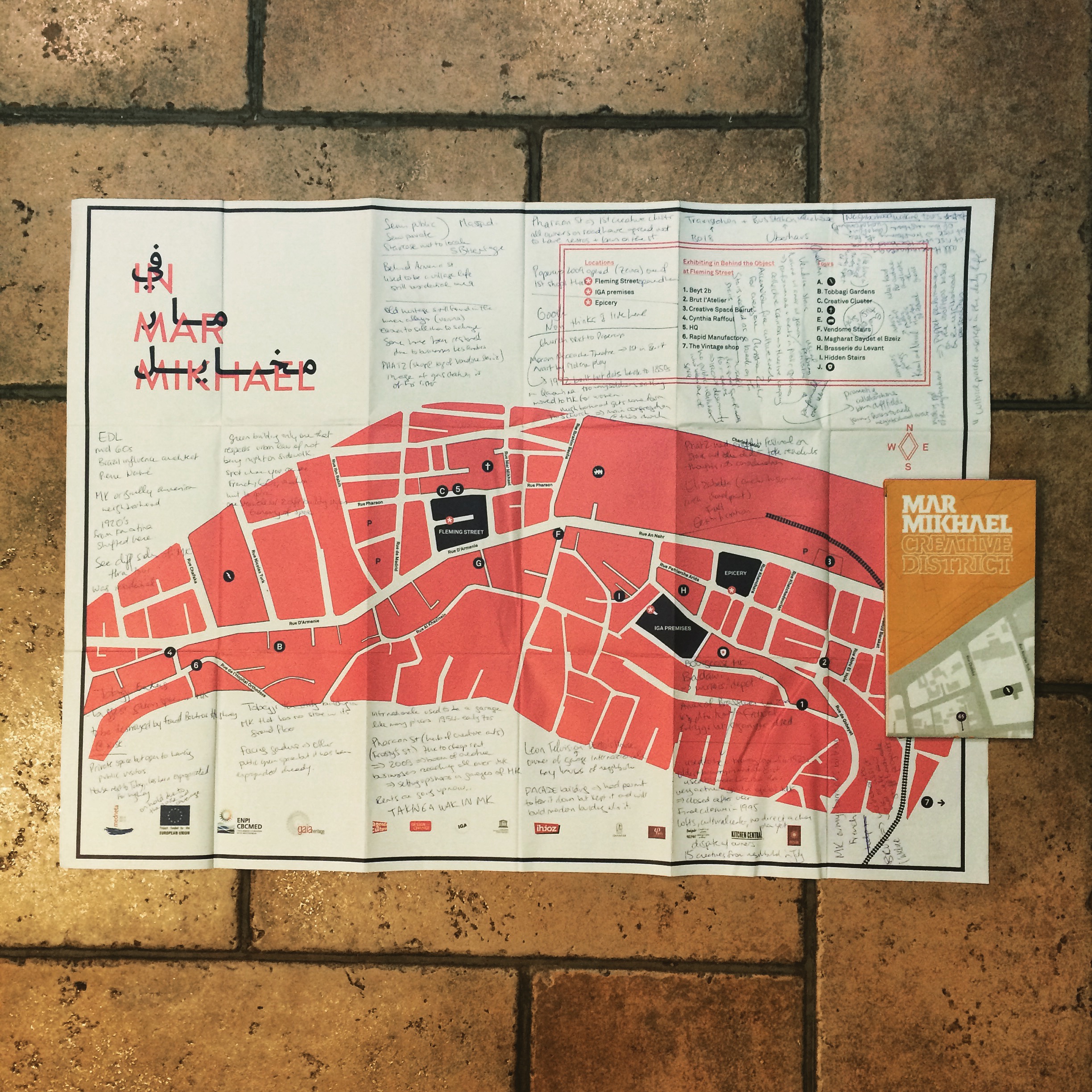
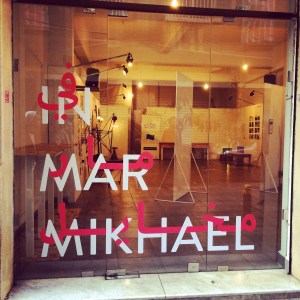
As part of the In Mar Mikhael event, two walking tours were given this weekend. I went along for the afternoon activity this Saturday thinking that I knew a lot about the neighborhood I spend so much time in. Seriously, Google thinks I live in Mar Mikhael because I’m in Ashrafieh (work and play) so much. Turns out, there’s more to this place than I thought.
IMG_1846_2

The beginning, EDL

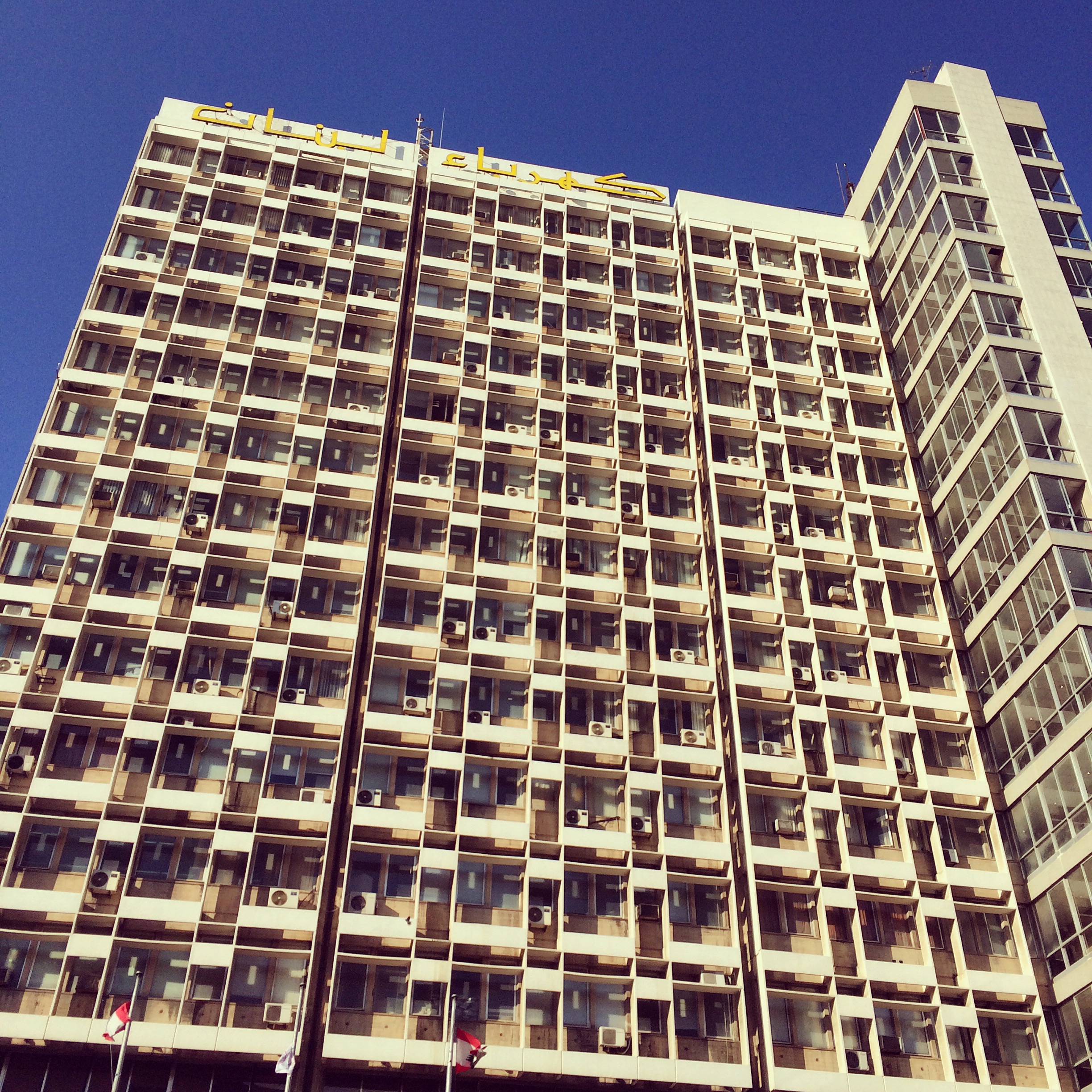
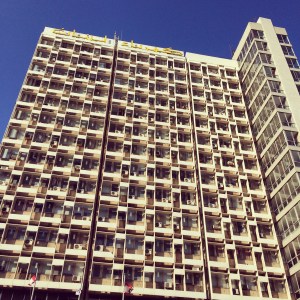
The tour began in front of Electricite du Liban where we were divided into 3 groups departing every 10 minutes. Since I opted for English, Elisabetta was our guide, and started with a brief intro about the Brazilian-influenced EDL building. It was built in the mid 1960s, designed by a Lebanese architect, Pierre Neema.

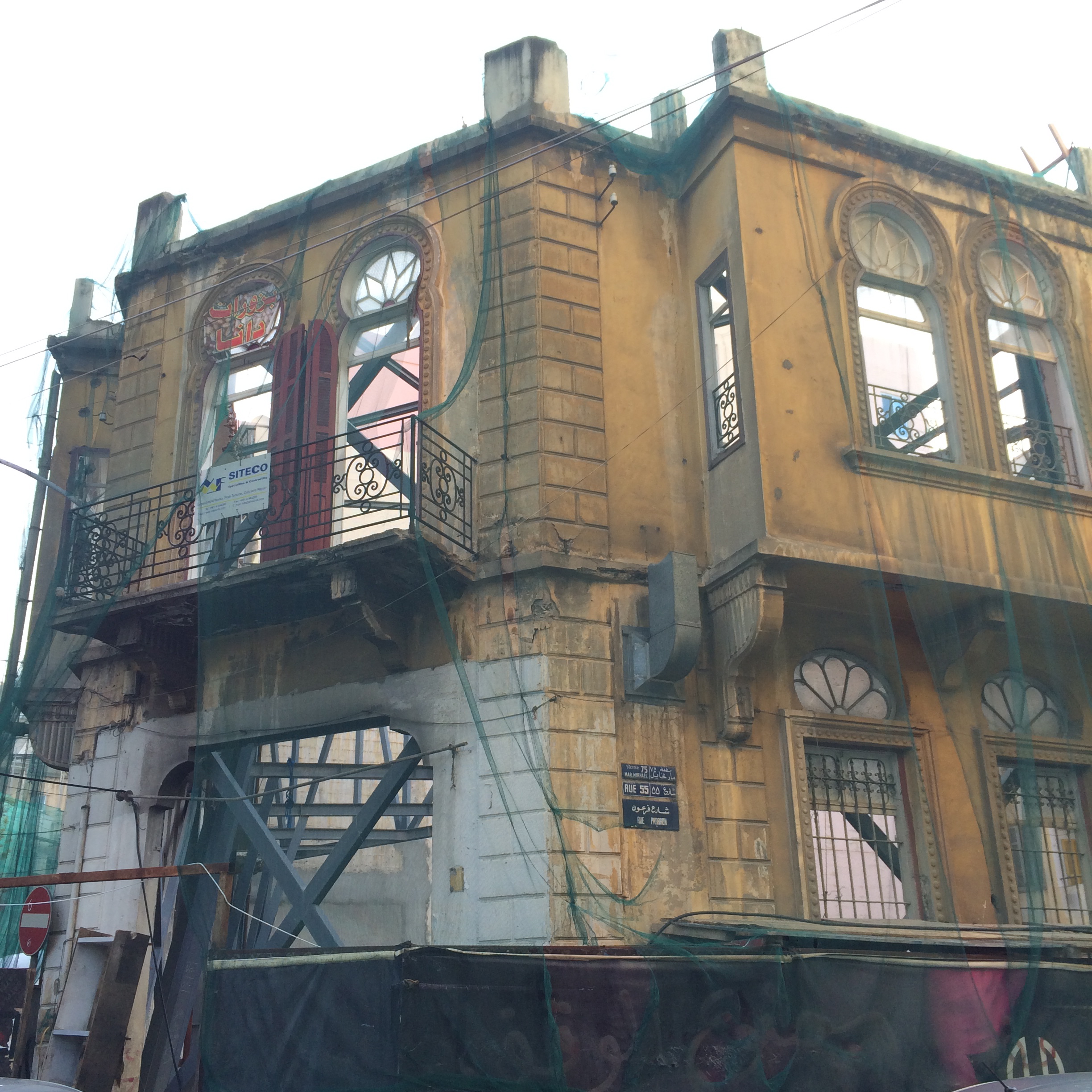
From EDL walking toward the rest of MK, there is a new geometric modern building with a green wall on one side, home to Gallery Tanit. This building is the only one that respects urban law because of the existence of a sidewalk. Most developments disregard this and it results in what I call “l’extinction du trottoir,” leaving us to navigate between parked cars hoping we’re not pummeled by a service driver. From this spot, you can see the three different forms of architecture found within MK: 60s, modern, and classic French. Across from this mammoth is an old house of two architectural styles conjoined with a common stairwell, a practice that shows there used to be consideration for economy of space.

IMG_1799_2

Tobbagi Gardens

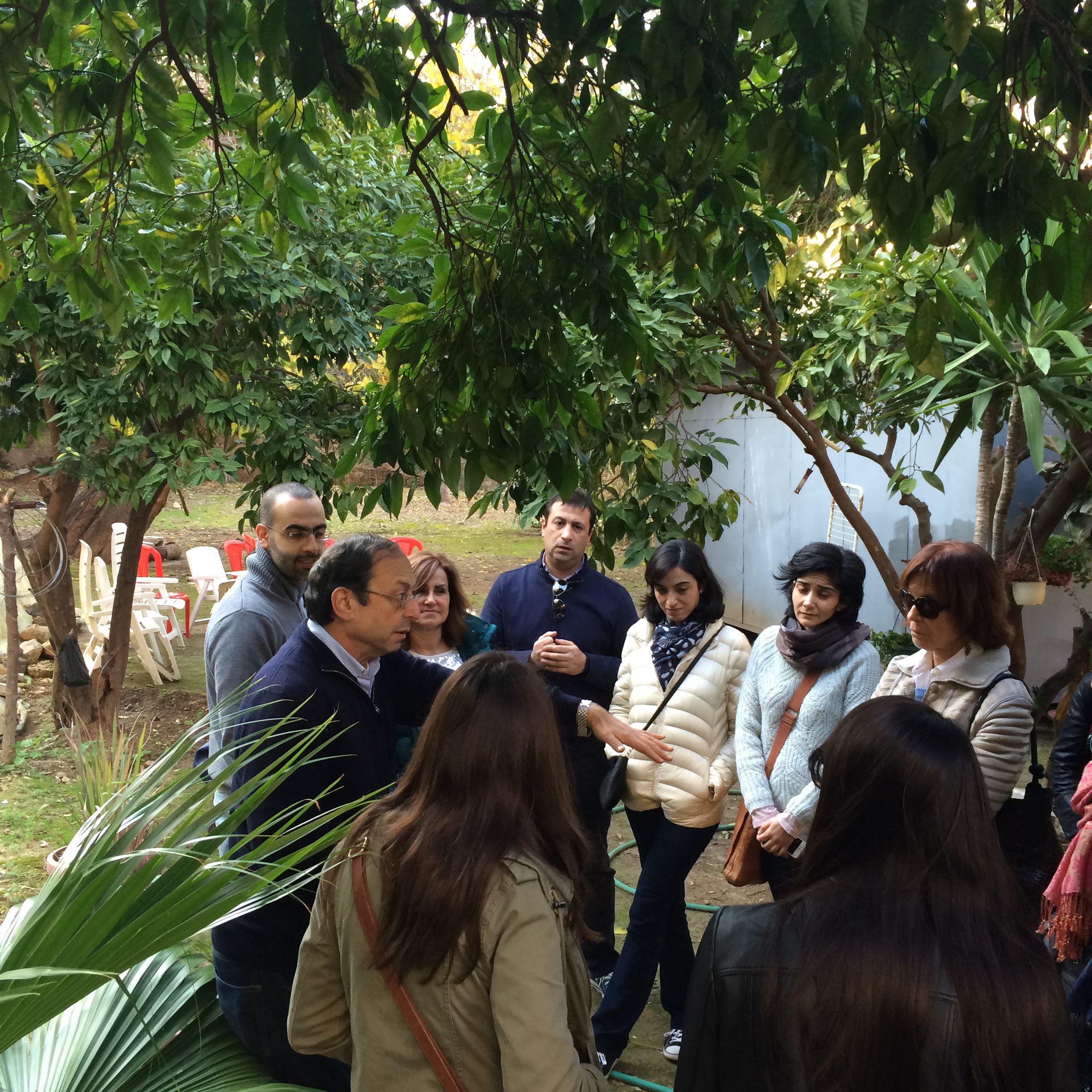
Behind these lovely old homes is the Tobbagi Gardens, a private space that is open to public visitors. It’s made up of terraces and planting areas and is the biggest green space in MK.
IMG_1806_2

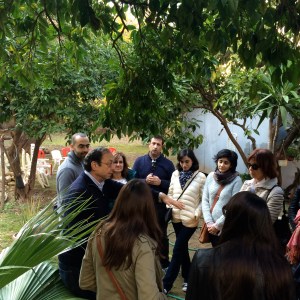
Mr. Tobbagi talks to us about the Fouad Boutros Highway Project

Sadly, the gardens are now at risk. If the Fouad Boutros Highway Project is implemented, the gardens will be destroyed; the neighboring building next to Mr. Tobbagi’s has already been expropriated. The only other green space in MK which is across the road has also been bought and will soon be gutted & developed. Besides the fact that these buildings are solid representations of our heritage but are being knocked down like stacks of Jenga pieces, the Project’s urban planning is outdated, inefficient, and unwanted to begin with. For now, the Project is on hold because of the local and international media coverage but no one knows how long that will last.
IMG_1849_2

Massad Stairs 

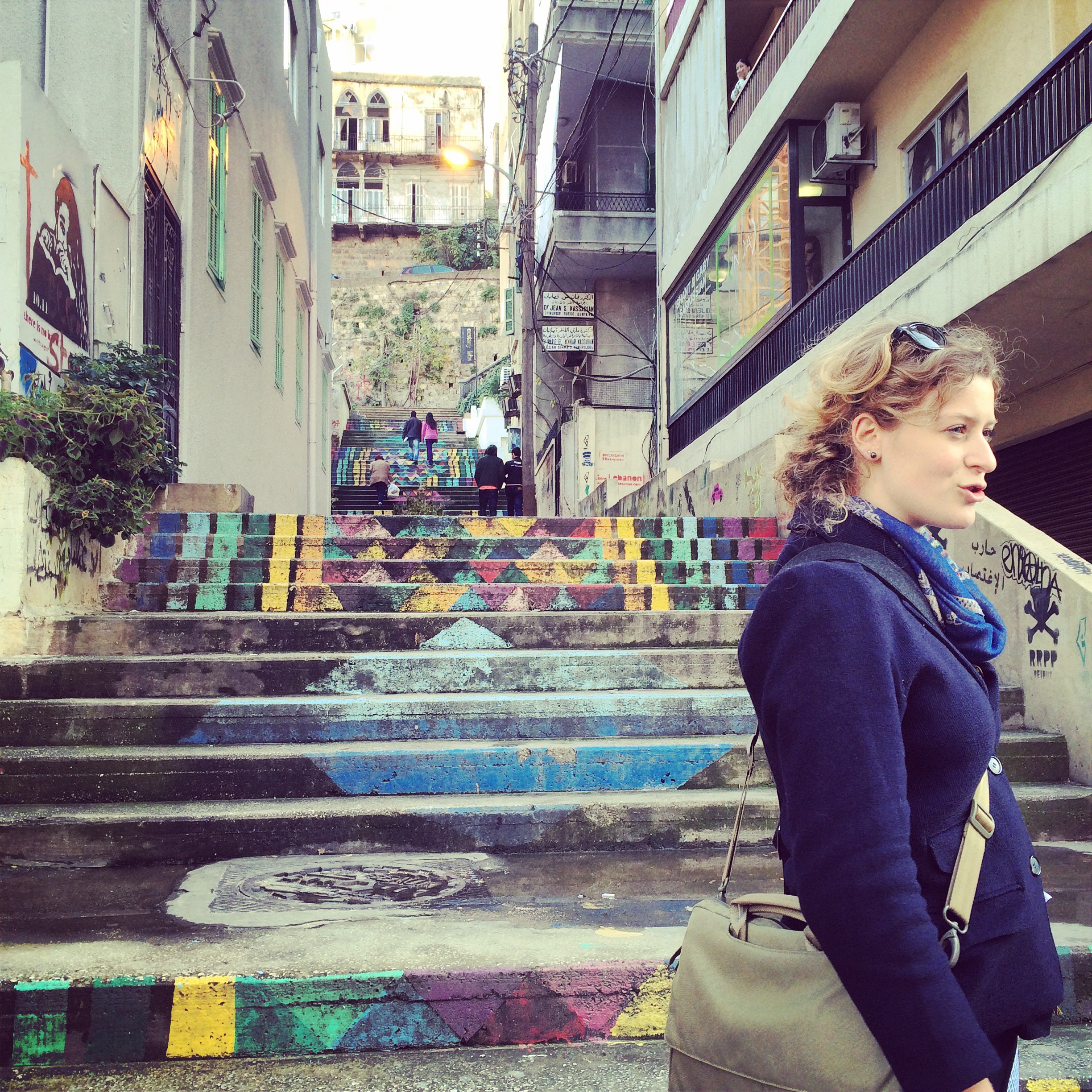
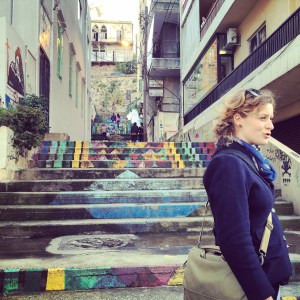
The walk continued to the colorful Massad stairs that were featured on Vogue.com the other day. This staircase, painted by the Dihzahyners a few years ago, are semi-private semi-public and the place where a Save Beirut Heritage sit-in was organized. I hate to say it but the stairs have undergone a lot of weathering since their first coat of paint. Besides being a site for activism and artistic expression, the stairs also serve to connect the residents of upper Ashrafieh with Mar Mikhael. For example, St. Georges Hospital employees and visitors can use it to jump into a bar for happy hour after a long week since the hospital sits up the street from the top of these stairs. Be careful at night though; sometimes there are punks chucking eggs at unsuspecting pedestrians below.
IMG_1839_2

Vanina

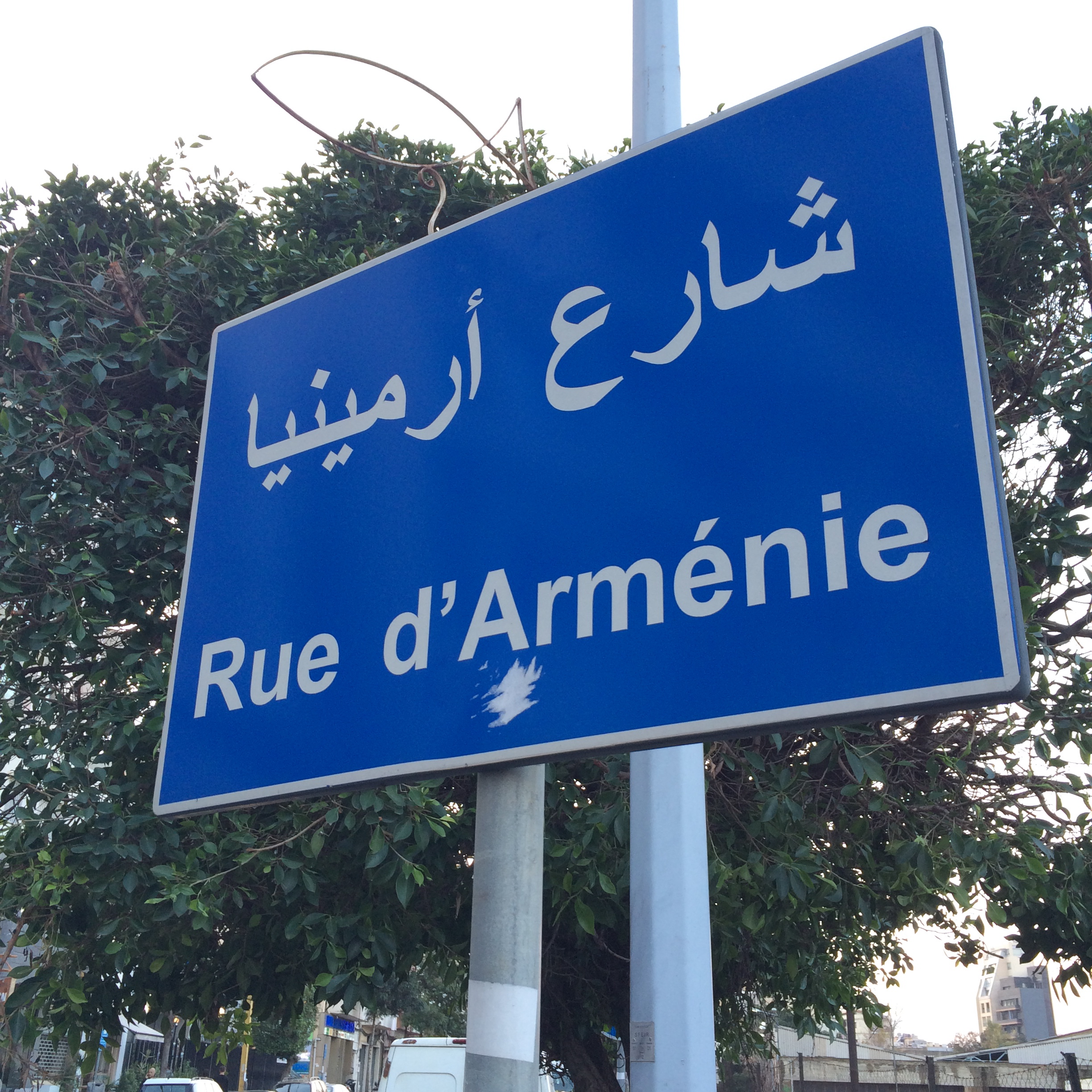
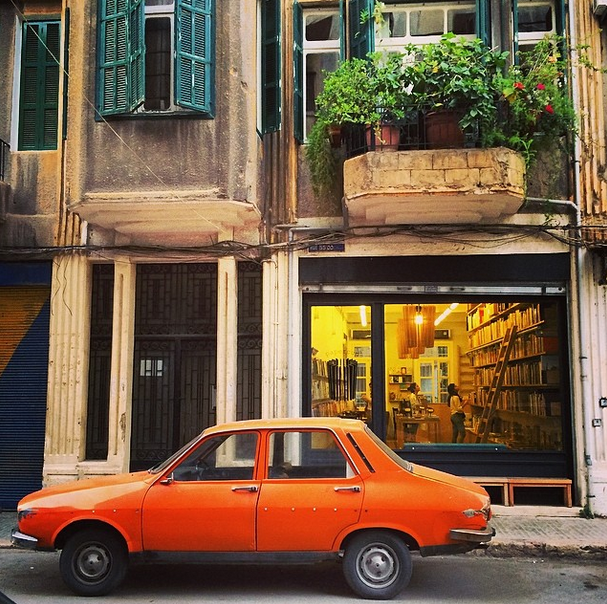
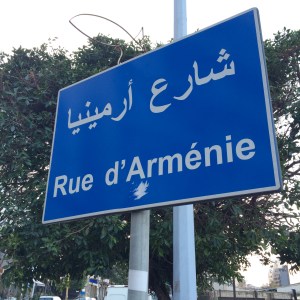
Mar Mikhael used to be a predominately Armenian neighborhood. In the 1920s, the Armenian population shifted over from Qarantina and still make up a big portion of the residents living there now. The area is in full gentrification with the arrival of the new generation who are transforming Mar Mikhael into a bustling creative hub. Of course, with them comes the gastropubs and boutiques that the artsy crowds with purchasing power attract.

The walking tour’s sole purpose was to show us that Mar Mikhael has different facets but it was originally a residential village. If you walk into the alleyway where Vanina has opened its first shop, you can continue into an open courtyard of neighbors that still live like the days of old MK. Some buildings have been restored (mainly to be home to new restaurants like Les Fenetres) but the majority of property owners find it easier to sell than to salvage and/or fight the developers. That, and it’s more profitable for them on a personal level.
IMG_1853_2

Pharaon St

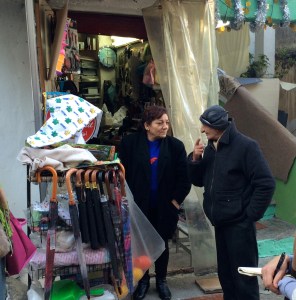
We popped out from the Les Fenetres entryway to walk down the Internazionale alley. Nasawiya’s old location is where In Mar Mikhael is having their Behind the Object exhibition till the 24th of this month. After making this quick stop, we walked down to Pharoan St. Don’t feel bad if you have no idea where this is because I didn’t know it had a name either. Pharaon St. is the street where PaperCup and Frosty’s Palace are. If you’ve ever been to Mar Mikhael, you probably know which street I’m referring to now. If not, you should check out both places. The owners are sisters. Have a coffee and grab a book then walk across the street to inhale a burger and milkshake.

This strip of shops and specialty bookstores make up the “creative cluster” where all owners have made a joint decision that no bars will open on the street there, keeping it quieter than the other crevices of the neighborhood. Next to Papercup is the Maroun Naccache Theatre, the first in Beirut and where they put on Moliere productions. The church on the same road is where the neighborhood got its name. The church was originally in Qarantina. The women felt uncomfortable by the presence of soldiers there so they relocated to its current location in 1855 and, like much of Beirut, it was destroyed then reconstructed several times to make it bigger. The last works date back to 1972 and it has been the main place for community congregation ever since.
IMG_1825_2

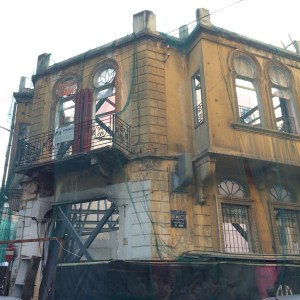
A facade leftover to be incorporated into a new tower

Train Station and Bus Warehouse

Mar Mikhael is also home to one of the main train stations that was used when we had a railway that ran along the coast to the north. Rather than create museums or public spaces out of relics that link back to our past, it seems we only know how to reinvent our dilapidated public transportation systems into nightlife venues. After the old train station of Mar Mikhael was used for multiple DJ events, it was morphed into a high-end bar by BO18 management. The abandoned bus graveyard/warehouse is Uberhaus’ station for their indoor electronic raves while Garten is closed until the summer.

Vendome Stairs

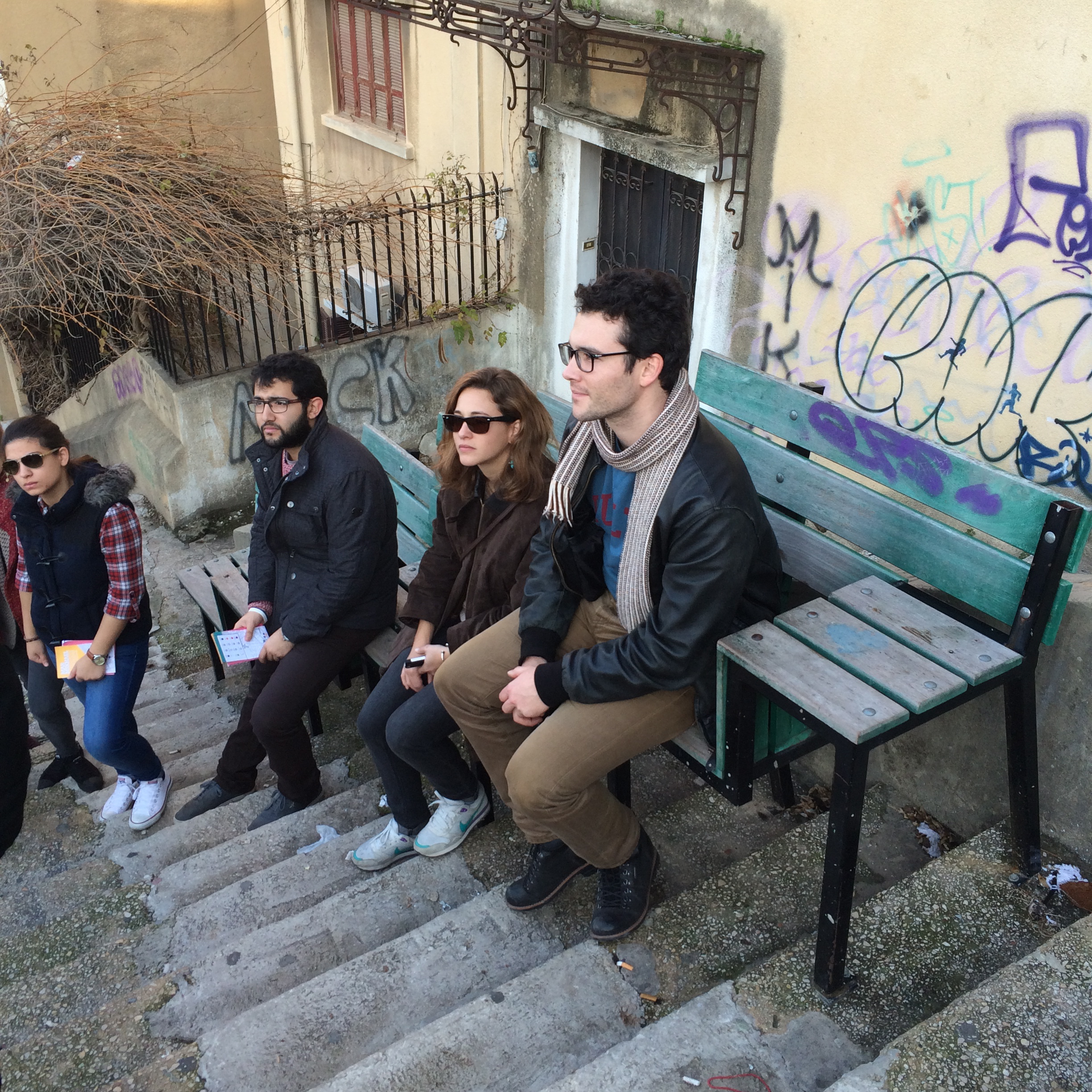
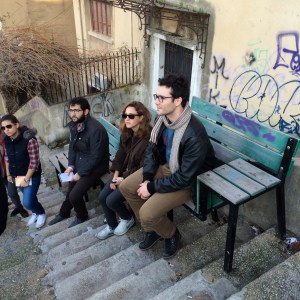
Collectif Kahraba’s Aurelien Zouki met us halfway up the Vendome Stairs to talk about Nahna wel Amar wel Jeeran, the yearly festival that happens there. With a name meaning “us, the moon, and the neighbors,” the festival is comprised of visual/musical performances and public interventions in a public space. Through this, they promote collaboration between different fields who join forces to create a neighborhood event. The collective sees itself as a theatre company that puts on free accessible cultural events that involve the residents of the neighborhood in the planning and whole production. For example, Nawal and Camille, two old neighbors on the Vendome Stairs, participate by composing songs and cooking food for the audience and host guests. Once, a puppet performance was done on the building rooftops; the puppets were based on the known neighborhood personalities like Nawal and Camille.
IMG_1832

Nawal and Camille

All these attempts at inserting cultural practice into our daily lives is at risk when homes are replaced by towers. The way the community interacts changes because they function like a village. Breaking this dynamic through modern urban development kills the human aspect of the community.

One intervention done is the bench found at the halfway point of the staircase. Designed by Christian Zahr, he saw that there was a need for a “break” on the way up the steep climb, especially for the elderly that live in the homes of this part of Ashrafieh. The bench that is built like a staircase itself pokes fun at the fact that there’s no public institution taking care of the residents’ needs or the public space of the city.
IMG_1827_2

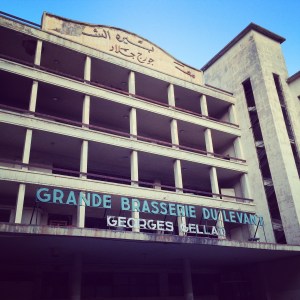
Grande Brasserie du Levant

Located on the Badawi half of the area, the Brasserie opened in the 1930s and was the oldest brewery in the Middle East. It was where Laziza Beer was made. The brasserie as “La Grande Brasserie du Levant” was closed in 1995 but an entrepreneur used it to produce a beverage at a later stage. With little success, it finally closed in 2003. There have been talks to transform it into lofts or a cultural center but no official decision has been made due to a dispute between the owners. This was where GAIA Heritage held an exhibition last July featuring the work of 15 creatives.
IMG_1855_2

Other MK Fun Facts

  •  The graffiti portrait done by Phat2 at the Mar Mikhael Gas Station is of his sister
  •  Internazionale was a garage between 1954-1970s
  • The army barracks facing the Grande Brasserie were built by the French
  • Brut l’atelier is an open workshop where you can go use their tools and workspace to collaborate and/or assist on handmade projects
  • Across from the Brasserie is a colorful staircase leading back up to an alley by the Vendome Stairs. There used to be a festival there every year until the organizer passed away.
IMG_1857_2

What’s In Mar Mikhael?

Screen shot 2015-01-13 at 12.43.30 AM

That’s not an existential question. Well, maybe. But not today.

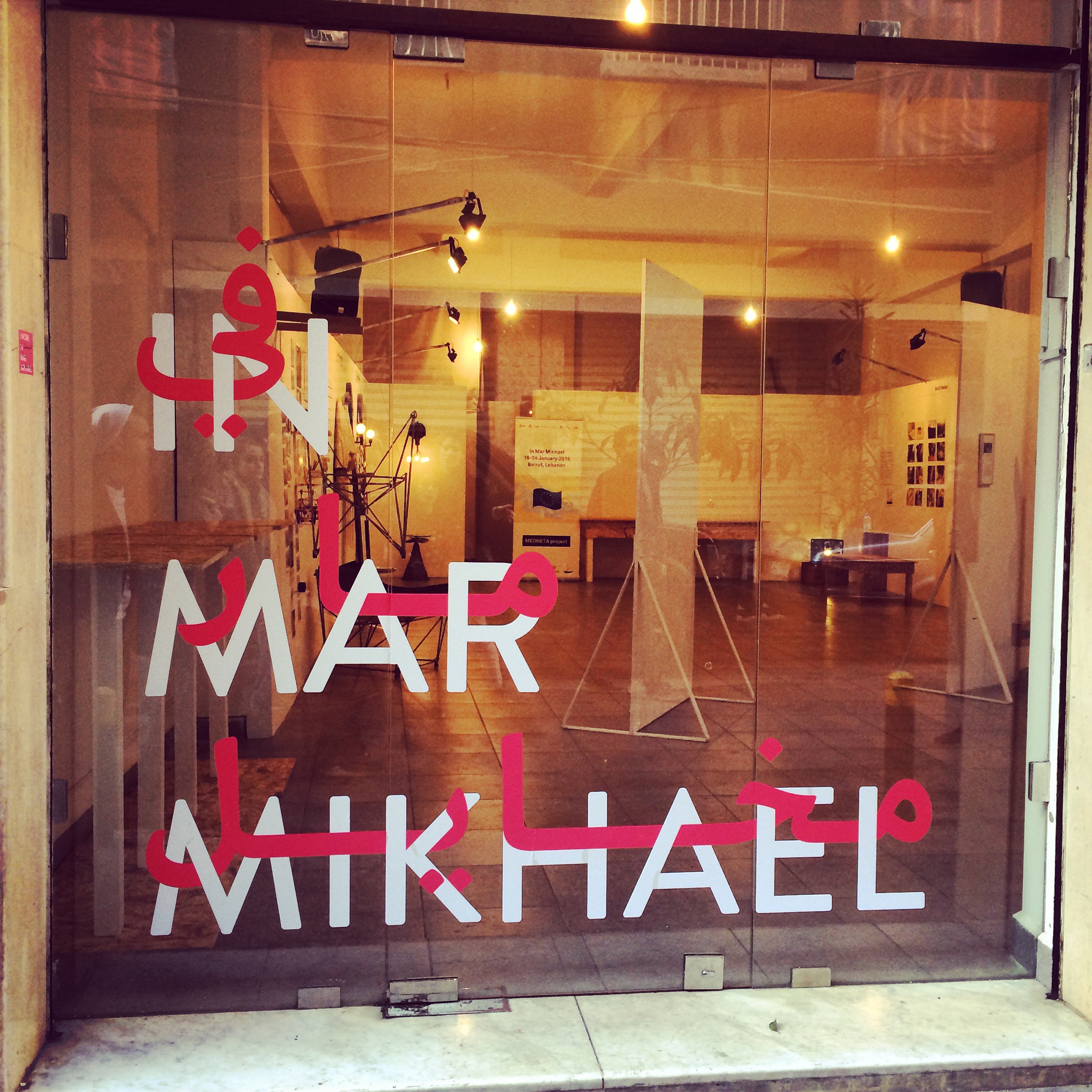
You may or may not have heard about the upcoming week-long event, IN MAR MIKHAEL, which will be held in Mar Mikhael (just in case the name wasn’t obvious enough). Elisabetta Pietrostefani, the Italian In Mar Mikhael project manager, and I had a chat over cappuccinos about her work with GAIA Heritage, the guys responsible for this week-long collection of exhibitions and workshops.

In Mar Mikhael is part of an EU-funded project (which is part of a larger regional program, MEDNETA) that involves 6 Euro-Mediterranean cities (Beirut, Hebron, Tunis, Florence, Valencia, and Athens).The partner in Beirut, GAIA Heritage, is a consultancy firm that applied for the project years ago through the European Union. The project focuses on urban regeneration through creative activity so the selection of the Mar Mikhael neighborhood as Beirut’s representation of a creative hub is not surprising. Each partner implements the project within their city in there own way and, together, they make up a network for exchange and collaboration between the 6 cities. The end of the project culminates in one giant traveling exhibition that would move from city to city. This exhibition would address issues that are common amongst all the partnering cities. The entire project lasts two years.

GAIA Heritage has been documenting the creative activity within Mar Mikhael since 2010. Their rough analysis was one of the first and was published in USJ’s Travaux et Jours. Since then, especially when the project was launched in January of 2014, they have really delved into MK’s development.

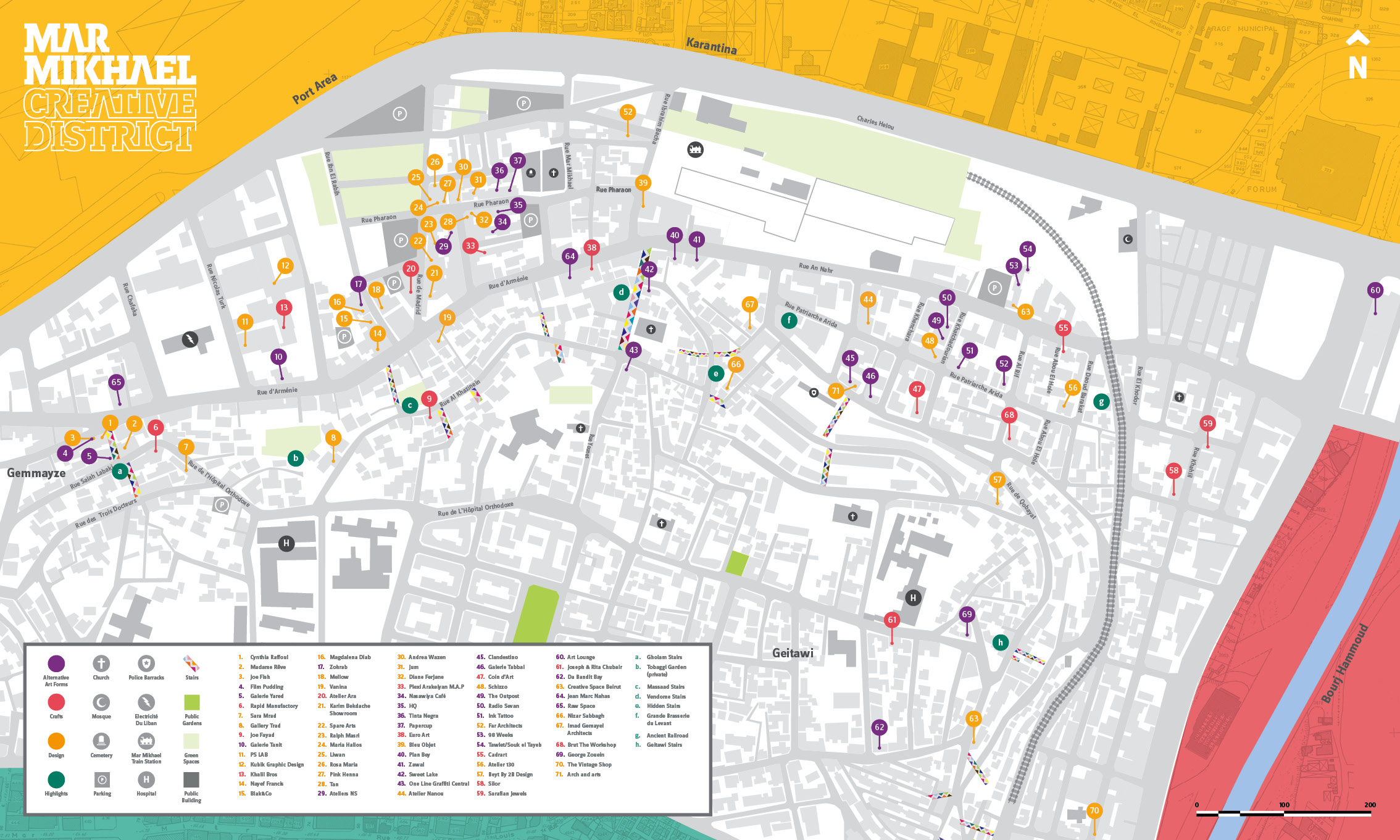
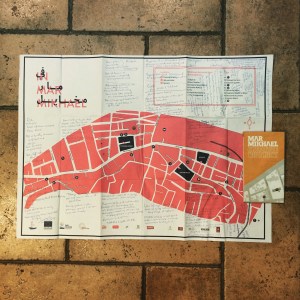
The first 4-5 months was purely research into what made up Mar Mikhael beginning with mapping out the different artsy bubbles that were popping up there. The issue with this was that these bubbles were never constant. As we all know, the only thing constant about Mar Mikhael is that it’s always in flux. You can go there every other day and still find a new boutique, bar, or bookstore that wasn’t there during your last visit – each with its own concept, decor, and extremely random name. GAIA Heritage’s map has come up with 71 as the number of creative activities going down in the neighborhood but I feel that this number may fluctuate by the time I finish typing this sentence. These activities are divided into alternative artforms (artists and their supporting industries), crafts, and design. Creating a printed map for a couple of streets that are home to short-lived businesses and experimental entrepreneurship can prove to be a challenge. How do you navigate in an ever changing city when no one knows street names and we all use relativity for addresses? You move the map online where it can be updated on-the-fly. The digital version of the map is still under construction.

969-1 Gaia _ 2014-10-20 _ Recto - Web

Parallel studies on the neighborhood were also conducted including a morphological study and how the place has evolved in the last few years, how its decayed, why it’s more preserved than other neighborhoods in Beirut, and whether or not it would stay that way. A socio-economic study focused on the real-estate level, mainly the issue of a clash of generations: the old generation that’s been there for decades and the younger generation who recently moved in. With the possibility of the new rent-law being implemented, half of the residents there will not be able to afford to stay.

Their first conference in July held at Grande Brasserie du Levant addressed the different sides of Mar Mikhael: the lack of public space and the arrival of nightlife to a residential area. Right now, there are designers opening ateliers, specialty stores mushrooming in every alley, and studios setting up shop in the old high-ceiling buildings. However, with the cool artsy crowd came the thriving restaurant population and pub culture that litters the sidewalks with Almaza bottles and cigarette butts, creates traffic and noise, etc. Along with the characteristic of being in constant flux comes the question: how long will Mar Mikhael be the hotspot for the creative and the young? Will the crowd migrate to a new neighborhood like it did when it left Gemmayzeh and Monot?

From this conference, a plan was established for the next activities to be tackled within the project. A physical one being an urban intervention within MK: either renovating one of the staircases in terms of functionality or turning an expropriated green space near EDL into a garden. Approvals for these initiatives are still pending.

In Mar Mikhael as an event has 4 parts:
• Exhibitons: Behind the Object, an exhibition revolving around the process that leads up to the final product, featuring 7 creatives from Mar Mikhael (Creative Space Beirut will be there!). It will be held in the space where Nasawiya used to be. Another exhibition running parallel will be for 3 architecture schools (ALBA, LAU, and AUB) featuring their studies and solutions for the Mar Mikhael neighborhood. That one will be held at Imad Gemayel Architects premises.
• Panels that focus on previously identified problems: public space regulation and rental law. Georges Zouain of GAIA Heritage will be moderating.
• Workshops: One solution-based closed workshop for the major stakeholders of Mar Mikhael to discuss the urban interventions mentioned above and to get feedback on other concerns. Another on-going workshop is for the youth of Mar Mikhael (mainly grandkids of current residents or MK church goers) who meet once a week to come up with a plan for MK with the Design for Change program (active in 30 countries). They will be implementing it for their neighborhood within the coming months, fingers crossed.
• Tours: the weekend has two Arabic/English walking tours of the neighborhood enveloping the history, creativity, and residential aspects, starting from EDL, going through the Tobaggi garden, creative cluster, and ending at Brut.

You can sign up for the workshops and tours here.

Elisabetta also brings up the issue of the people’s reluctance to collaborate which is why Toolbox is being pushed: the 3-day workshop that helps creatives figure out how to start a business by equipping them with the right tools and knowledge. Day 3 is when creatives have to team up to create a quick prototype and present their idea to a jury.

She says she “would hate to be one of those expats who sits in the EU and never sees any Lebanese and doesn’t really understand what happens on the ground.” With that said, she seems to have quite the grasp on how things go here and tells me that, “Lebanon is a complicated place where even if you put all the right cards on the table it doesn’t necessarily mean things are going to happen.” Luckily, this hard truth hasn’t discouraged their efforts. The team hopes that this event will make enough noise so that it will have an impact on the neighborhood itself. I hope so too.