Strip the City: Dubai Edition

Strip the City is a series on Discovery Science Channel that strips major cities down to their bare bones. It analyzes the infrastructure and unique urban planning that went into building such a destination by explaining the technology and architectural & civil engineering. I recently stumbled across the episode on Dubai and it was pretty impressive. For example, did you know that they relocated an entire coral reef…while keeping it underwater the whole time?

Watch the full episode below:

Bambi’s Boxes, Part VI

IMG_7236

New box found!

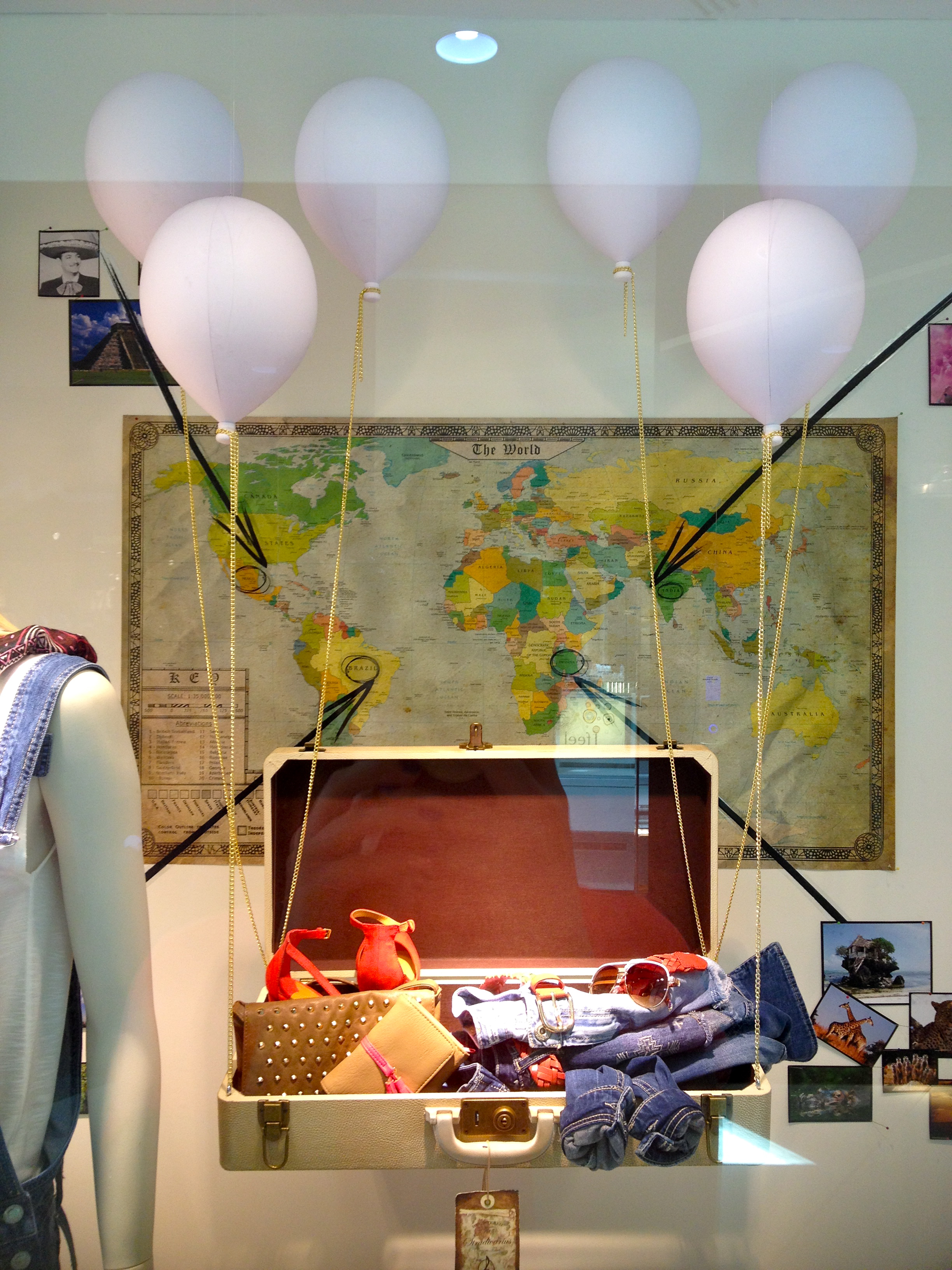
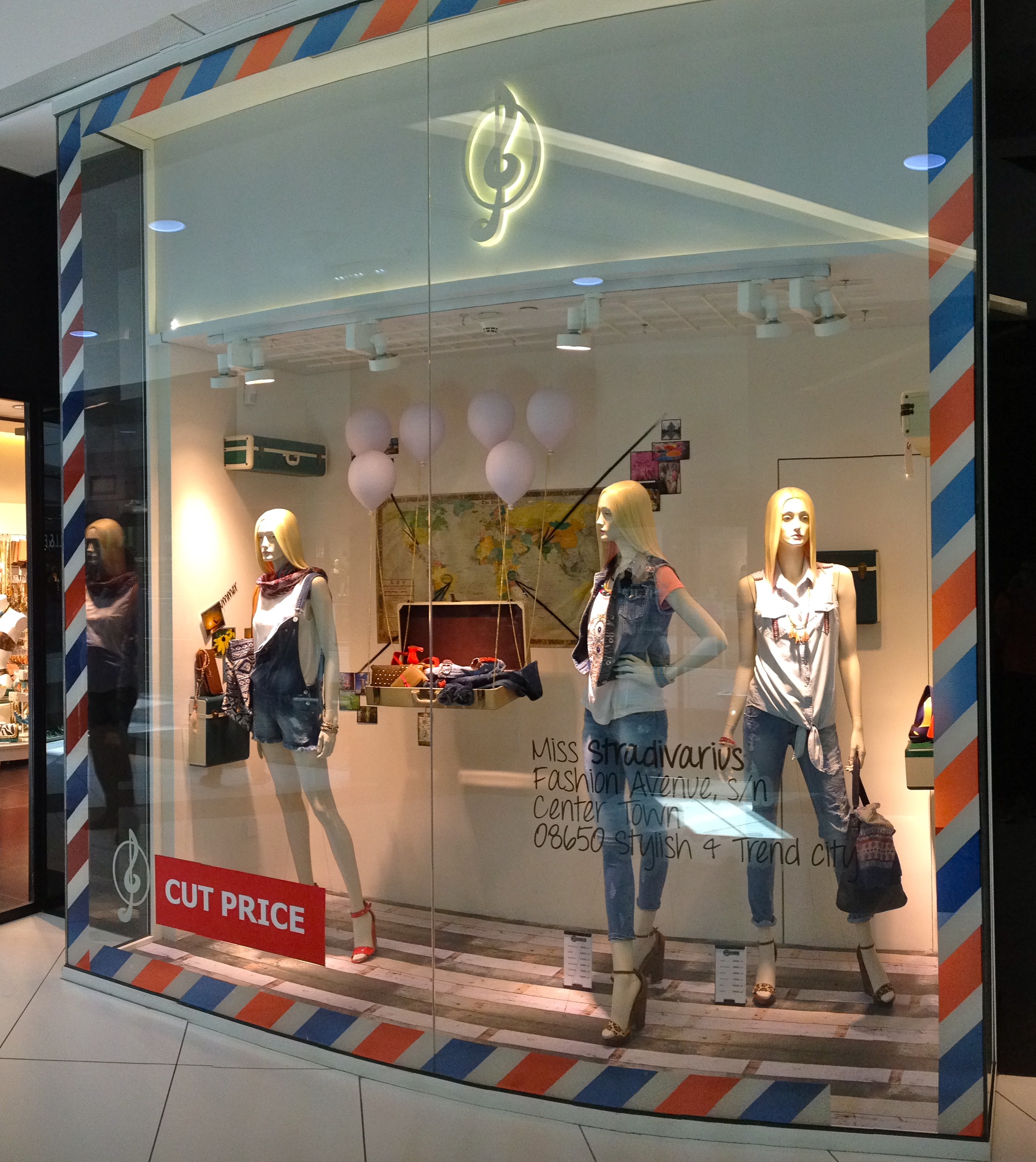
Location: Stradivarius, Le Mall Dbayeh

Concept: Air Mail framing of window with travel theme, suitcases held up by balloons with a vintage world map backdrop. It’s all very dreamy and whimsical – perfect for the upcoming summer season when everyone wants to pack their bags and get away.

IMG_7238

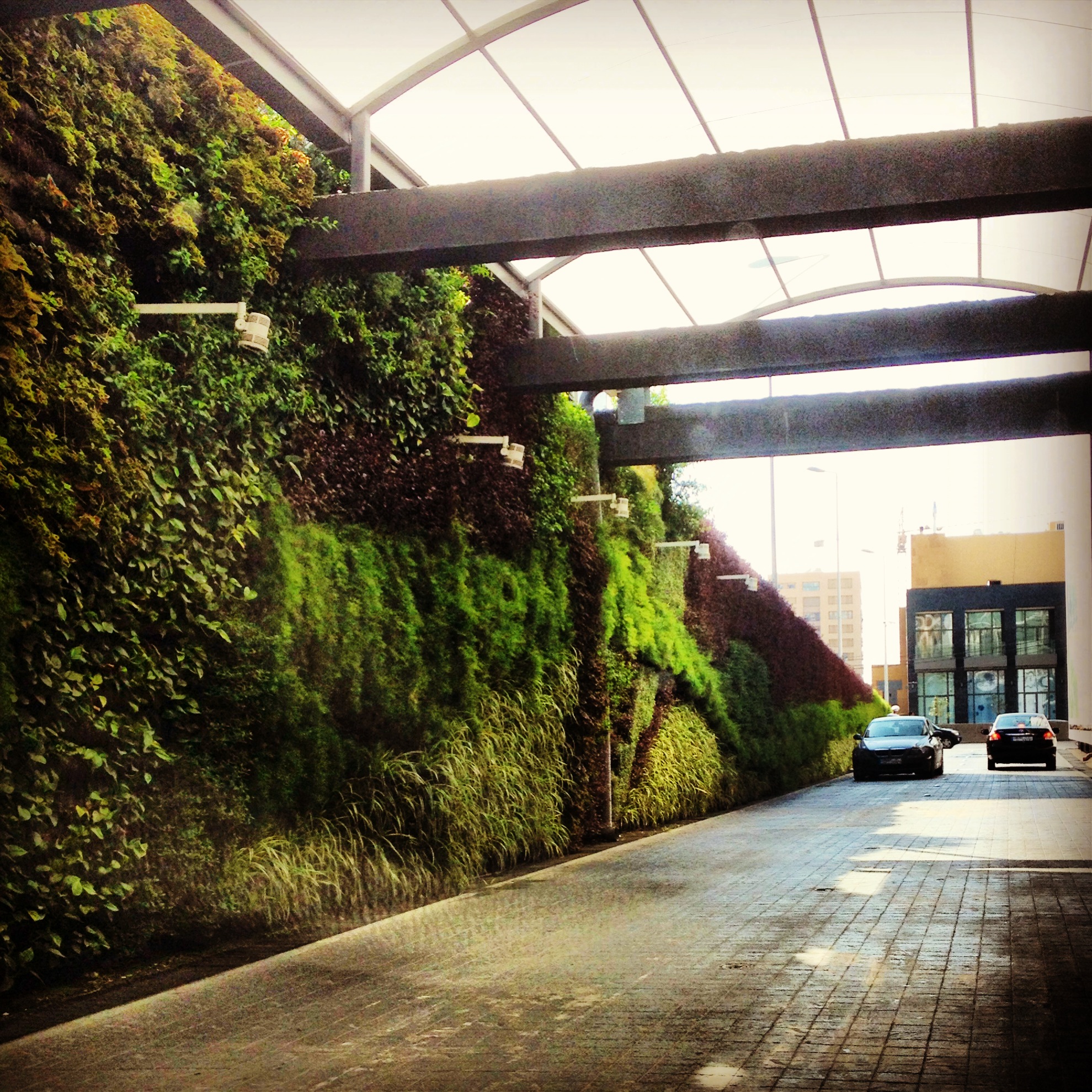
Le Mall Dbayeh is my new favorite mall because it has all the stores for good twenty-something shopping and some great restaurants too. The fact that the ceiling is all glass plates makes it well-lit on good days so you don’t miss out on the beautiful weather while still being indoors. Another plus: vertical gardens on the entrance to the parking lot:

IMG_7264

Bambi’s Boxes, Part V

Screen shot 2013-04-13 at 9.31.08 PM

There’s always something to see in Hamra

I haven’t done one of these in a while because 1) there wasn’t anything that particularly caught my eye and 2) they don’t seem to be very popular with readers. Plus, it seems that there is always a tie between the two big display-design experts: Aizone’s Sagmeister/Walsh & the great Louis Vuitton windows and I wanted to feature something else for the next one. So here we go:

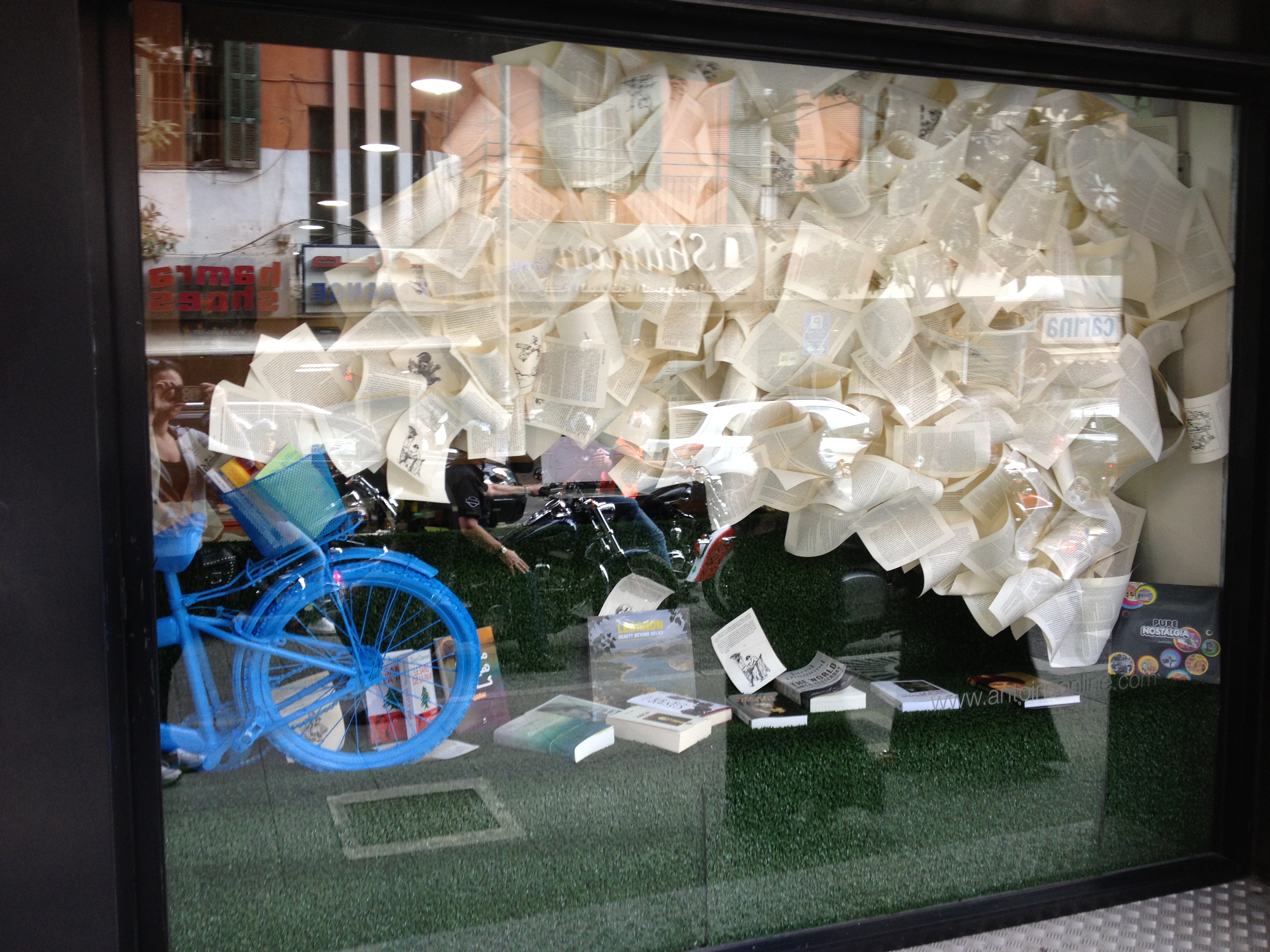
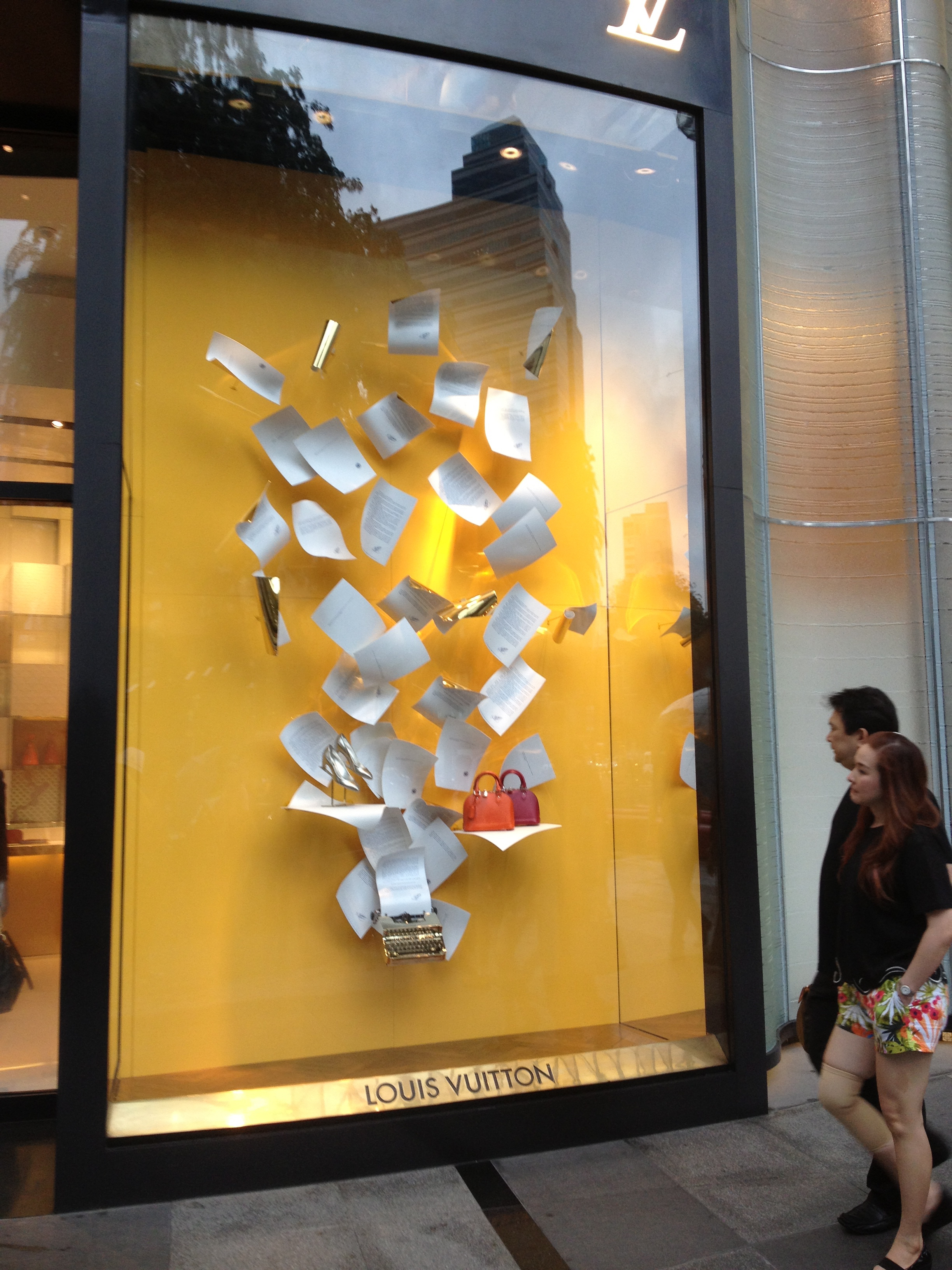
This Box was found today while wandering in Hamra. It features a little member of society: Librairie Antoine. Very similar to the Louis Vuitton flying papers of this season (I’m sorry but I can’t help but praise them – even in Singapore, I’d stop and admire each display even though they were all identical). Back to the point. Librairie Antoine has a small bicycle featuring a crazy cascade of book pages flying all over the span of the vitrine. You should stop by just to take a look and read some of the pages.

IMG_7206

Sorry, not the best shot with all that reflection (all the more reason to go see it!)

IMG_6060

Louis Vuitton, Singapore


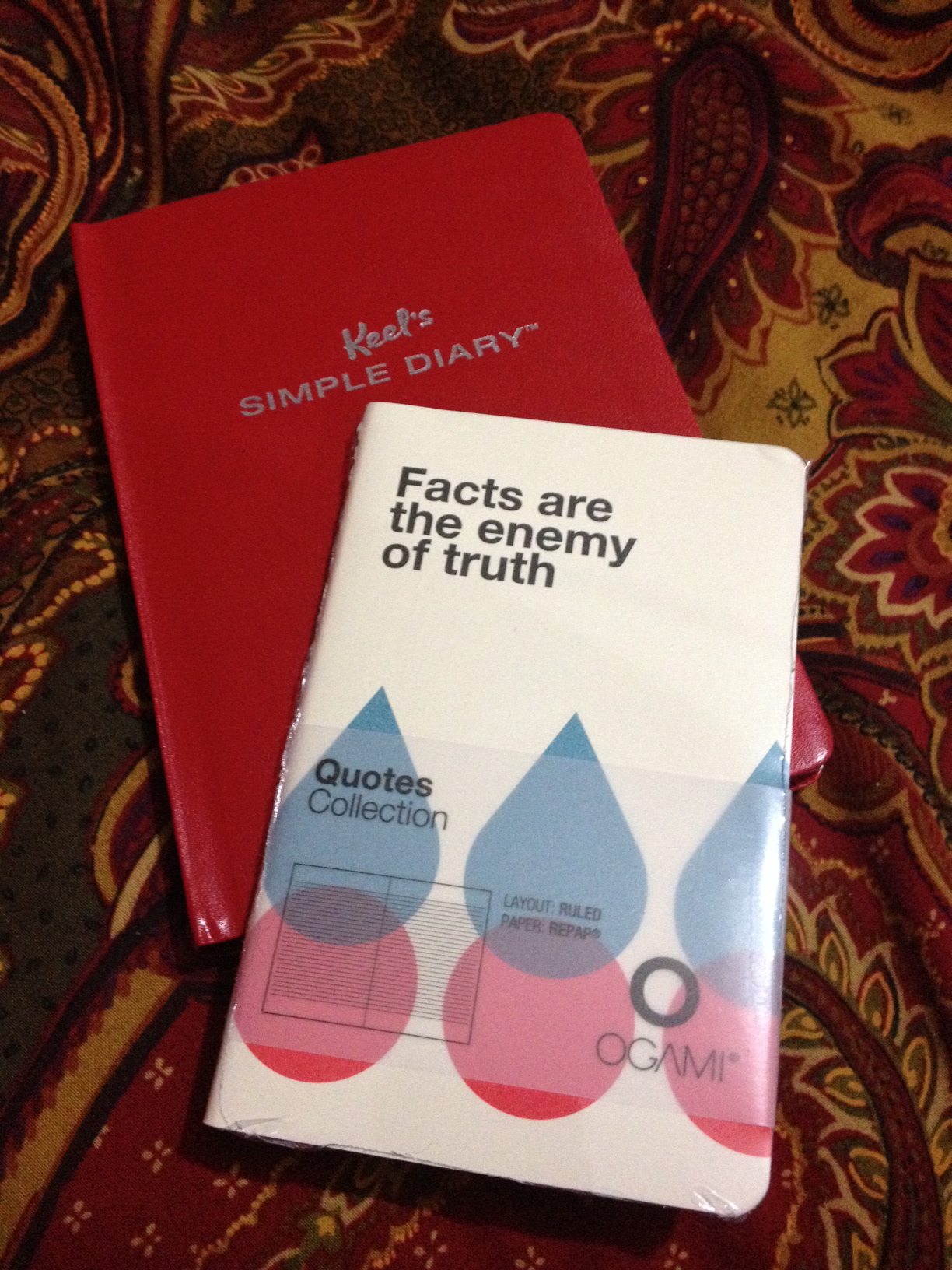
Besides this, there’s a new selection of notebooks available: the OGAMI Collection. As said on the label:

“OGAMI uses Repap in all the products lines. Repap is made up of 80% calcium carbonate (CaC03) and a small percentage, 20%, from non-toxic resins (high-density polyethylene). The calcium carbonate present in Repap comes from the limestone recovered from caves and used in creating Repap, a resistant and durable, as well as a waterproof paper. A paper that is also soft, smooth, bright white.”

Their tagline is “Paper made from Stone.” Best part is they’re not that expensive. A small mini notebook for your purse costs 9,000 L.L. ($6) and an A5-sized one is 13,500 L.L. ($9). A5 is half the size of your regular printer paper. As a friend said, “writing on this paper is magical, everything looks better.” Yes, she is a designer too. Check out their website here.

photo-8

My mini OGAMI notebook & Keel’s Simple Diary

The Booby Font

_MG_1308

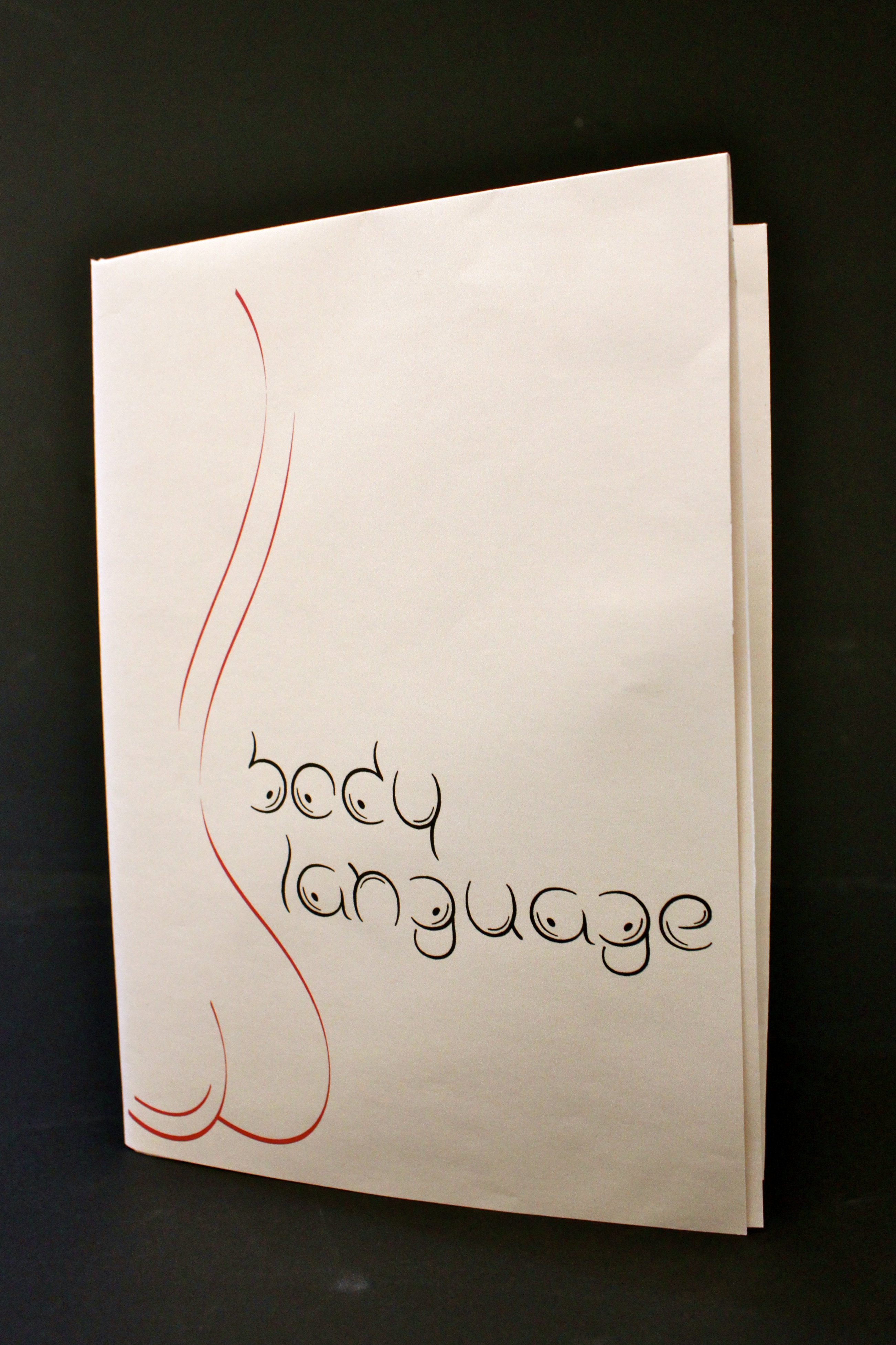
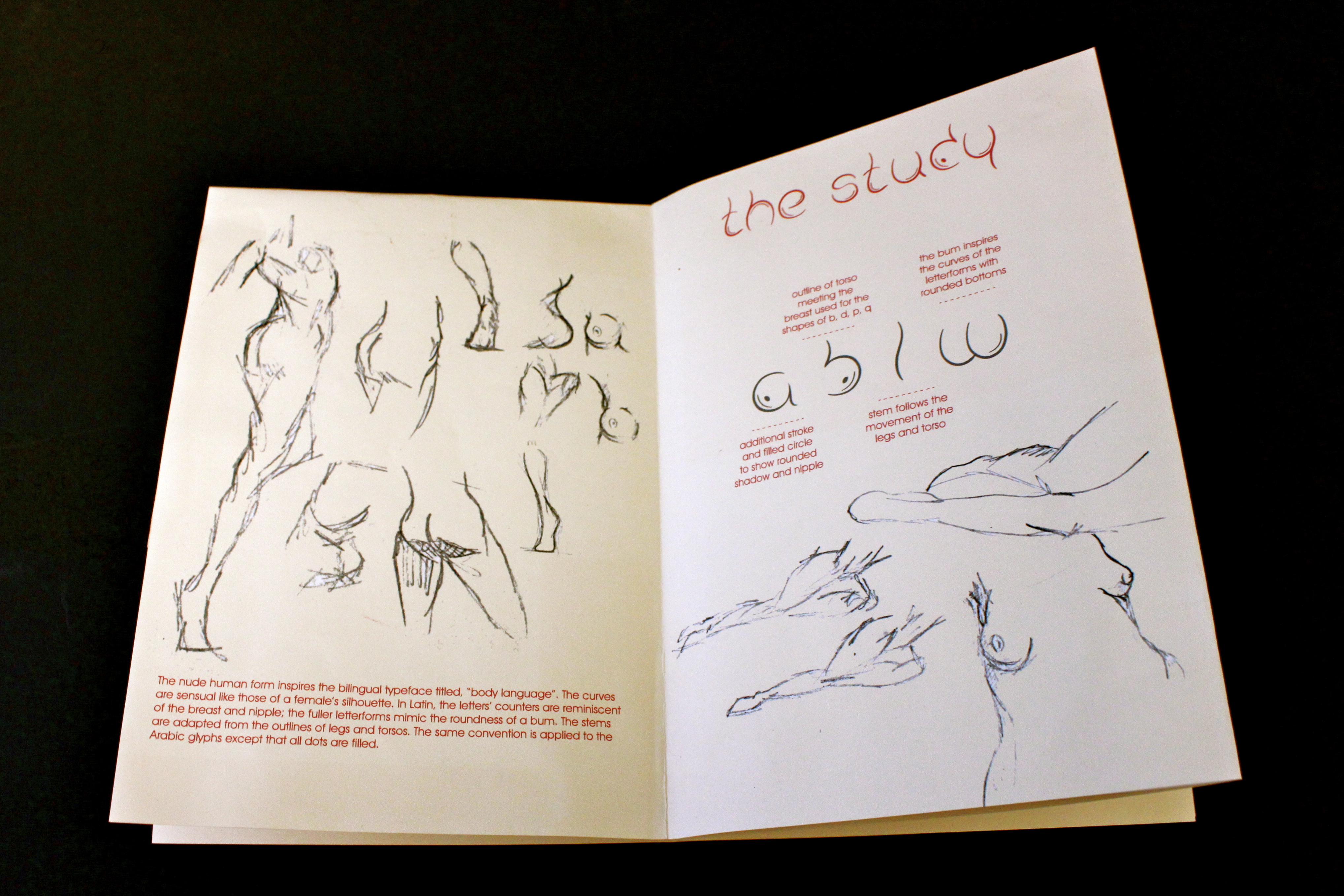
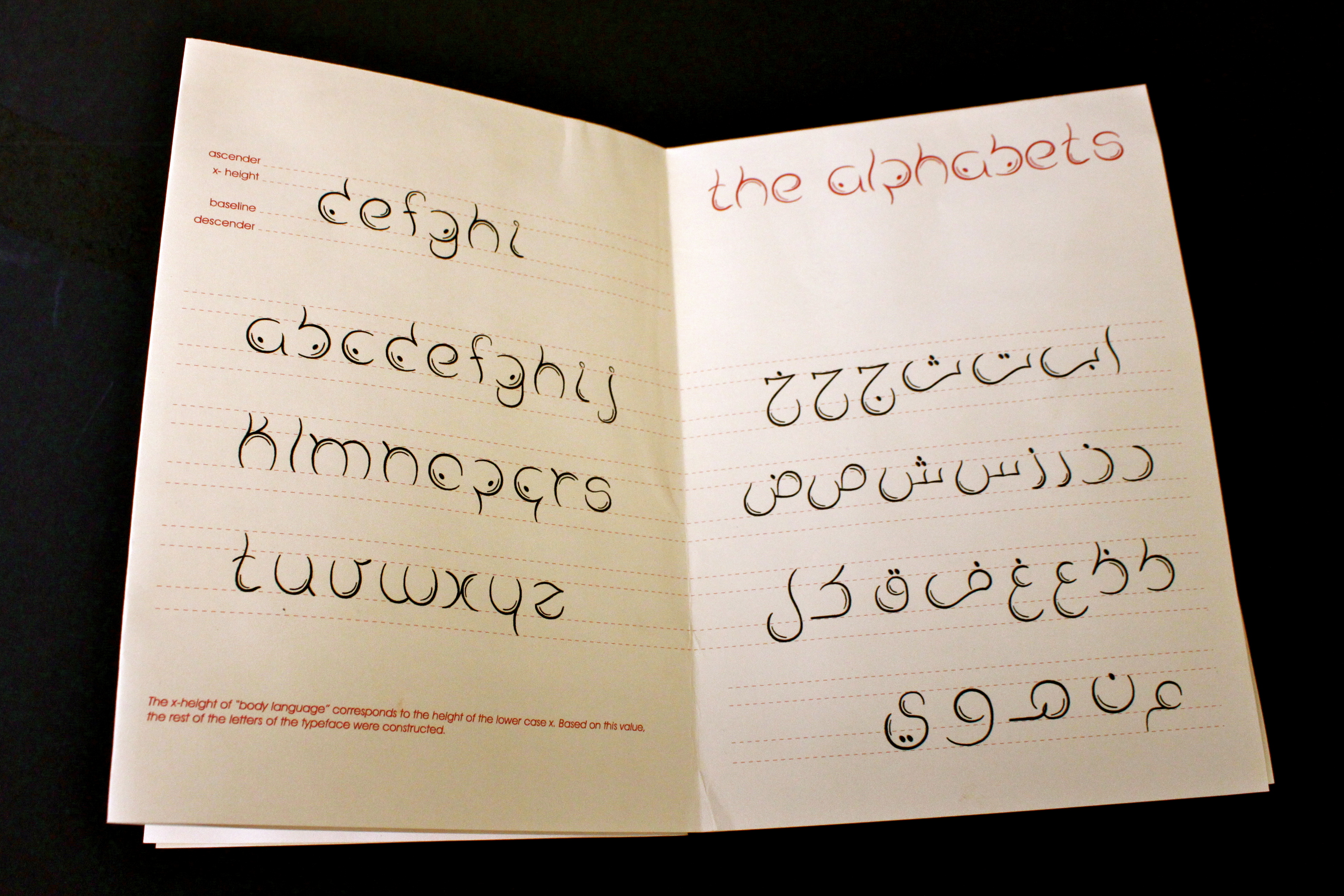
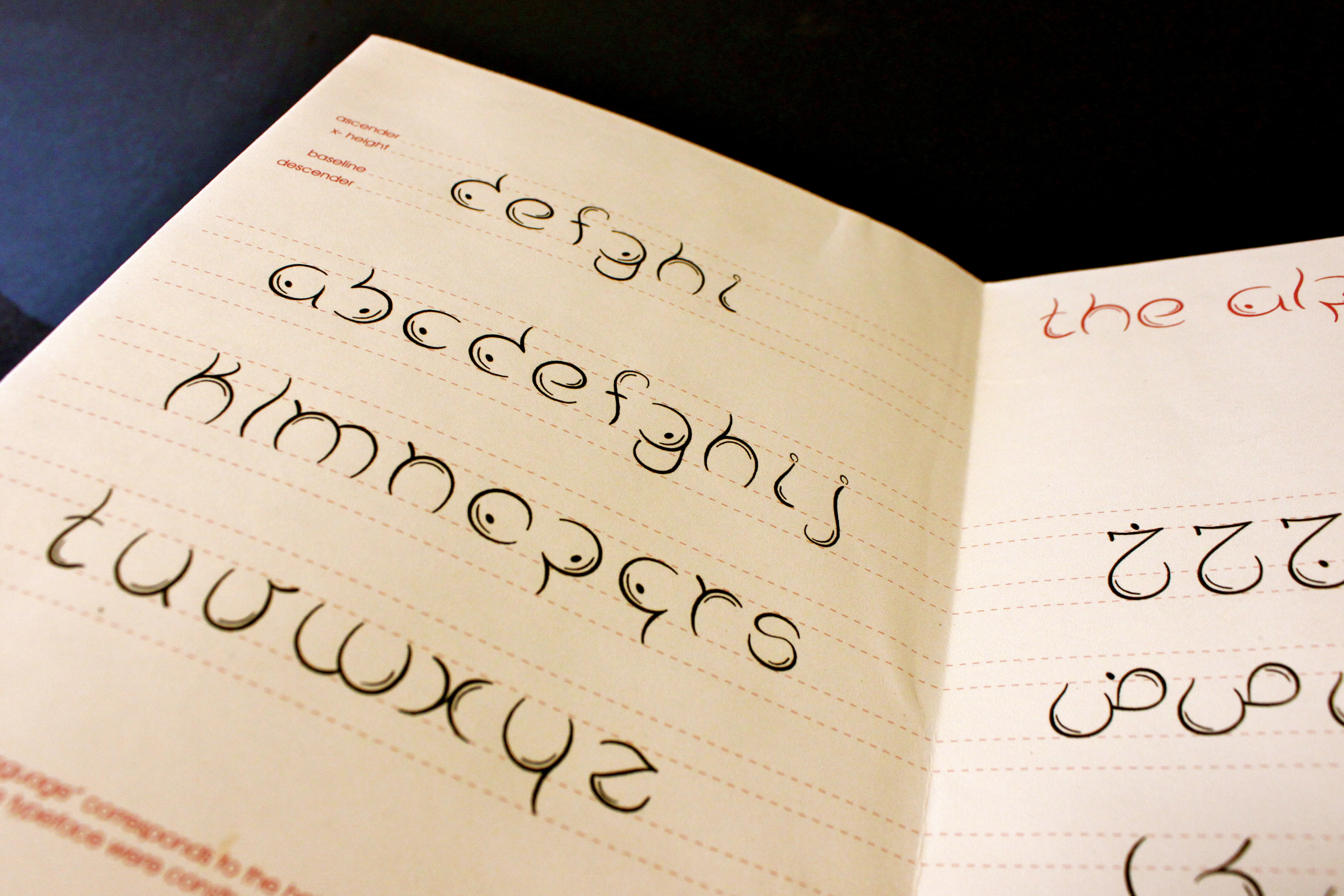
This week, I read about a newly designed font based on a female silhouette on glass. Oddly enough, the typeface I designed last semester is called “Body Language”- aka “the booby font.” I had wanted to pursue a similar feat to the one in the article but could not figure out how to do so (and the thought of going to that extreme didn’t occur to me), so I did it based on the outlines of a female’s body instead. It’s a bilingual typeface but only the Latin glyphs are functional as a font on the computer.

Below is the brochure; if you would like to download it for personal use, please let me know.

_MG_1302

_MG_1304

_MG_1306

10 Architectural Wonders in Singapore

DSC_0653

1. Marina Bay Sands Hotel
DSC_0432

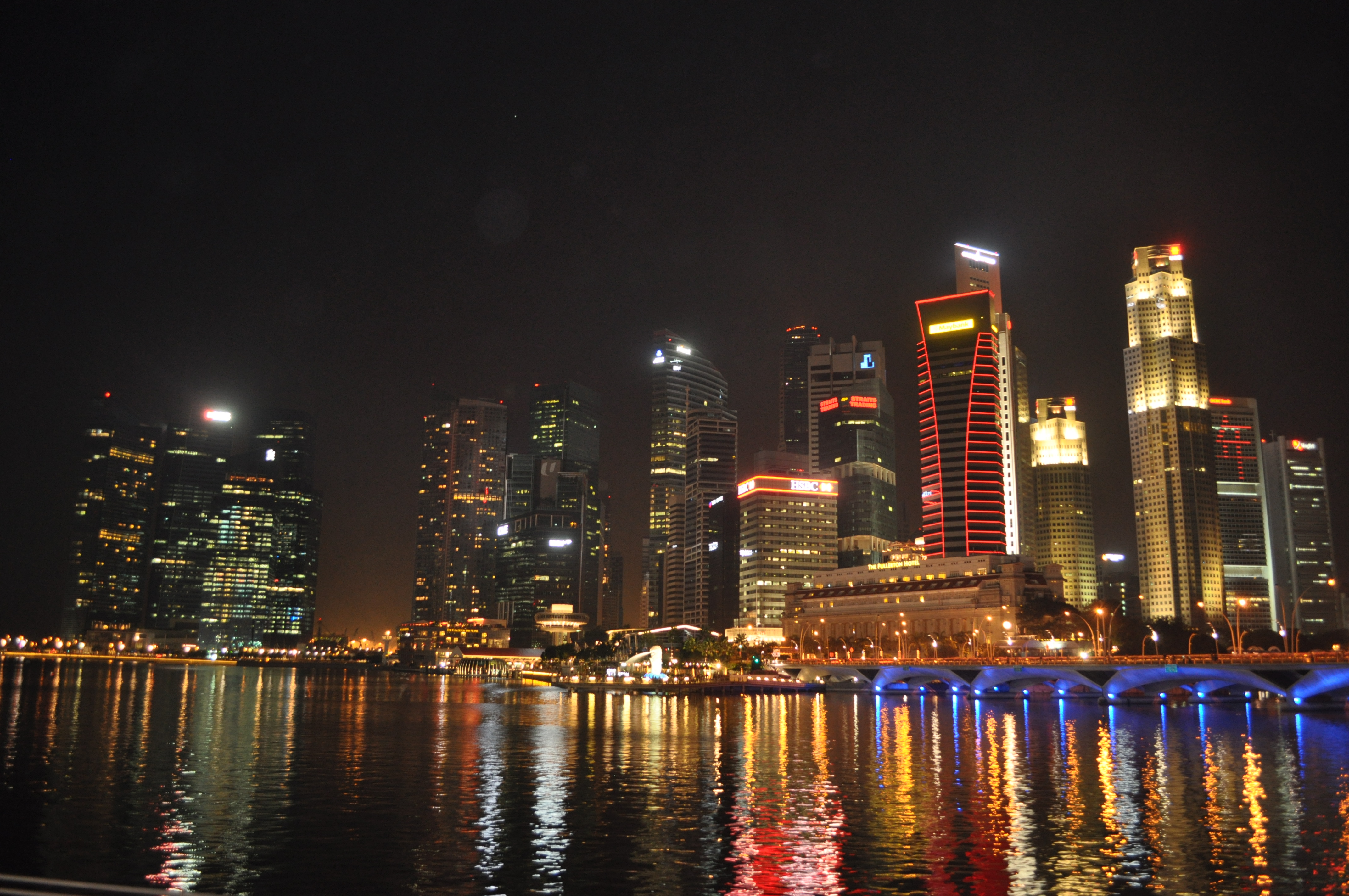
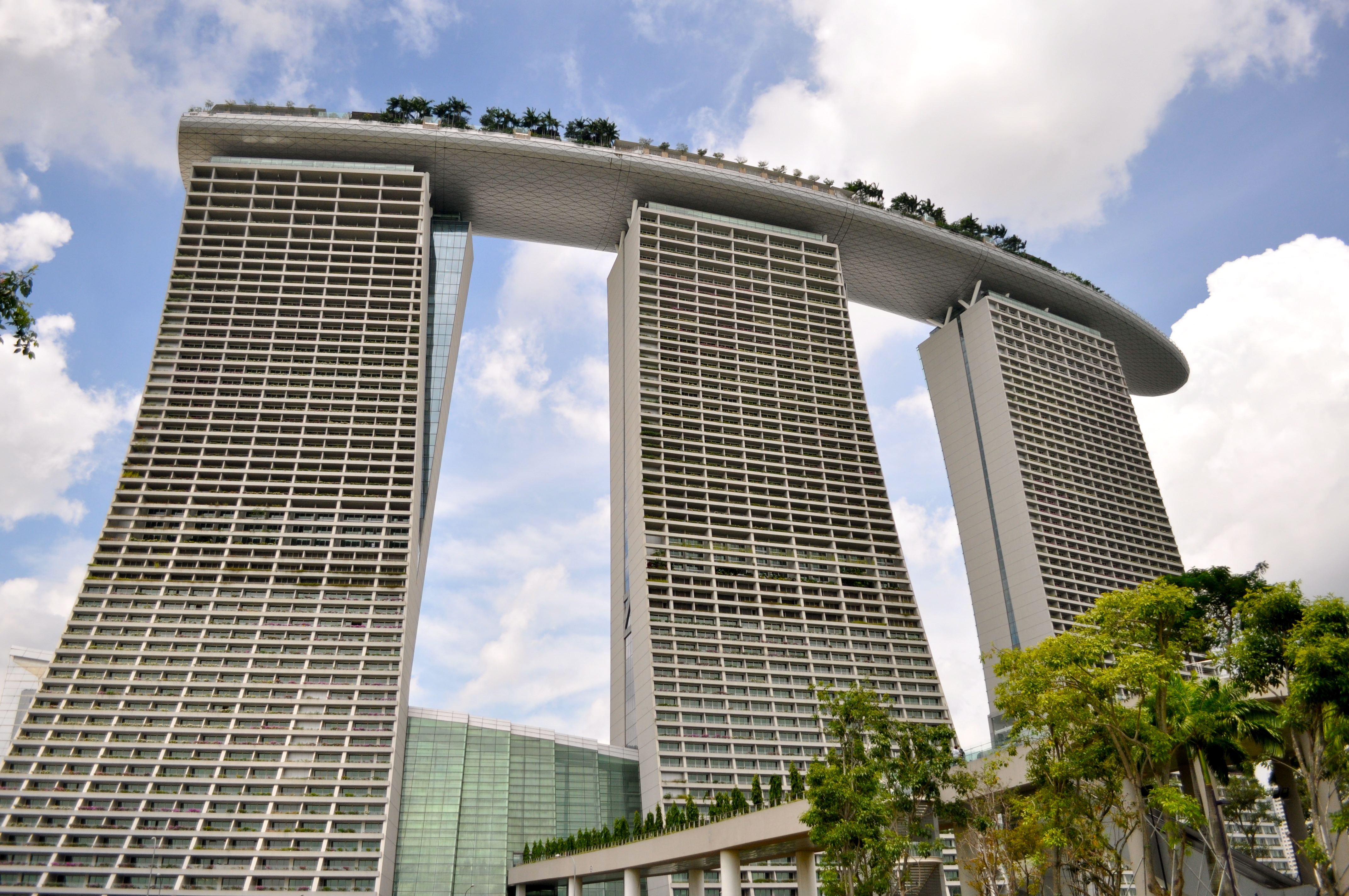
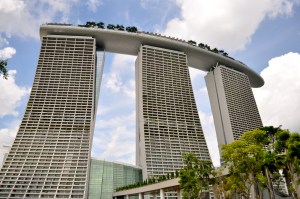
Possibly the biggest and most well-known chunk of the Singapore skyline, the Marina Bay Sands Hotel and Casino is made up of 3 towers with a giant boat-like structure joining them at the top (57th floor). On said floor, there’s an infinity pool overlooking the entire central district, a restaurant/chocolate bar, and the popular club, Ku De Ta. The ground level connects directly to the metro system and has it’s own shopping mall complete with gondola pond, skating rink, and food court. It’s the most expensive standalone casino property valued at $8 billion. It was designed by Israeli/Canadian architect, Moshe Safdie who says it’s design was inspired by card decks.

2. Helix Bridge

DSC_0272

Due to the fact that this bridge brings together science and design in one structure, it is one of my favorites. The helical bridge leads straight to the Marina Bay Sands Hotel and the Artscience Museum (how appropriate). Designed by Australian and Singaporean architects and engineers, it was opened in 2010. Although I didn’t get to see it up close when lit at night, I’ve read that it’s lit in alternating colors to represent the nitrogenous bases of the DNA double helix. Don’t you love the level of geek?

3. Esplanade
DSC_0235

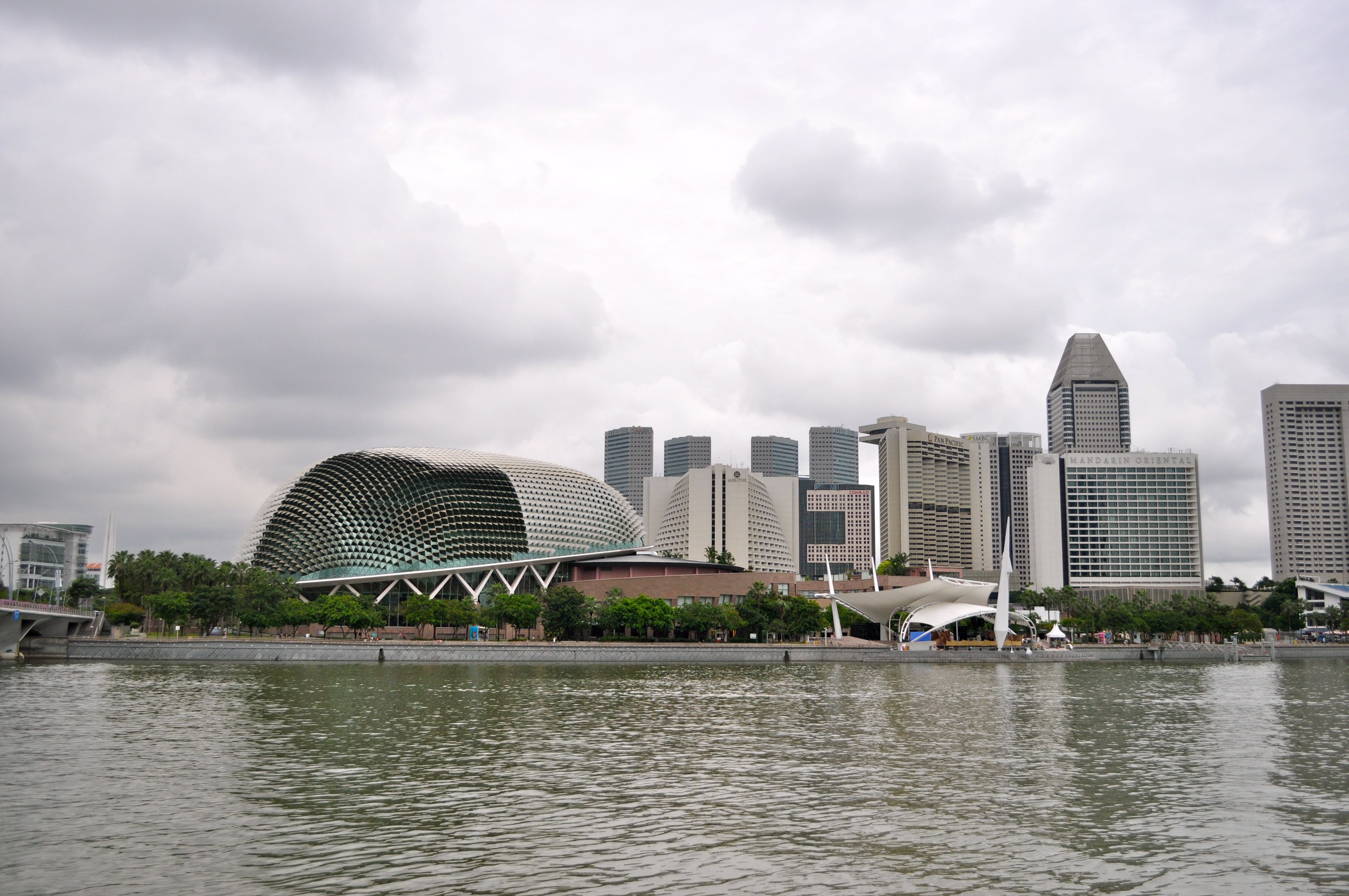
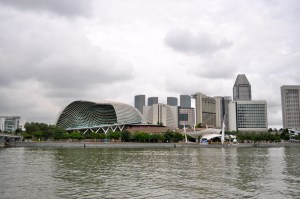
This center for theatre and the arts is located by the Bay and you can’t miss it because of one simple architectural detail: it looks like a huge durian. Now why anyone would want to design a building to look like the most vile smelling fruit on the planet is beyond me but it’s probably because the spiky organic grenade appearance is funky when applied to a gigantic 3D space. The building opened its doors in 2002, has triangular panels applied to its exterior, and is lit up at night – and no, it doesn’t smell.

4. Artscience Museum

DSC_0270

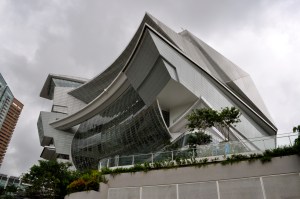
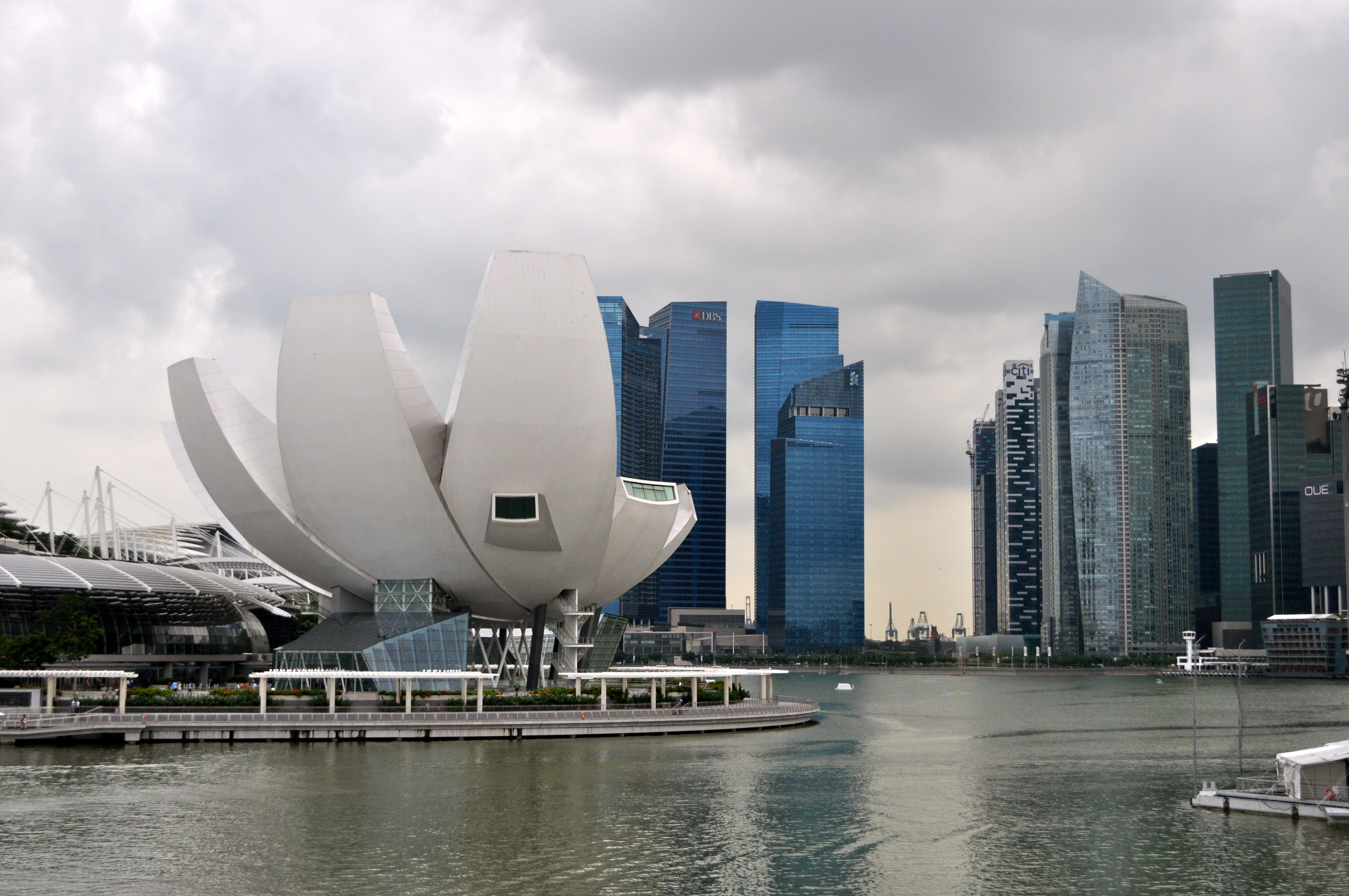
Also designed by Moshe Safdie, the museum’s shape is a blossoming lotus flower. It has 21 gallery spaces and usually hosts exhibitions that are shown at museums around the world. This February, they had the “Art of the Brick” exhibition for NY-based Lebanese artist, Nathan Sawaya. He builds sculptures using Lego pieces. There was also a photography exhibition that had a disposable camera under glass as if it were something sacred from the past. It seemed ridiculous but that didn’t stop me from feeling older than Maggie Smith.

5. Louis Vuitton by the Bay
DSC_0284

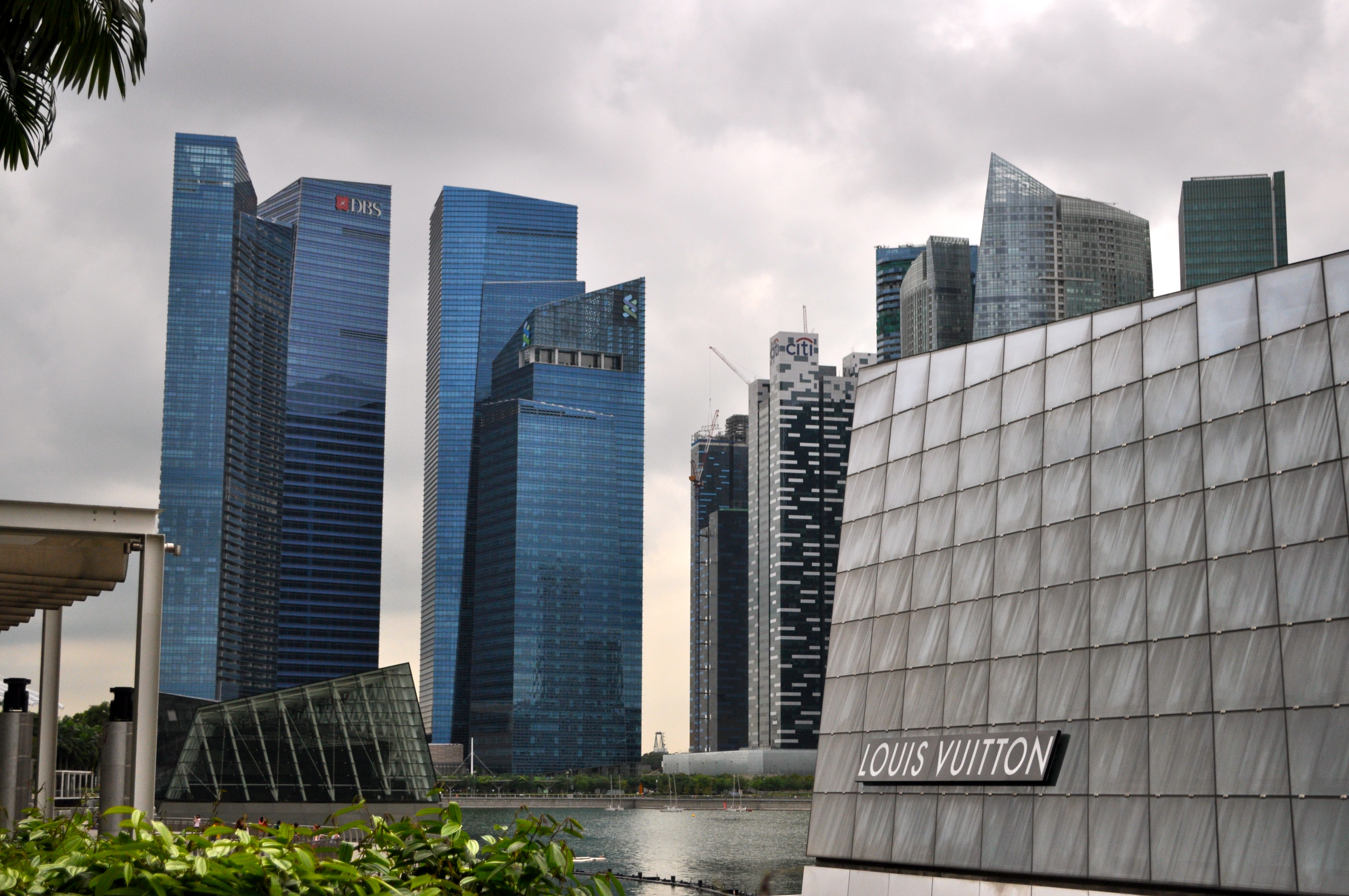
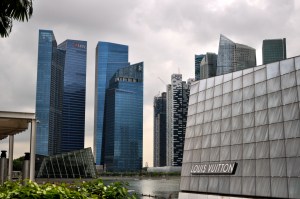
The LV Island Maison is a glass pavilion that sits on the water surface right outside the MBS hotel. The store has a nautical theme and resembles the Avalon, a club not too far down the strip that has a similar geometric glass box shape. It was a collaborative design by Moshe Safdie (again) and Peter Marino. The glass panels are fit with UV-resistant membranes so that the luxury goods inside are not affected. My picture doesn’t do it justice so watch this to see/learn more.

6. Ion Shopping Center

IMG_6314

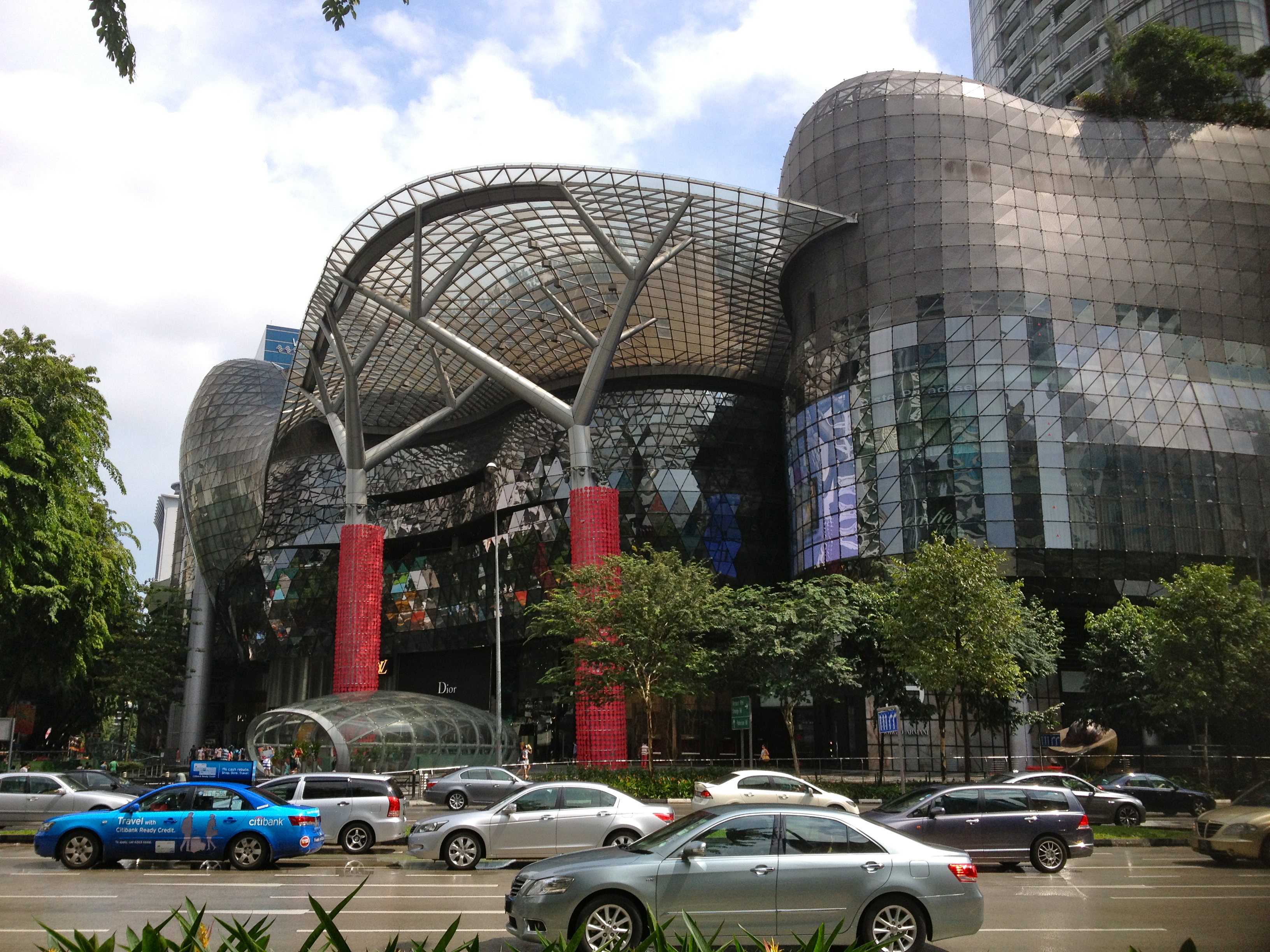
Being one of many underground shopping malls located on Orchard Road, Ion was the first I went to – and the only one I kept going back to. It’s curvaceous glass exterior makes it seem quite other-worldly. Even the MRT station entrance (the bubble between the two red columns in the photo) looks like a teleportation system from Kubrick’s Space Odyssey. The first few floors, which are above ground, are high-end luxury retail shops. Those below are the more pocket-friendly. It’s sort of like the Titanic, the lower you go, the cheaper it is.

7. Colonial Buildings & HBDs

DSC_0569

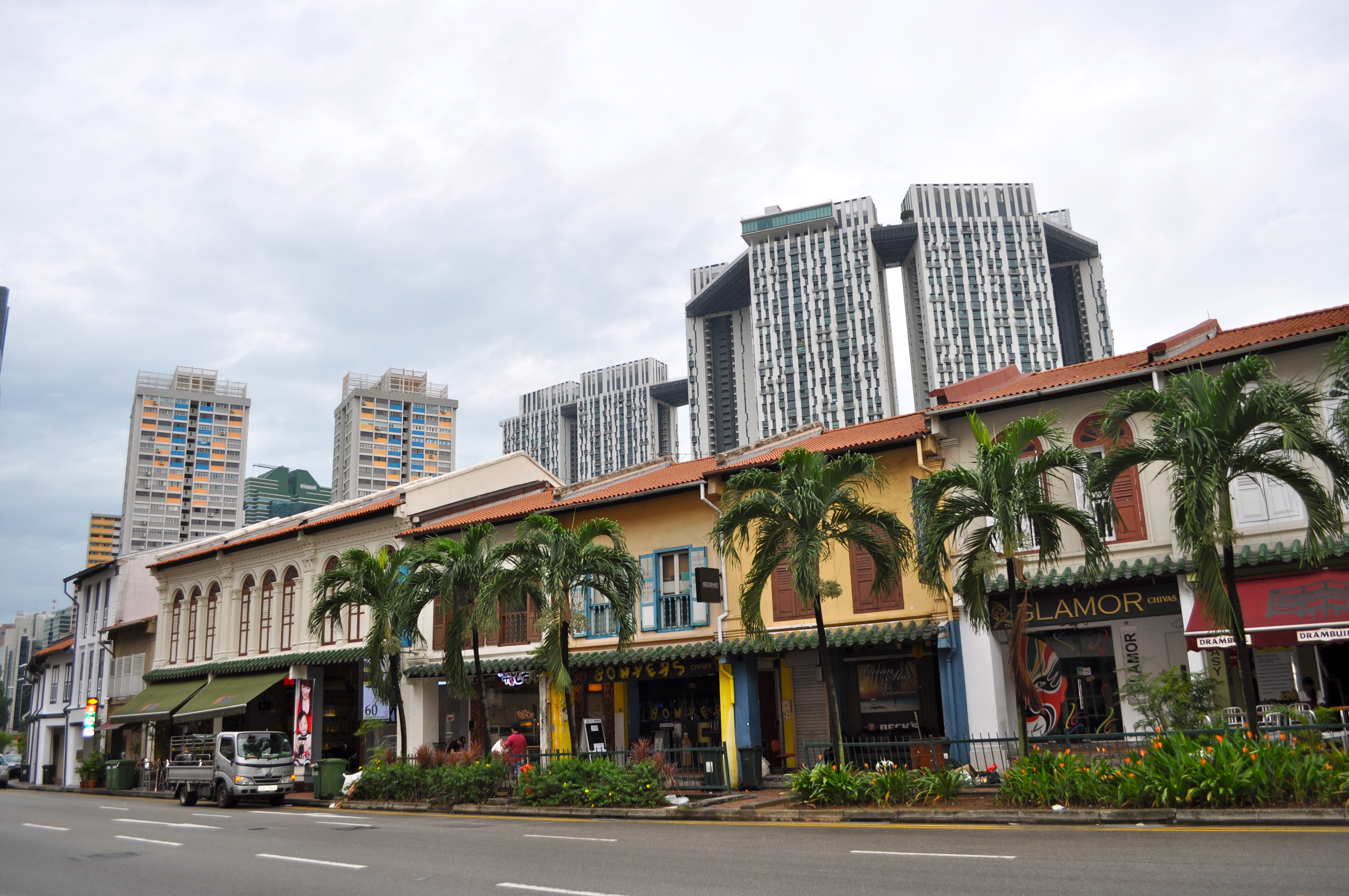
A lot of the non-skyscraper architecture of SG dates back to the colonial period; there are lines of shophouses (imagine those townhouses on a typical San Francisco street) and black & white bungalows. According to Wiki, “In Singapore, they were built from the 19th century until World War II. The style incorporated elements of UK’s Arts and Crafts and Art Deco movements as well as the need of wealthy expatriate families for airy and spacious family homes. Black-and-Whites were built by wealthy families, the leading commercial firms and above all, the Public Works Department and the British Armed Forces.”

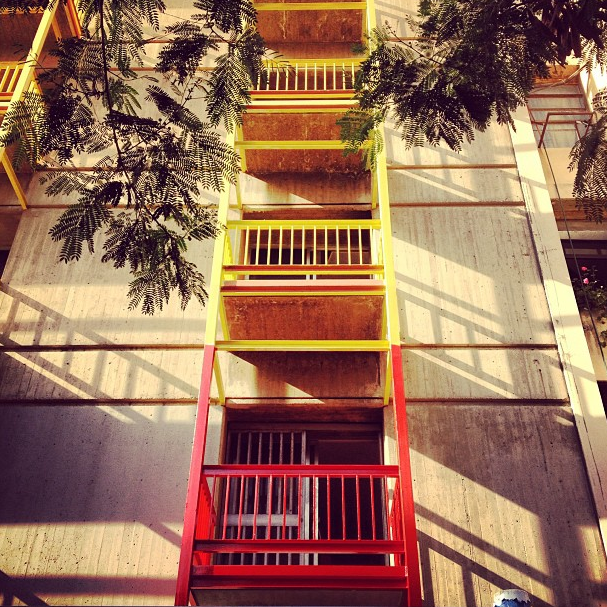
These old-style residences are usually up against the backdrop of towering HBDs (Housing and Development Board), which are complexes that are a form of low-cost state-built public housing. The most colorful HBDs I saw were found in the area between Bugis & Arab Street – they reminded me of the pink and yellow houses of Ashrafieh.

8. The Gardens by the Bay

DSC_0522

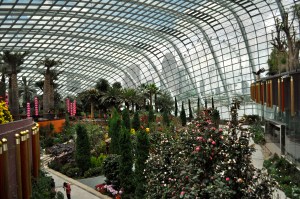
The two domes

DSC_0438

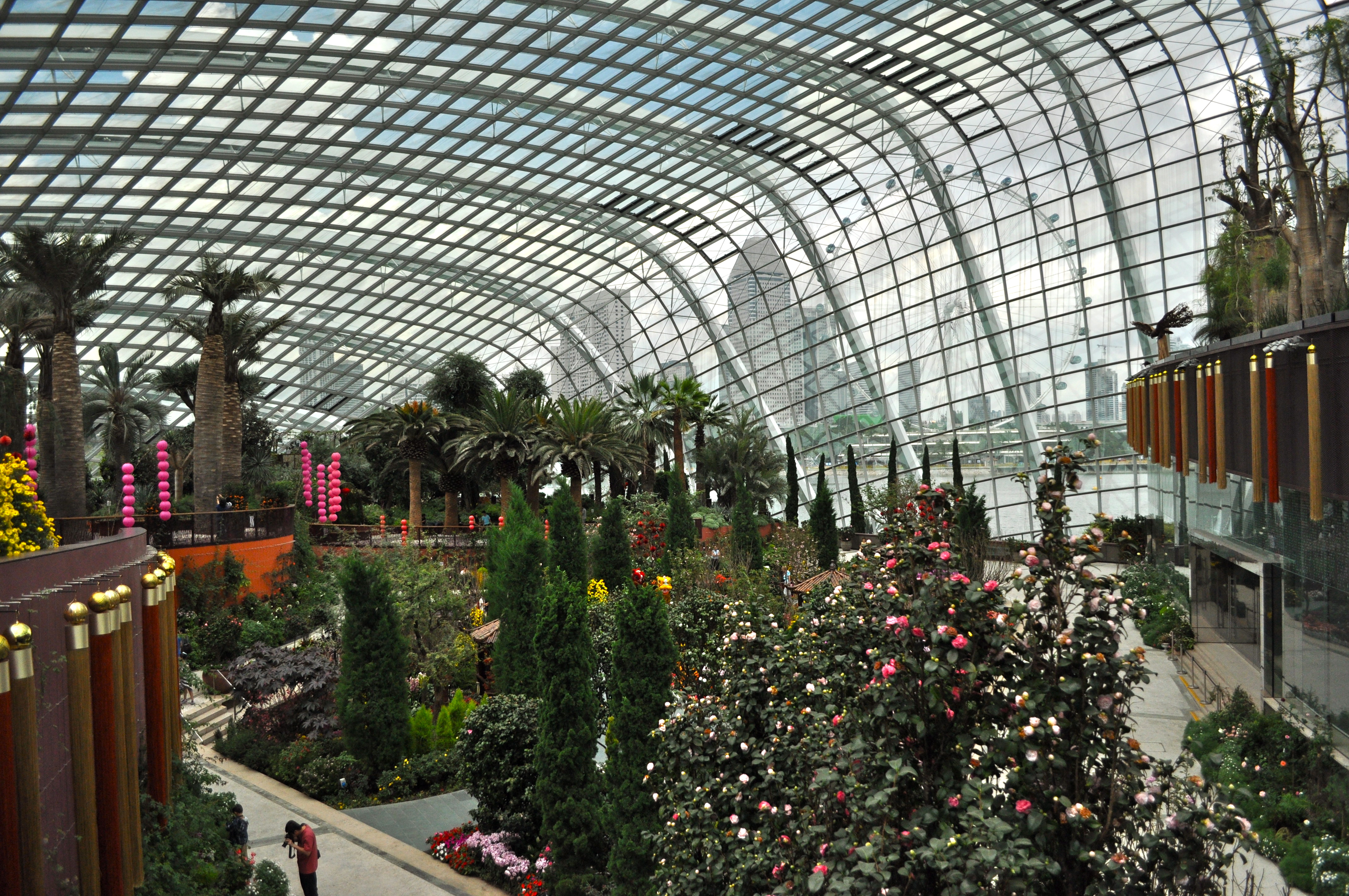
Inside the Flower Dome

DSC_0487

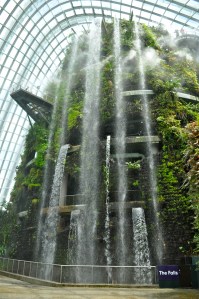
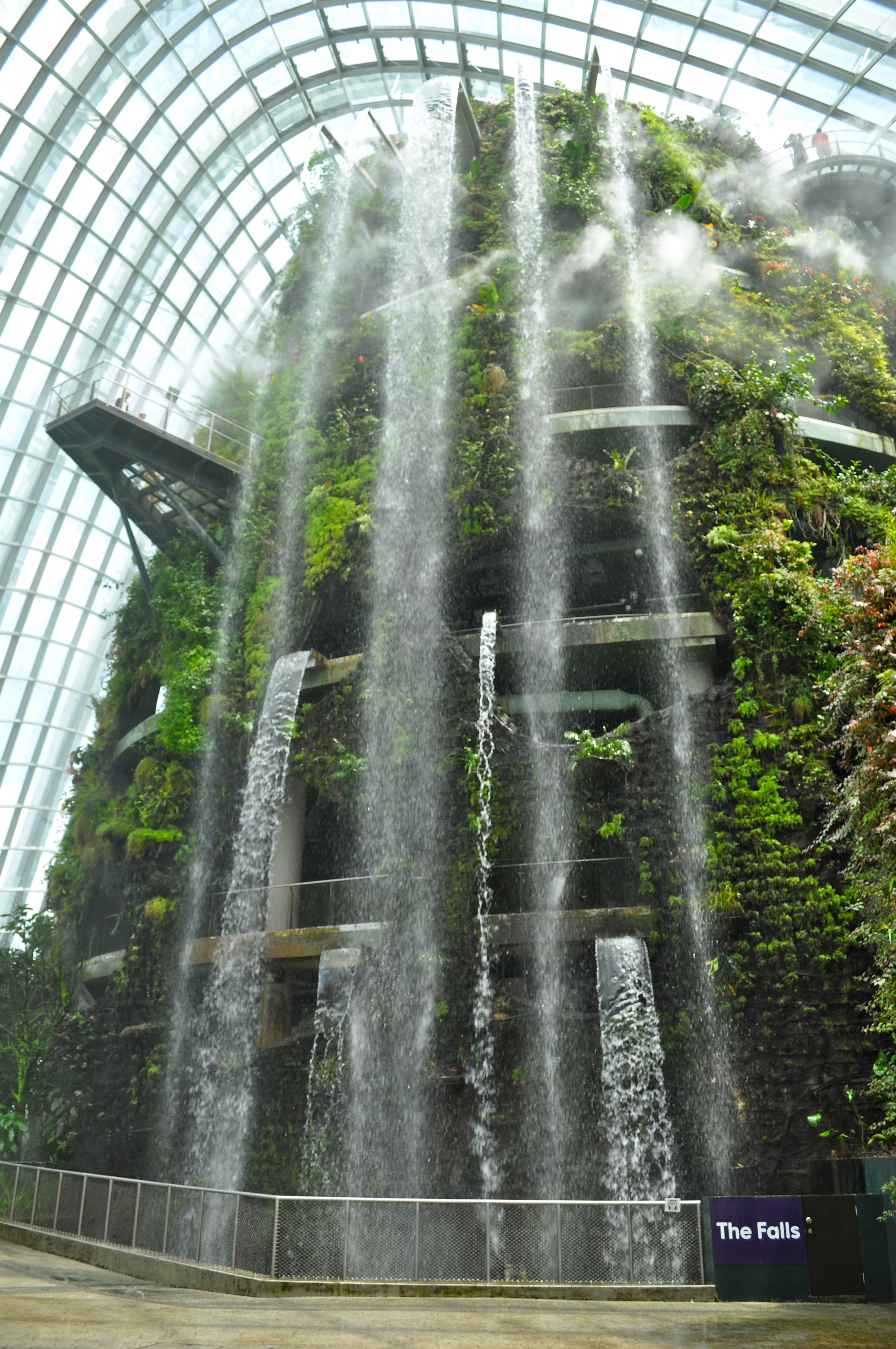
The Falls – inside The Cloud

DSC_0514

The mountain inside The Cloud

DSC_0523

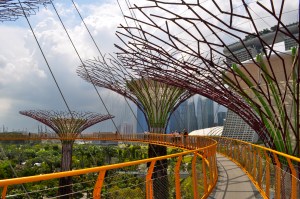
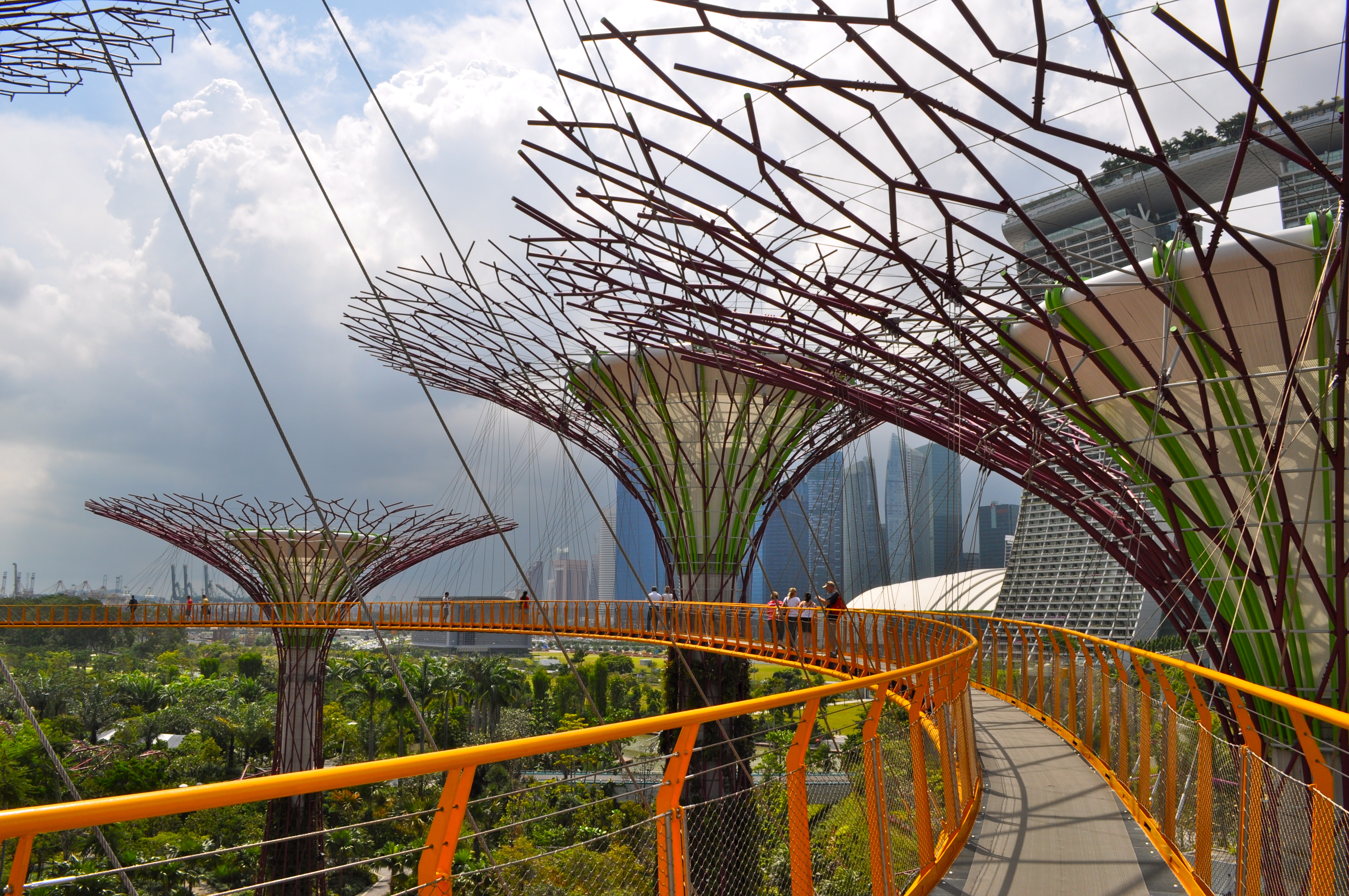
Taking a walk through the Supertrees

Recently opened in 2012, the 350 billion dollar project “Gardens by the Bay” is made up of two large domes, various gardens, and the Skyway. The two biodomes, The Flower Dome and The Cloud, house various species of flora within a temperature controlled environment. The Flower Dome has species from different parts of the planet divided based on geography/climate. The Cloud focuses on endangered flora that grow at higher altitudes – now at risk because of global warming. The Skyway is comprised of large tree canopies (also known as Supertrees) that are fitted with solar panels, hanging gardens, and rainwater catches. There’s a walkway that joins two of the trees so that you can walk across the 22-meter structures and take panoramic pictures of the gardens and the rest of the SG skyline.

9. Star Vista
DSC_0429 DSC_0430

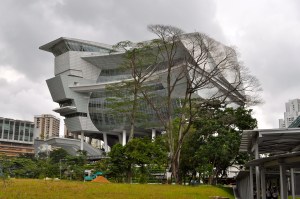
The Star Vista is another shopping/food plaza that also houses a large auditorium for shows. Located right outside the Buona Vista MRT exchange, it is one of the only shopping centers in SG without air conditioning. “The 15-storey mixed-development building keeps cool by optimising wind flow and air movement through open-air walkways and a 33m-high grand foyer that is not closed up so air can flow in. The shops, however, are air-conditioned.”  (source) The $976 million project was brought to life by American architect, Andrew Bromberg of Aedes architectural firm.

10. Red Dot Traffic Building

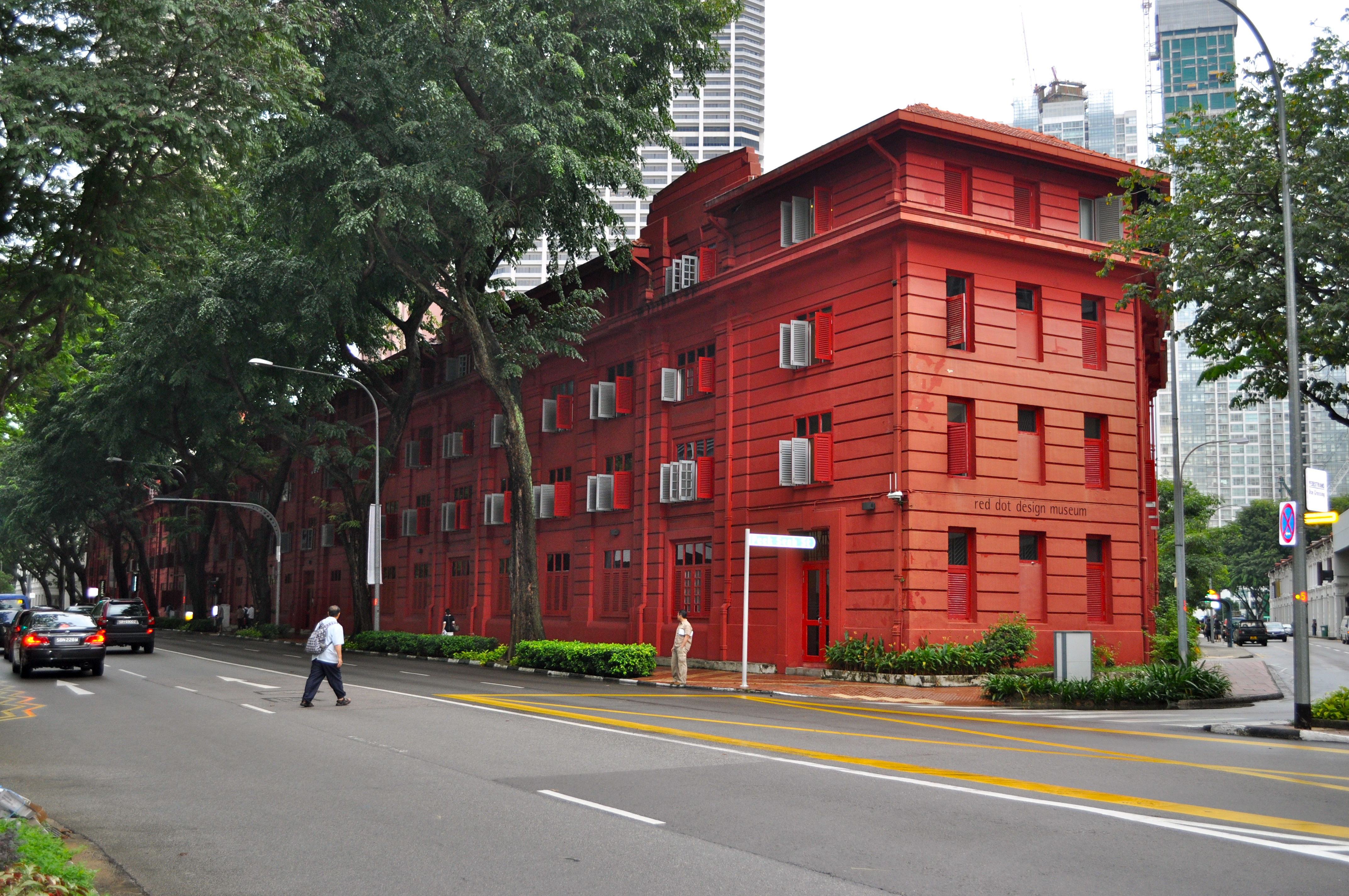
DSC_0537

IMG_6284

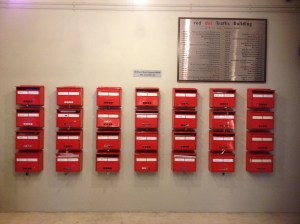
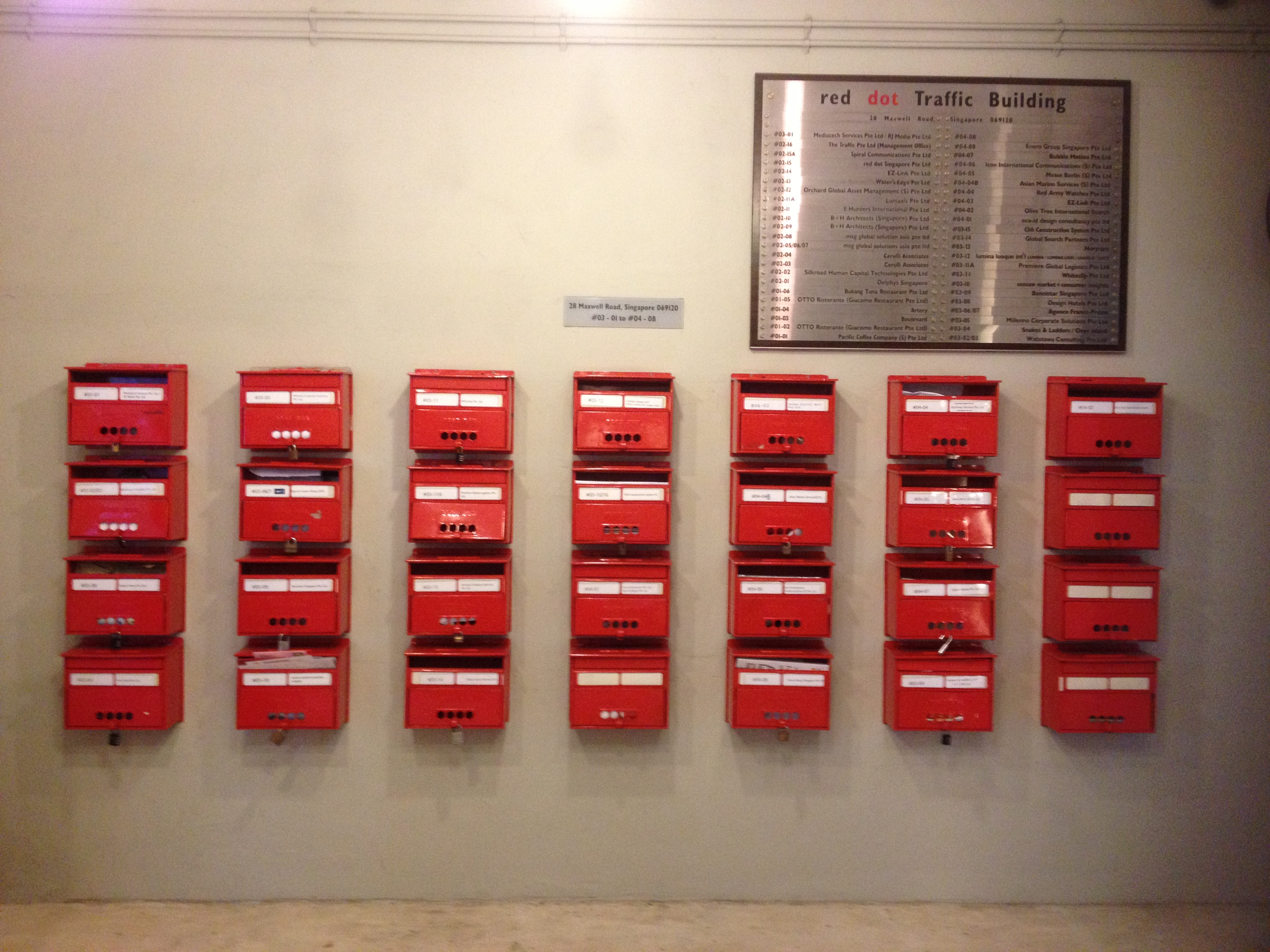
Pretty Red Mailboxes

What used to be a traffic police headquarters is now home to restaurants and the Red Dot Design Museum. It’s located on Maxwell Road, walking distance from the Maxwell Hawker Centre so you can have a plate of chicken rice after you’re done sifting through the winners of the Red Dot Design awards (entrance to the museum is S$8, S$4 for students). When at the food stall, make sure to get all the little tubs of sauces and be generous with the combination that you prefer. When it’s boiled chicken, we all know the truth: it’s all about the sauce.

Disclaimer: These are just a FEW of the many architectural wonders of SG. 
A Designer’s Love Letter

Dear Paper,

I have never expressed my love for all the things that make you different – that make you shine on a pedestal and make me want to sing Gavin DeGraw songs to you in the middle of a small-town BBQ. The amount of gratitude I have for your very existence cannot fit between the covers of a book.

You have given me so much of yourself that it is baffling how there is still anything left of you. I think the greatest thing you do for me is tell me what I’m afraid to tell myself even if you’re just repeating the words in my head in a different form. And when I forget or doubt all that I have told you or etched into your very fibers, you are instantly there to remind me. You allow me to soak in my memories and float away on a lily notepad of neglected ideas. Even your blank stare is not daunting or intimidating, all I have to do is start over. I have yelled at you, cried on you, and torn you to pieces. I’ve even sliced you with a box-cutter and thrown you away. You have been here to show me one basic truth: all things are possible.

You have become a recycled resource – a quality that is delicious in that your texture has a history that only my fingertips know. Pixels and light, it’s just not the same. I like the way you feel when I touch you, and your smell is…sometimes I smell you in the wind and in that moment, if I close my eyes, I can still smell you on my skin.

You are a fundamental part of every piece of art and beauty. Everything that has been constructed, made, or invented by me has begun with you. You are quiet and humble. You do not hum, click, or buzz. You do not need protection or updates installed. You are ever-lasting and timeless. You could survive a tsunami or an iceberg. Your only enemy is fire and it is only natural that you are not invincible but it is poetic that the only thing that can destroy you is something that burns. You disintegrate into ash and join the earth again.

Everyone around me seems to be aiming for the next digital explosive discovery. Not you. You are a dying breed. I see less and less of you and that is not entirely your fault – I’ve made decisions that left you up on a shelf waiting for me to remember you’re still there in the shadows.

All I ask is this: when you are there in the darkness, please know that I cherish every inch of you.

Designer

Weekend in the Beirut Digital District

IMG_6618

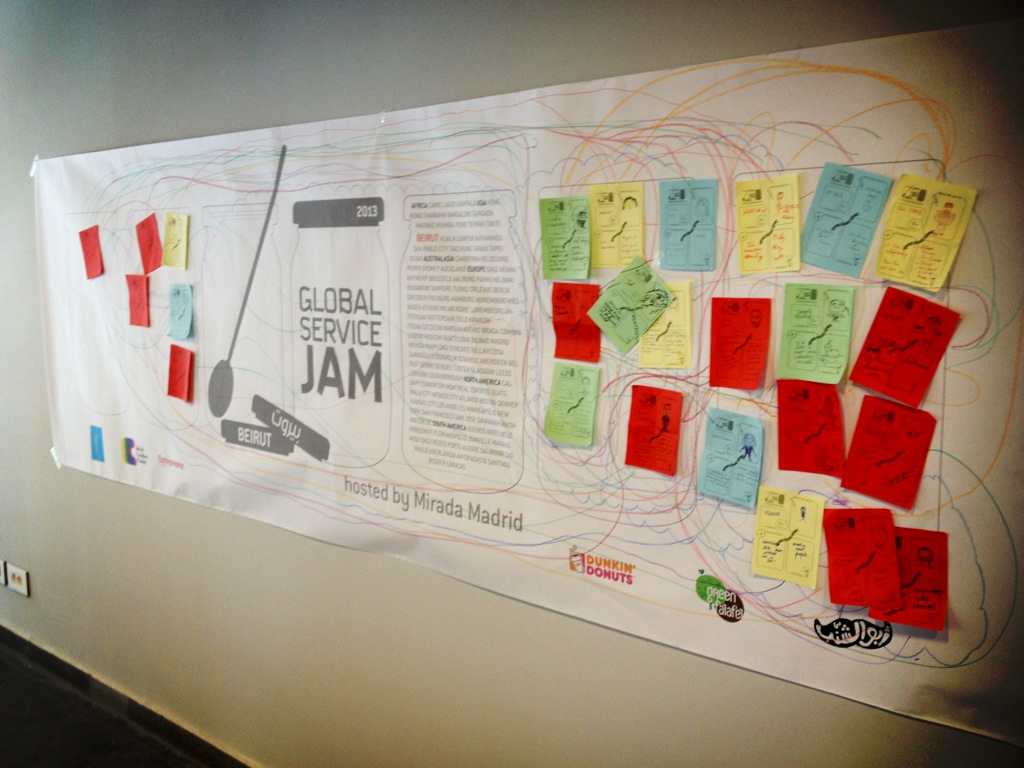
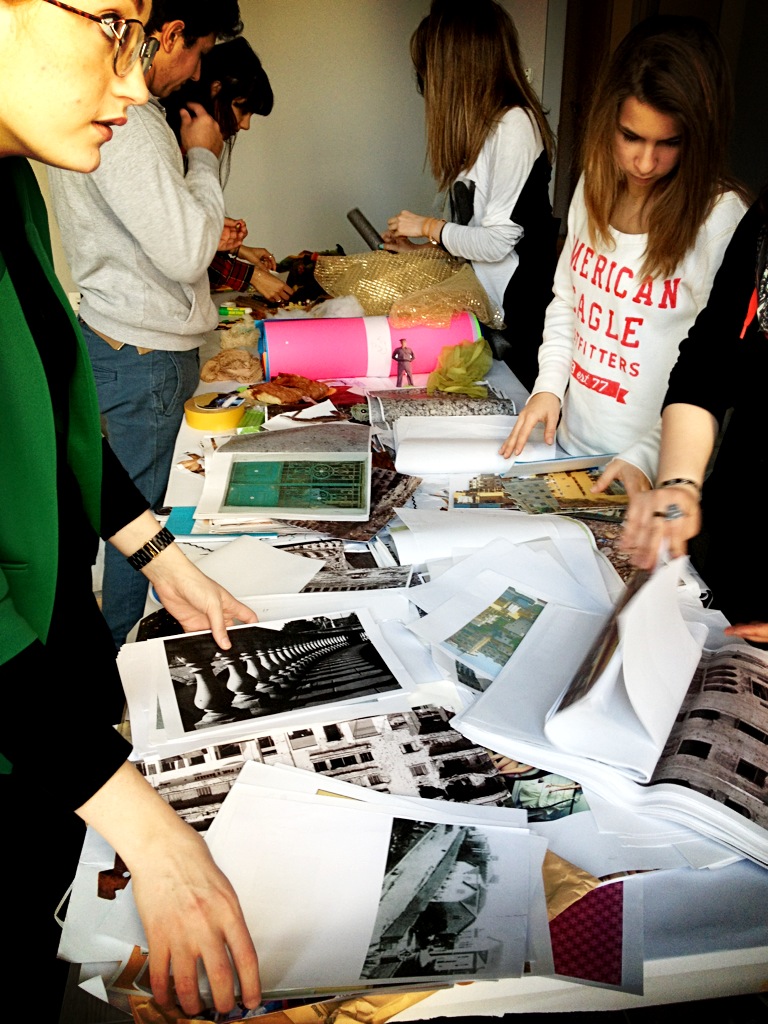
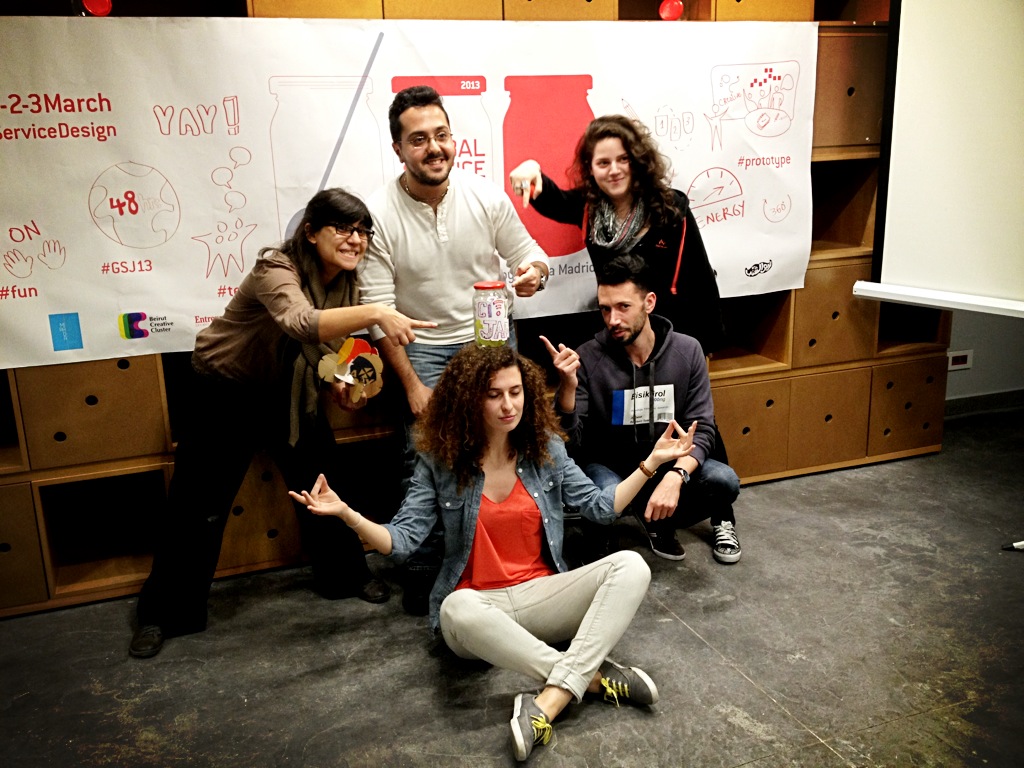
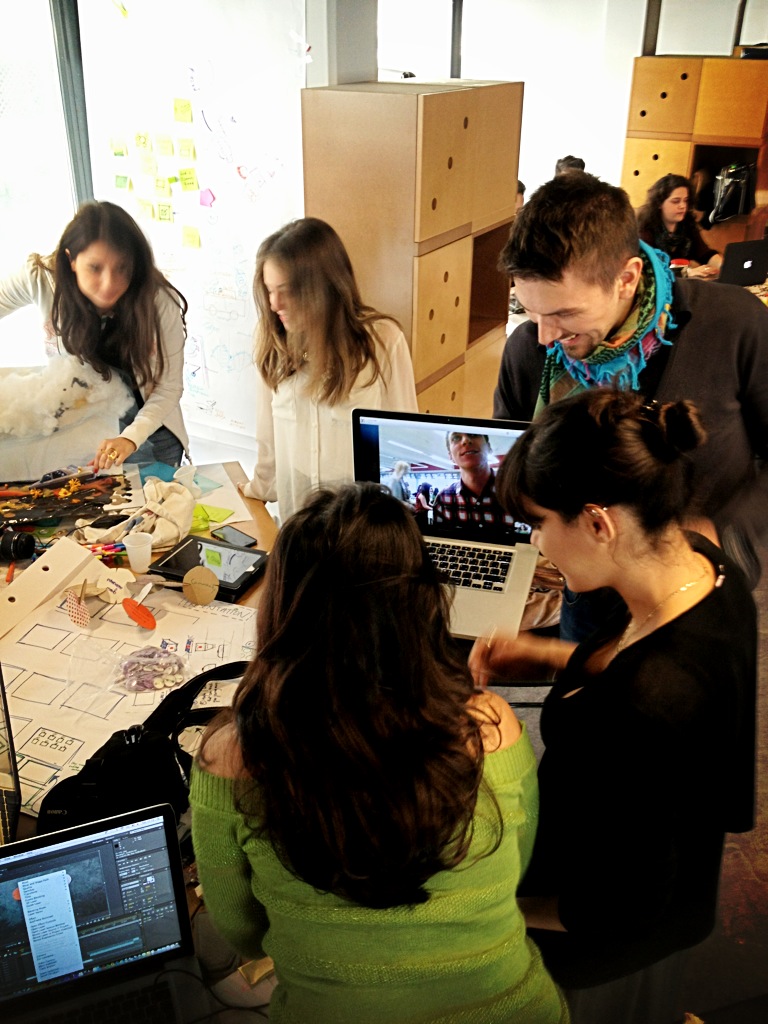
This weekend, I live-tweeted for the Beirut Service Jam, a part of the Global Service Jam event that took place around the world in 135 cities. The idea of a “Service Jam” is to get excited individuals from all disciplines to come up with a project that can serve the community* – and to do so in 48 hours. Participants have to go through all the steps including brainstorming, prototyping, as well as putting together a formal proposal of the idea. This year’s theme for the GSJ was “GROW.”

IMG_6619

The event was held at Berytech in the new-and-still-in-it’s-preschool-phase Beirut Digital District. Most tech-savvy know it as the home of Geek Express, a café/shop/workspace open for those who want to experiment with technological DIY projects and attend weekly workshops. For those who don’t speak geek, it’s in Falafel Land – the street parallel to Falafel Sahyoun going towards Bechara El Khoury intersection. Some may wonder why it was decided that this would be the best location for the BDD – I couldn’t figure it out – but based on their brochure, the area, known as Bachoura, was chosen because it’s logistically close to major landmarks, shopping centers, and is a 15min drive from major educational and health centers. Plus, it said all this nice fluffy stuff about it being historically relevant to Lebanese heritage and scars of the war. Apparently this area used to house many public libraries – where’d those go?

The BDD’s aim is to “create the right environment for companies to invest, create jobs and grow our GDP.” They want to create a hub where the ICT sector (Information & Communication Technologies) can grow and entrepreneurs can get something started. Architecturally, there are still 3 projects to be completed in 2014, 2015, and 2016.

IMG_6612

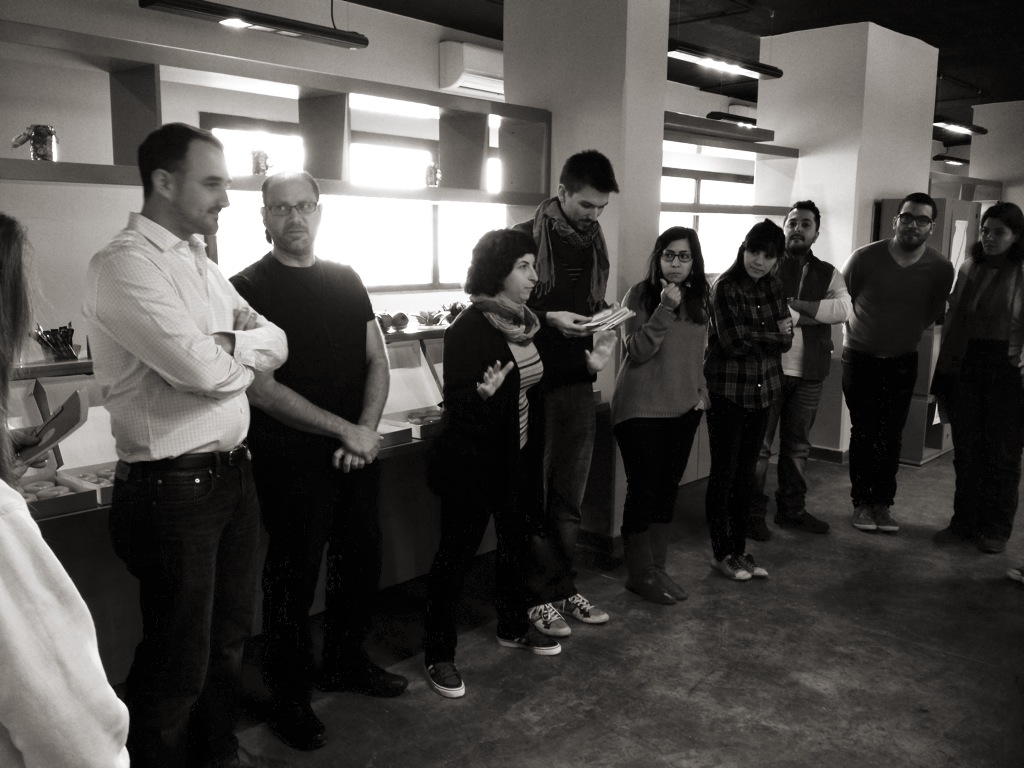
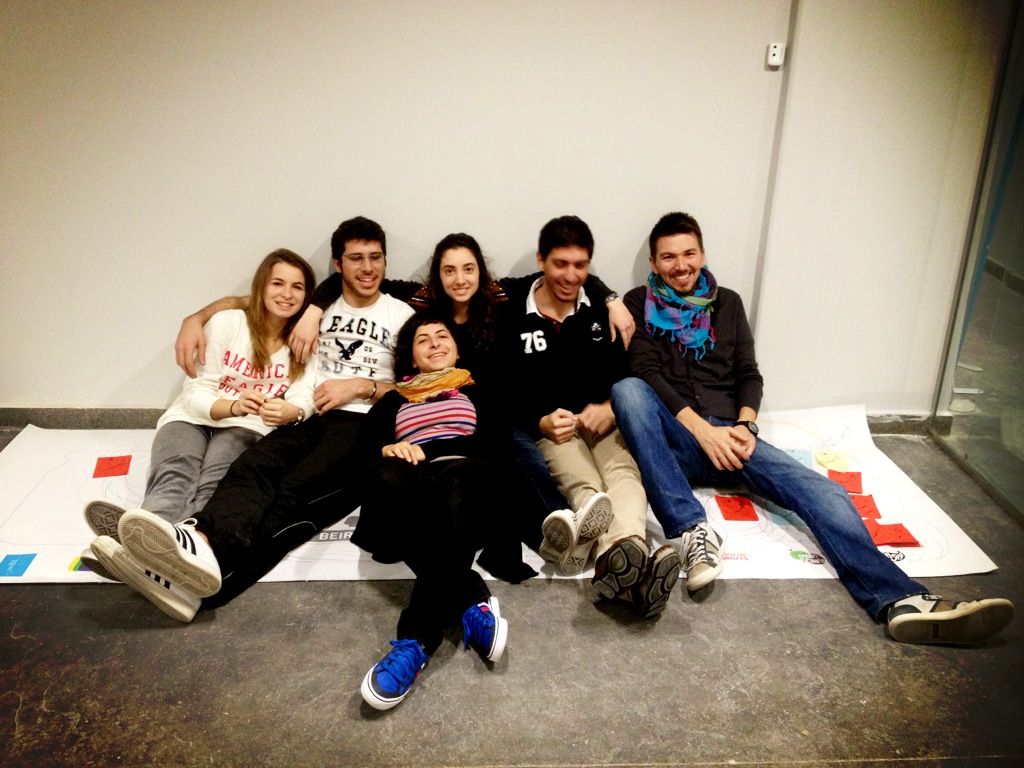
The Beirut Service Jam participants were split into 5 teams and directed by mentors specializing in different fields. Mentors included TedxBeirut 2012 speakers Chris Littlefield & Hani Asfour, and MENA Design Research Center’s Doreen Toutikian. Other mentors focused on the art of storyboarding (Krystel Kouyoumdjis, also a participant in the BSJ), film (Rabih Ibrahim), role play (Elyssa Skaff), and set design (Rami Dalle).

IMG_6674

IMG_6689

Projects touched on many topics like public space, social interaction, CSR initiatives in the agriculture sector, and recycling. You can check them out here.

Interesting Interaction for me as a designer:

  • Rami Dalle, a set designer, designs window displays for some shops in Beirut Souks. He specializes in embroidery, crochet, wool works, taxidermy, willow weaving, and attends workshops abroad to acquire new skills.

His #1 rule: there is no basic rule.

Highlight of the Event:

IMG_6724

  • A Skype call with fellow Jammers in Dundee, Scotland

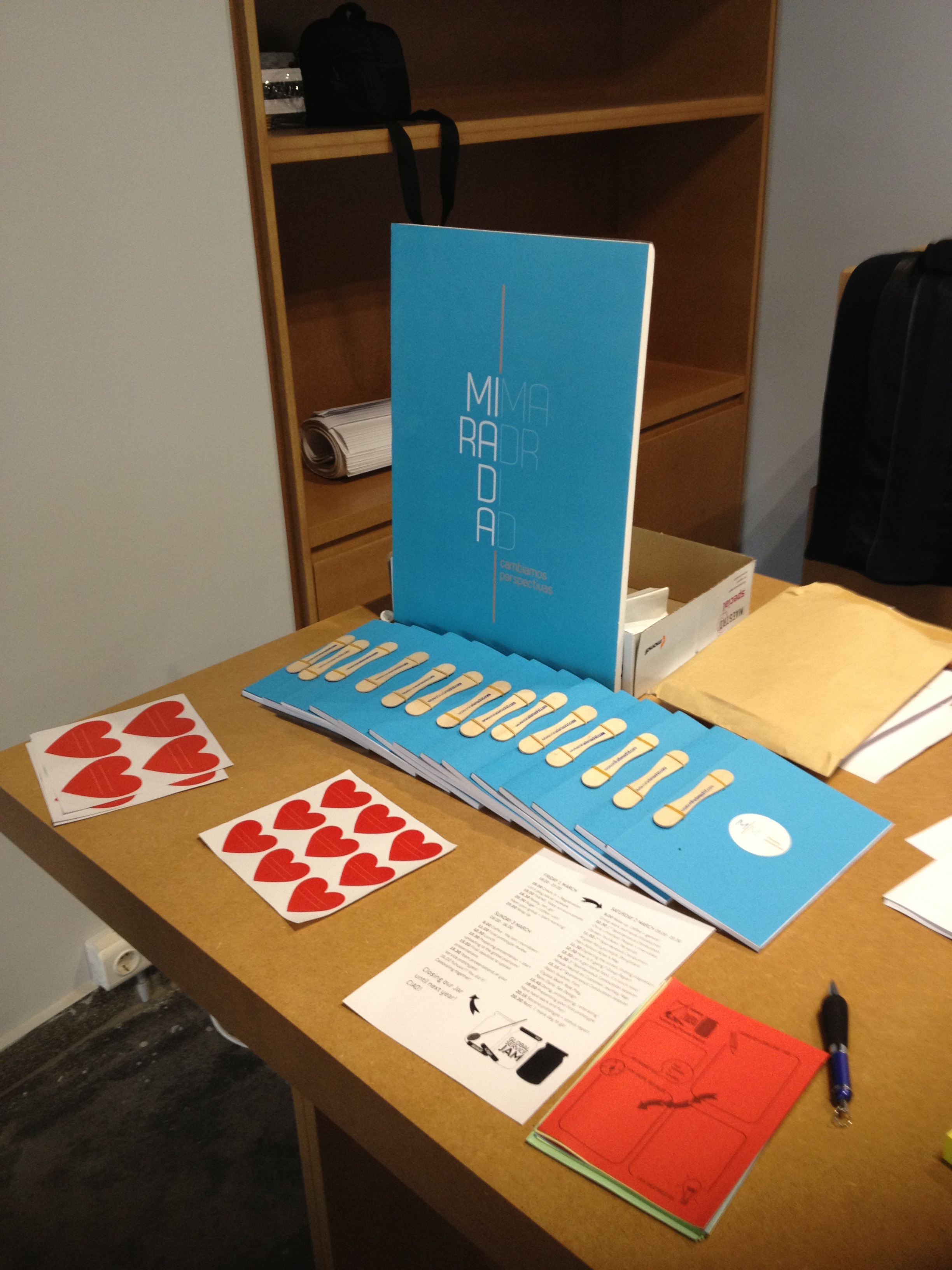
The Beirut Service Jam was organized by Mirada Madrid’s Joumana Mattar and Riccardo Musolesi in collaboration with the Beirut Creative Cluster.

IMG_6686

* “Jammers are simply challenged to design and prototype a service. While many choose to do something which is community oriented, this is not compulsory, or even suggested. Jammers are equally welcome to design a purely commercial service, for example.” – from Adam, Co-Initiator of Global Service Jam

Bambi’s Boxes, Part IV


Although this display has been taken down – it was Spring 2012 – I would like to give it some praise before it has been forgotten. 


Venue: Sophie’s Choice
Location: Beirut Souks


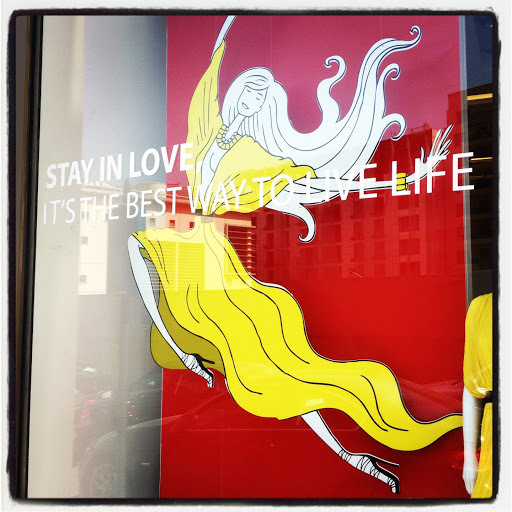
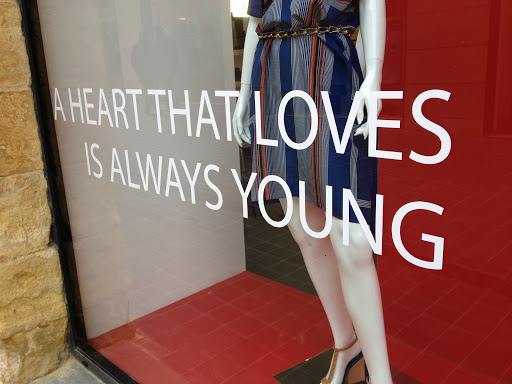
The displays incorporated illustrations by Karim Al Dahdah, illustrator and founder of Karim Al Dahdah Illustration Studio, mixed in with simple quotes about love. The illustrations are inspired by the collections of Sophie’s Choice, a luxury boutique located behind Hermes in the Downtown Beirut Souks. The characters are very lively and playful – very different than the impression that Sophie’s Choice gives off as a retail store. It usually seems very exclusive and unattainable, like how you’d feel if you were to ask the Queen for a spare tissue. You’d feel ridiculous, say thanks, and run off to make faces at her national guard. 

The new vitrines gave SC a younger facade making it less intimidating. The clothing seemed as carefree as the jumping gangly girls in the cardboard cutouts. Well done.

Source

Source

“Karim Al-Dahdah was born in Beirut, Lebanon in 1982 and went to school at the Collège Notre-Dame de Jamhour where he received the prestigious Prix d’Honneur de Philosophie.

He holds a BA in Advertising from the Académie Libanaise des Beaux-Arts (2004) and a master’s degree in Illustration from the Savannah College of Art and Design, USA (2005).

He worked as an art director for a top children’s b

ooks publishing company in Chicago and a marketing company in Beirut, before opening his own illustration studio in June 2009. ” – Karim Al Dahdah Illustration Studio Facebook Page

Check out the rest of his Facebook page here or his website here.

Bambi’s Boxes, Part III

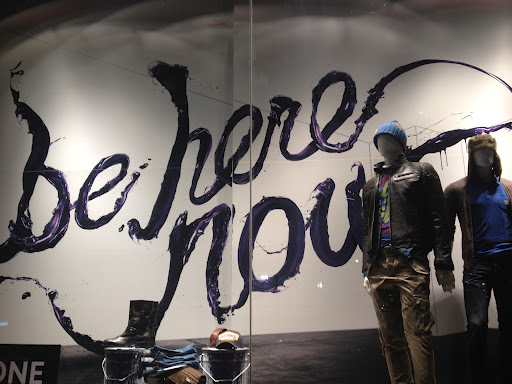
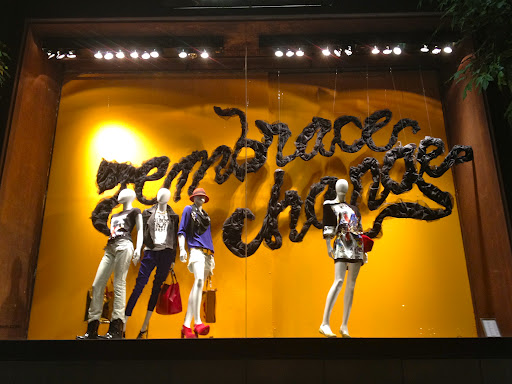
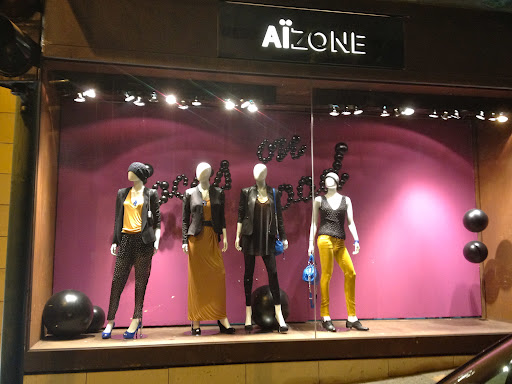
This Bambi Box that just barely made it into the month of September is a spotlight on the Aizone FW 2012 campaign done by Jessica Walsh under the art direction umbrella of Stefen Saigmester. Saigmester is a world-renowned designer who is most famous for using a Zoro technique on his own skin when designing an AIGA invitation card back in ’99. He works with many freelancers to come up with new ideas for clients and this time he teamed up with NY-based Jessica Walsh.

(Taken from her behance portfolio) 

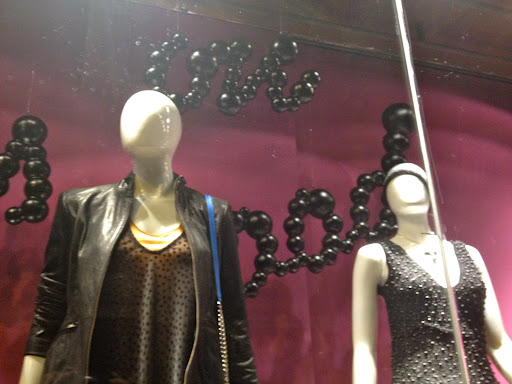
The campaign was a series of images and experimental typography that were then adapted to the storefront windows. She used variations in paint, bubbles, and fabric to phrases. The forms of the typography match the style of the clothing that is displayed on the mannequins.

The displays in Aizone in ABC Ashrafieh, Beirut:

Close up (baubles on the t-shirt)

The team also did the previous FW 2011 Aizone campaign:

(Taken from her behance portfolio) 

The behind the scenes video of this campaign is great because you get to see that the visuals were actually created rather than digitally done on Photoshop. 

Walsh is a great designer – according to behance, “she has worked with studios such as Sagmeister Inc, Pentagram Design and Print Magazine, and freelances for a variety of clients such as the The New York Times, AIGA, Computer Arts & I.D. Magazine, and Technology Review.” Check out her full behance portfolio here or her personal website.