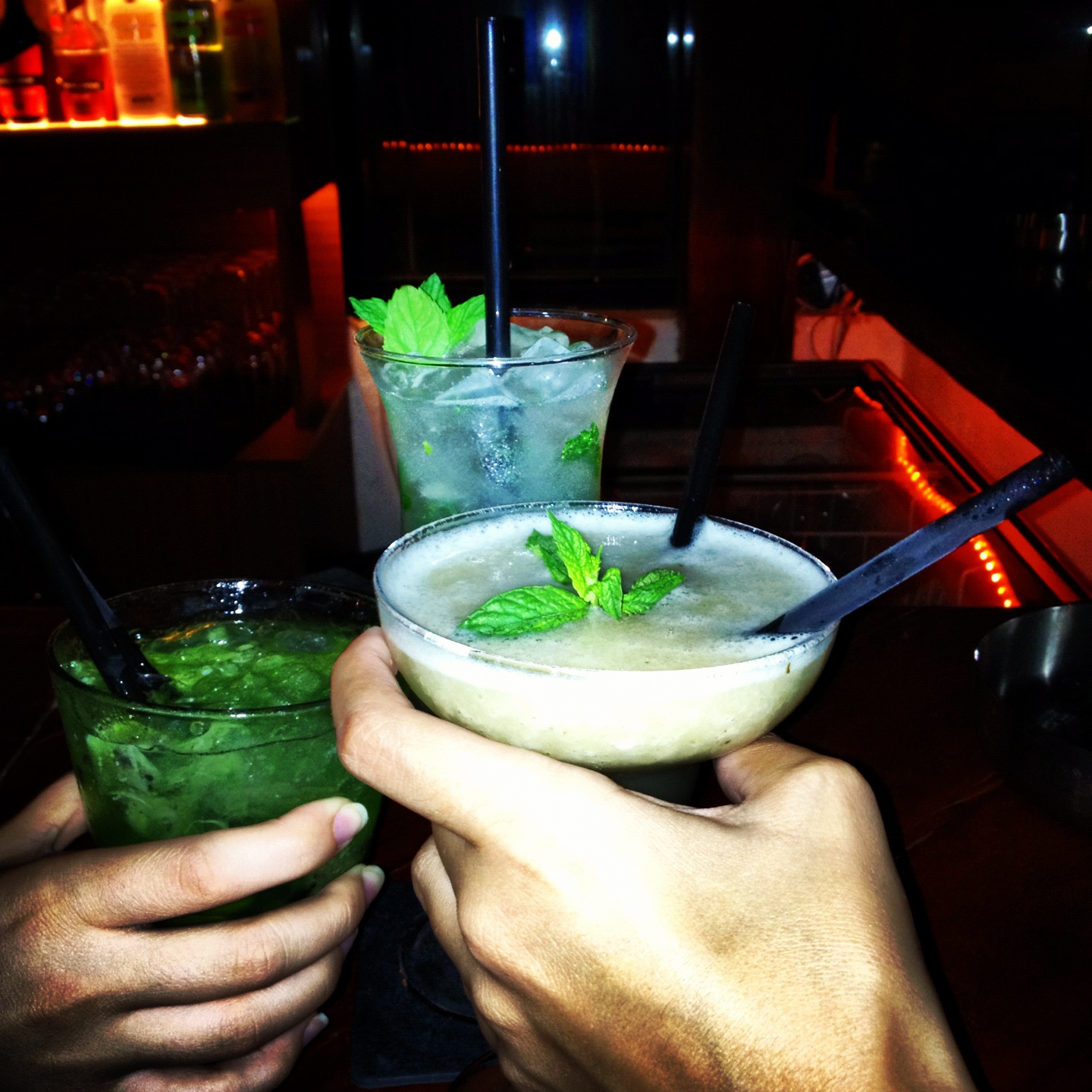
Cheers to Social Responsibility


IMG_3269

According to an excerpt in Levitt & Dubner’s “SuperFreakonomics”*, drunk-walking is more dangerous than drunk-driving when considered on a per-mile basis. In fact, a drunk walker is 8x more likely to get killed. The only plus side to this odd factoid is that the drunk walker usually only inflicts harm on his/herself but not the same can be said about drunk drivers.

Drunk-driving is a huge social issue and public transportation is an infrastructural necessity especially in a country the size of Lebanon. Implementing other means of transportation that do not rely on your own motor skills (your’s and your vehicle’s) being at 100% efficiency, could contribute to decreasing the number of accidents and deaths due to driving under the influence.

Various international campaigns launched by alcoholic beverage companies are pushing for more responsible after-party choices when it comes to transporting your drunk-self home. Most of the agencies behind these campaigns use the idea of a trade-in option in order to get drinkers to opt for a safer ride through public transportation.

For example, during Rio de Janeiro’s Carnival, Antarctica, a Brazilian beer company, had its customers pay their metro fare using empty beer cans. “The Beer Turnstile” used the simple trade of a can for a ride: the can was scanned at the turnstile and the drinker could go home for free. The initiative led to a 43% drop in caught drunk drivers. Another beer company, Stiegl from Austria, replaced its product labels with tickets to use on the Salzburg public transportation system. Yes, these are huge PR stunts and get the brands, and their respective ad agencies, the coveted “socially responsible” stamp; however, a good deed is a good deed. Many lives were probably saved thanks to ideas like these.

Although Kunhadi’s drunk-driving TVC/Billboard campaigns are very powerful with their use of imagery and devastating story lines, the tone is on the heavy and somber side. Their Taxi Nights, parties that provide taxi rides home for all attendees, are great steps in the right direction that actually make a change on the ground where the real danger is. And let’s not forget the Ashekman graffiti piece that was commissioned early last month. It must be said though that Kunhadi is a non-profit organization that fights for road safety. They are not a brand so their approach differs than that of a beer company or any consumer good.

The Nissan “Suggest an Arrest” stunt in Uruguay Street addressed the problem by allowing friends to volunteer a drunk friend for a sobriety test. If they failed, they were driven home in a new Nissan. The activation, which took place during the month of March, was a nice try but they pushed their product to an unsusceptible customer, a drunk driver. Even if their heart was in the right place, the focus was more on the car and the PR attention rather than the desire to spread a message or change behavior.

Perhaps the government or private investors can help get public transportation implemented in a country, or at least a city, that is in desperate need of traffic relief, reduced carbon emissions, and a safer more economically feasible way of getting around. Perhaps more laws can be enforced when it comes to road violations, reckless driving, and distribution of DUIs & license confiscation. Perhaps, the most likely and doable “perhaps” given the ever-present cloud of doom over our Lebanon, more brands can jump on the fight-drunk-driving bandwagon provided that what they’re doing is relevant to their product and overall campaign idea. It doesn’t really matter if, deep down, they’re doing it to look good or to have the general public opinion shift to “bravo, bifakro bi ghayron”** – if it makes sense and causes more drinkers to be responsible, it’s a win-win.

*I definitely recommend this book and it’s prequel “Freakonomics” if you like reading books that make you think that all things are conspiracies and WTF MIND BLOWN.

**Arabic for “they think of others”
Taking a Stroll in Ashrafieh


DSC_0747

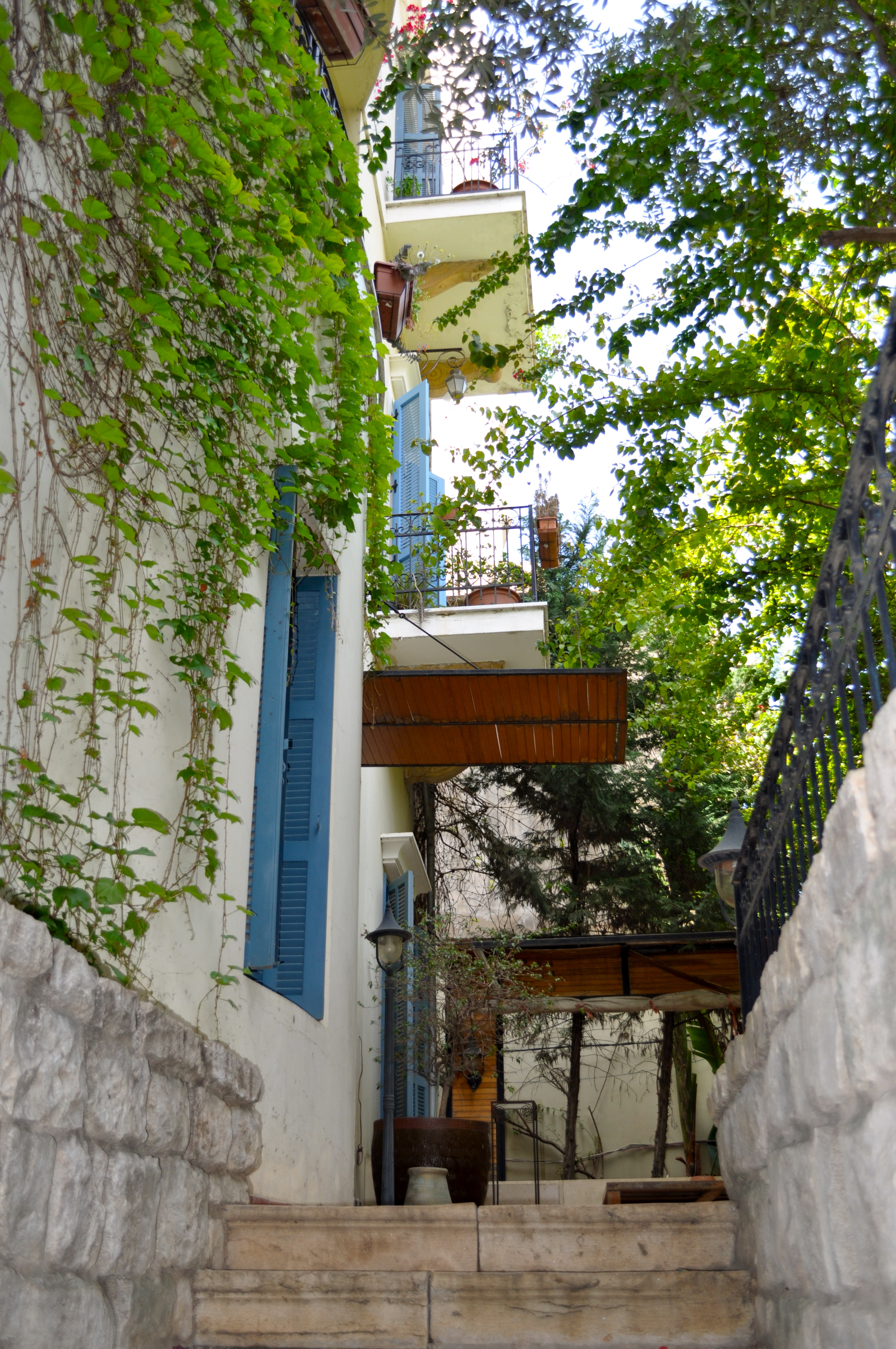
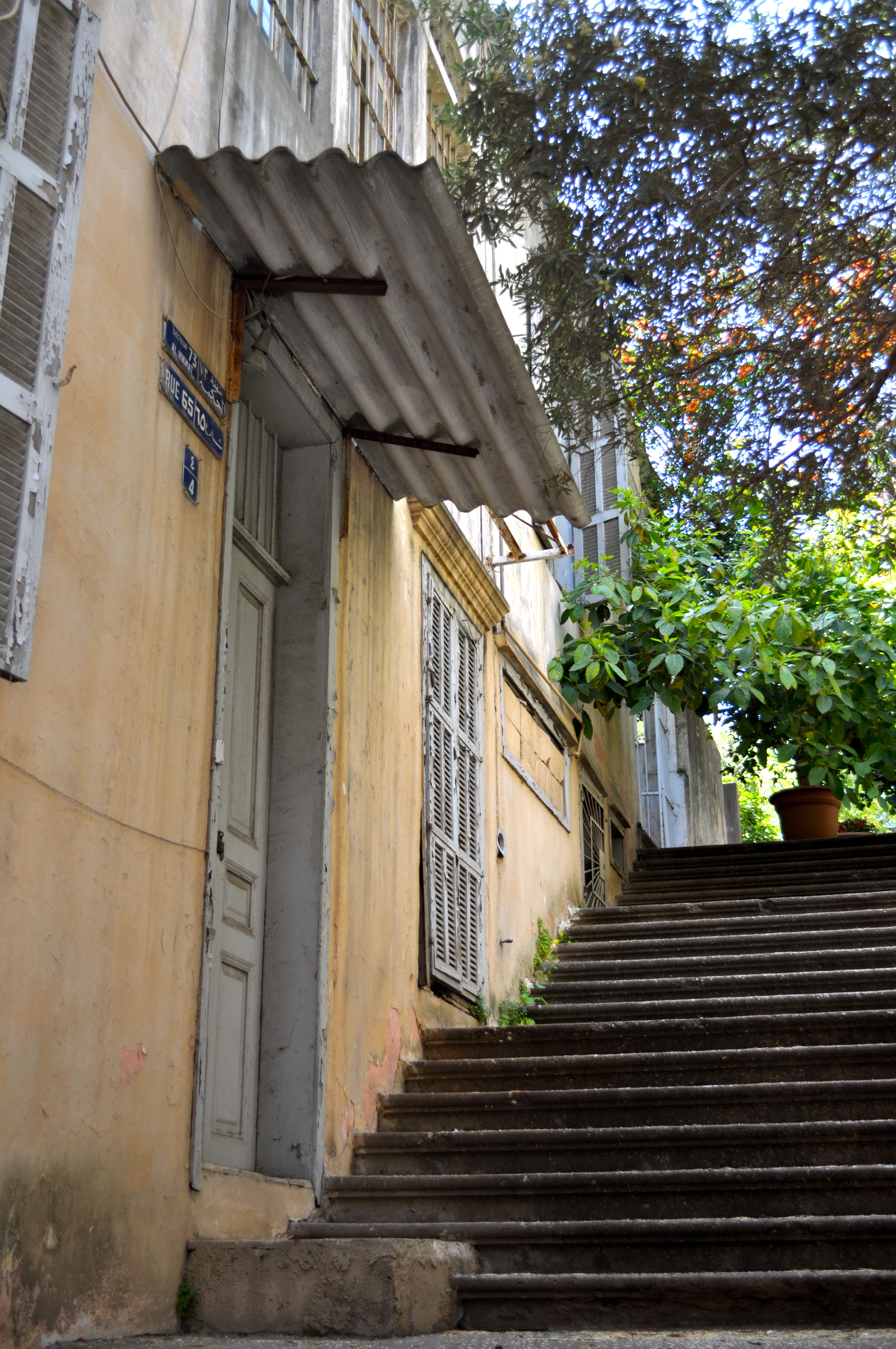
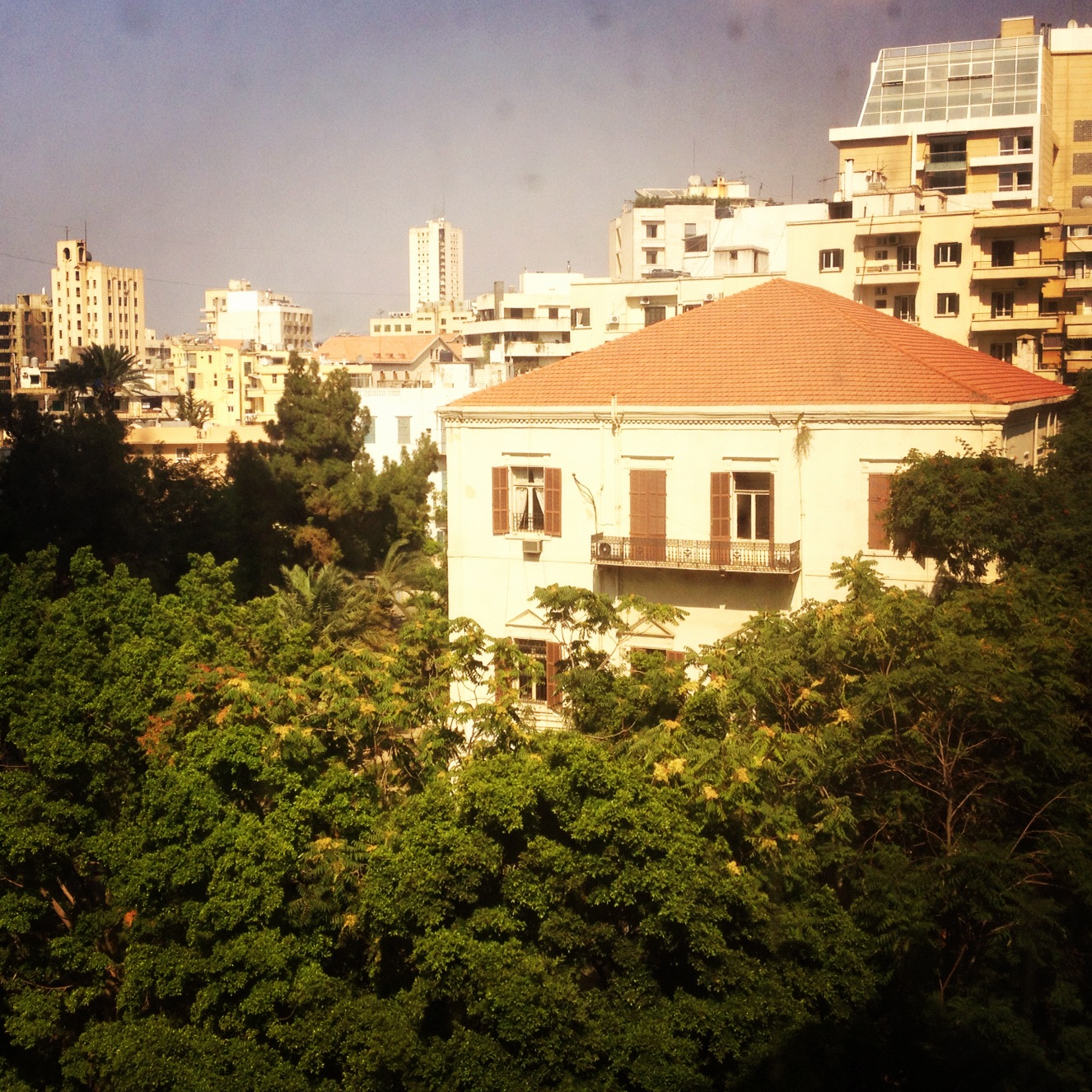
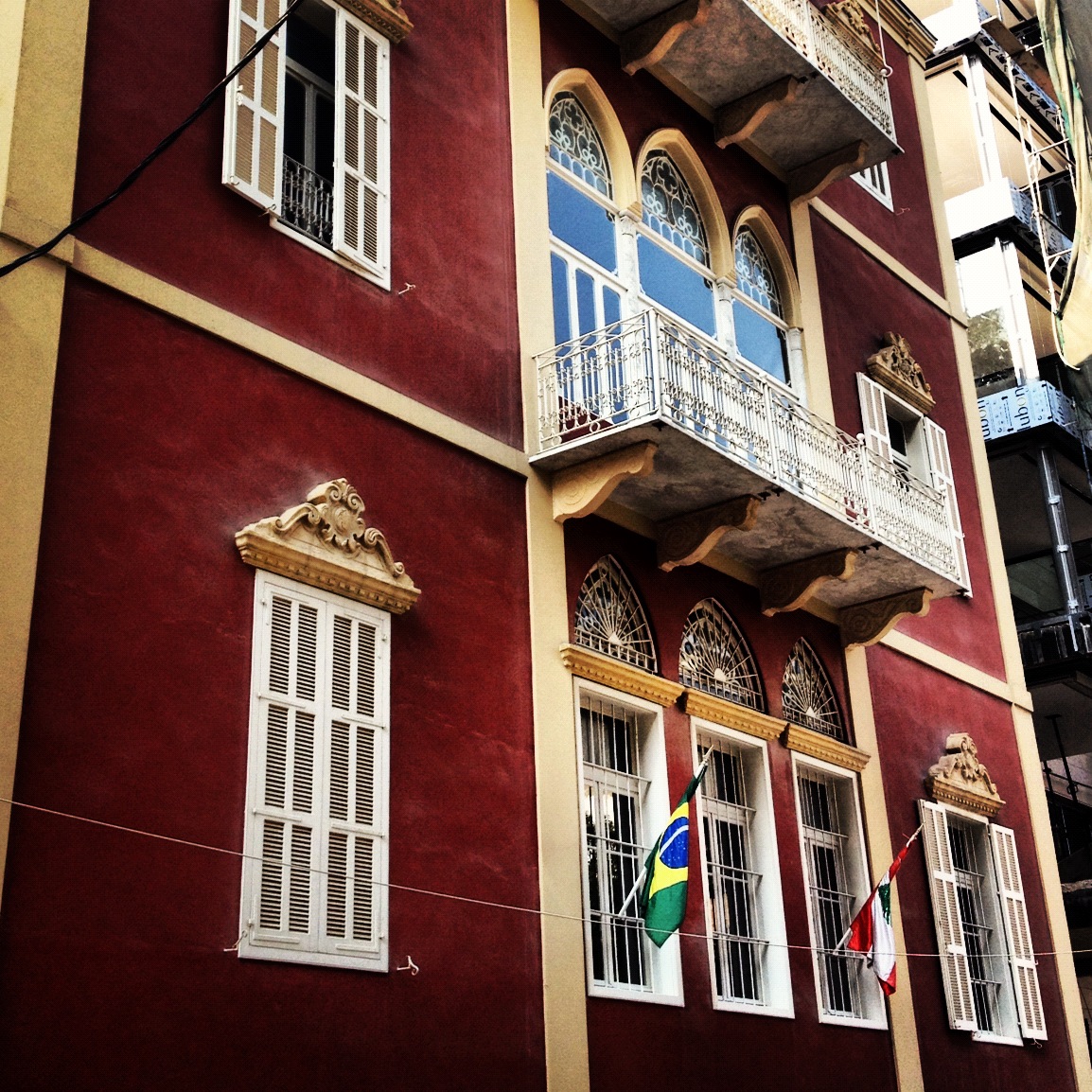
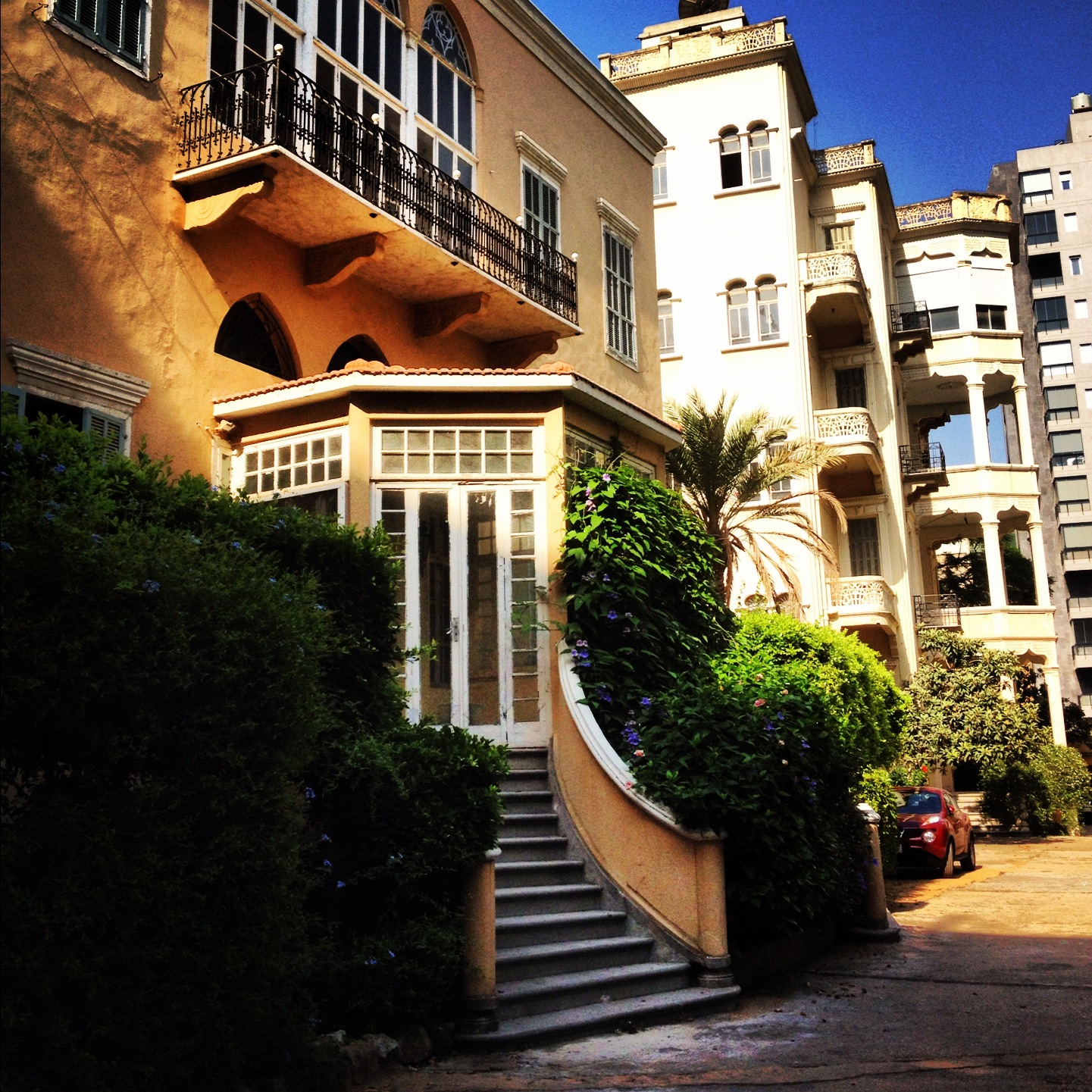
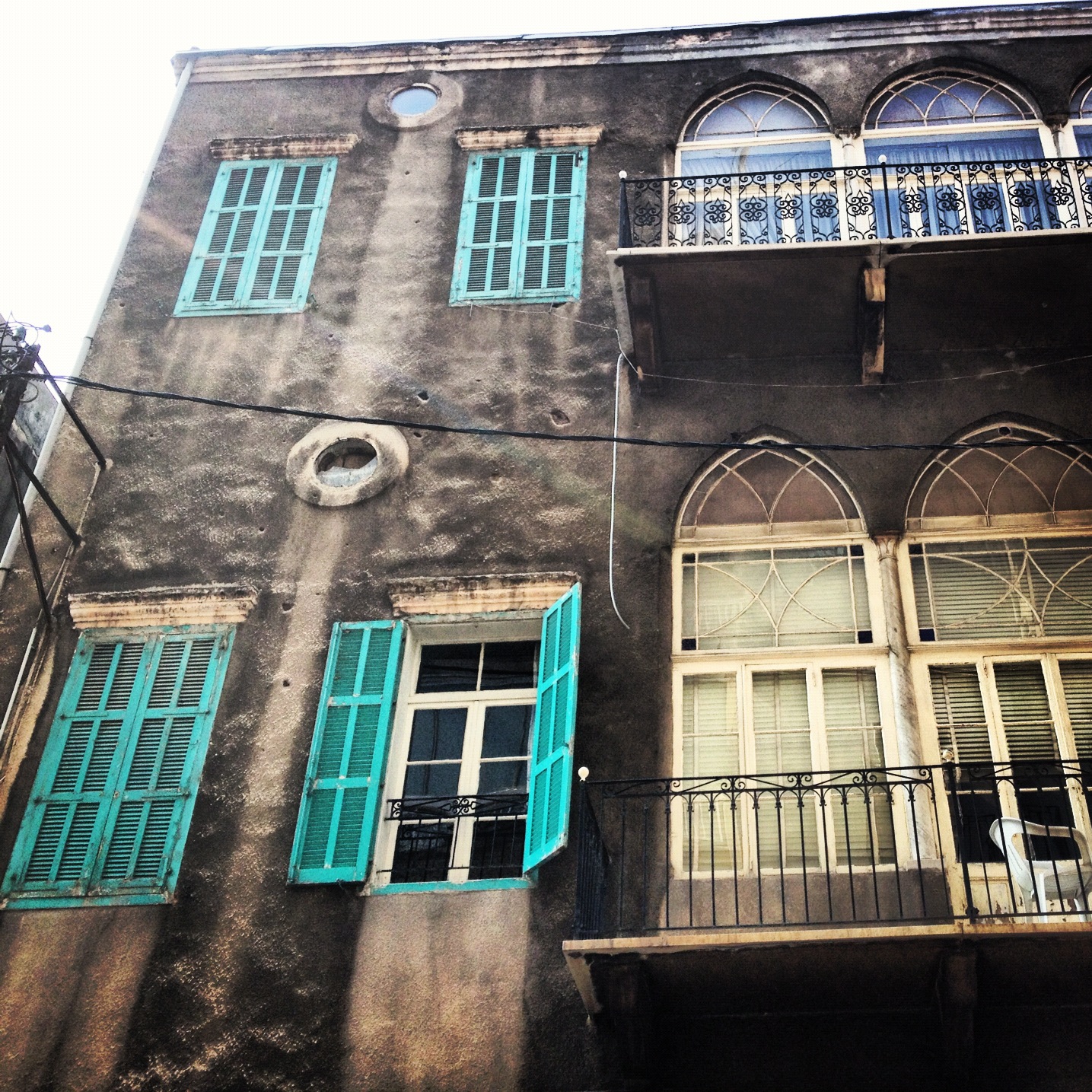
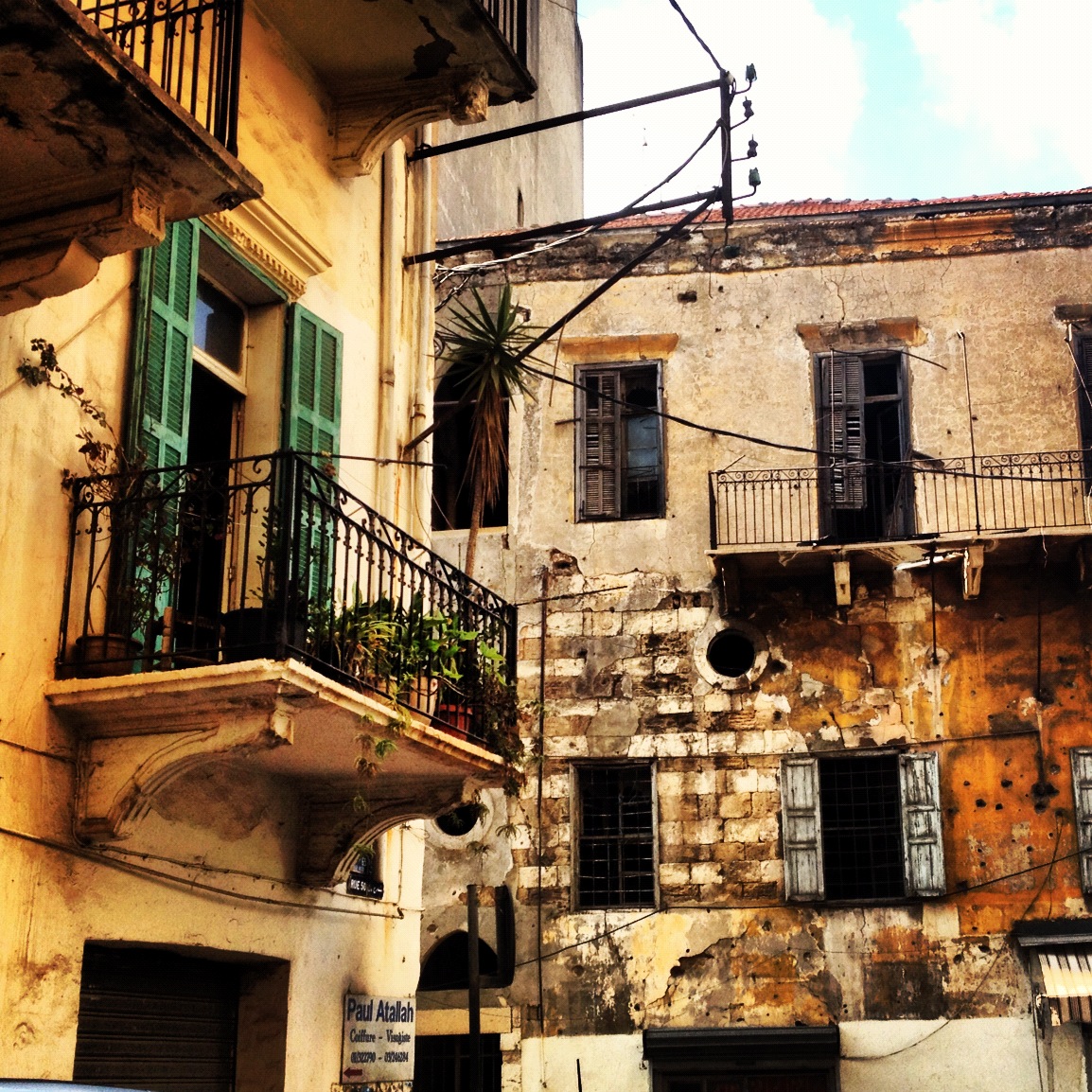
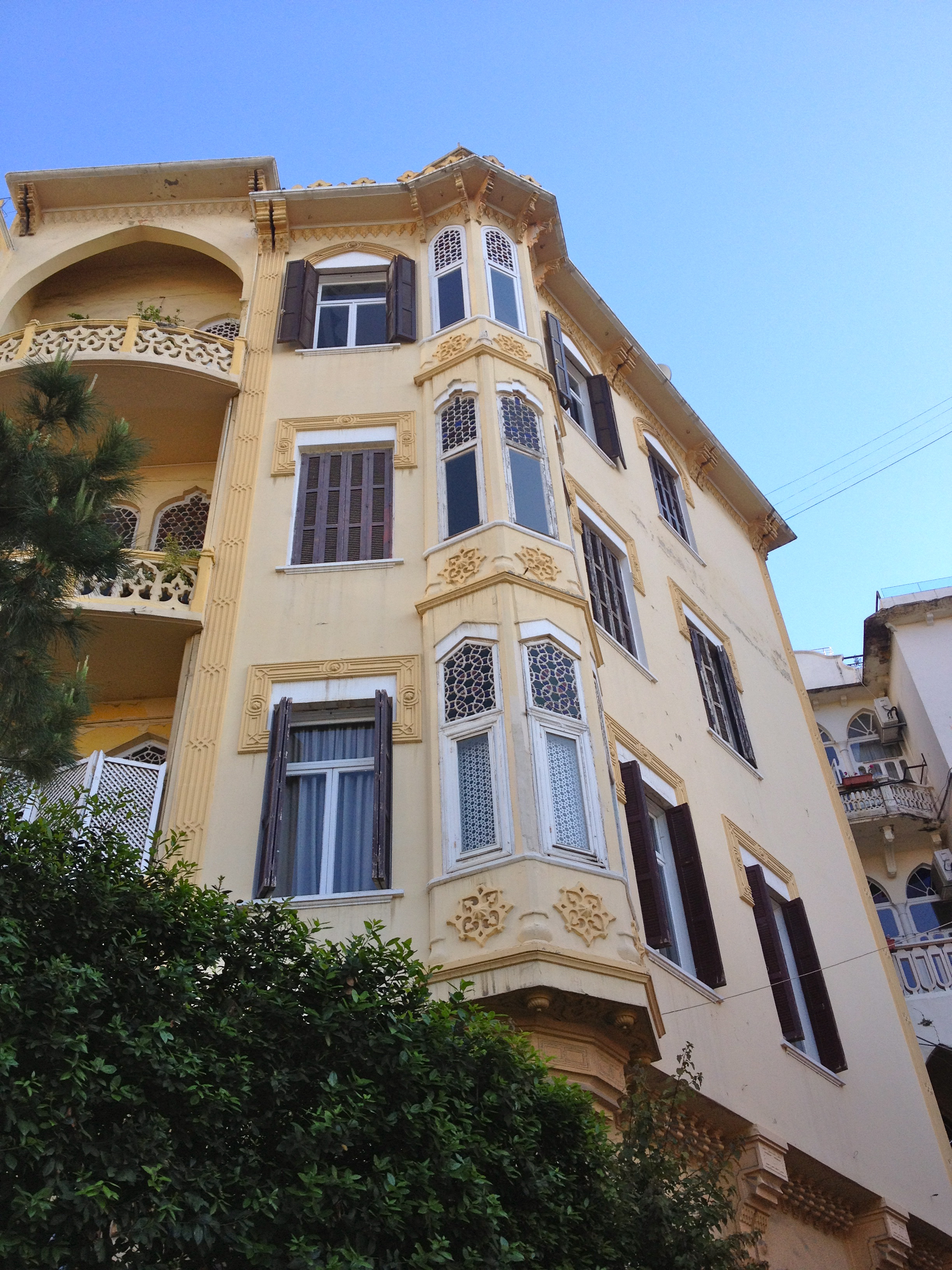
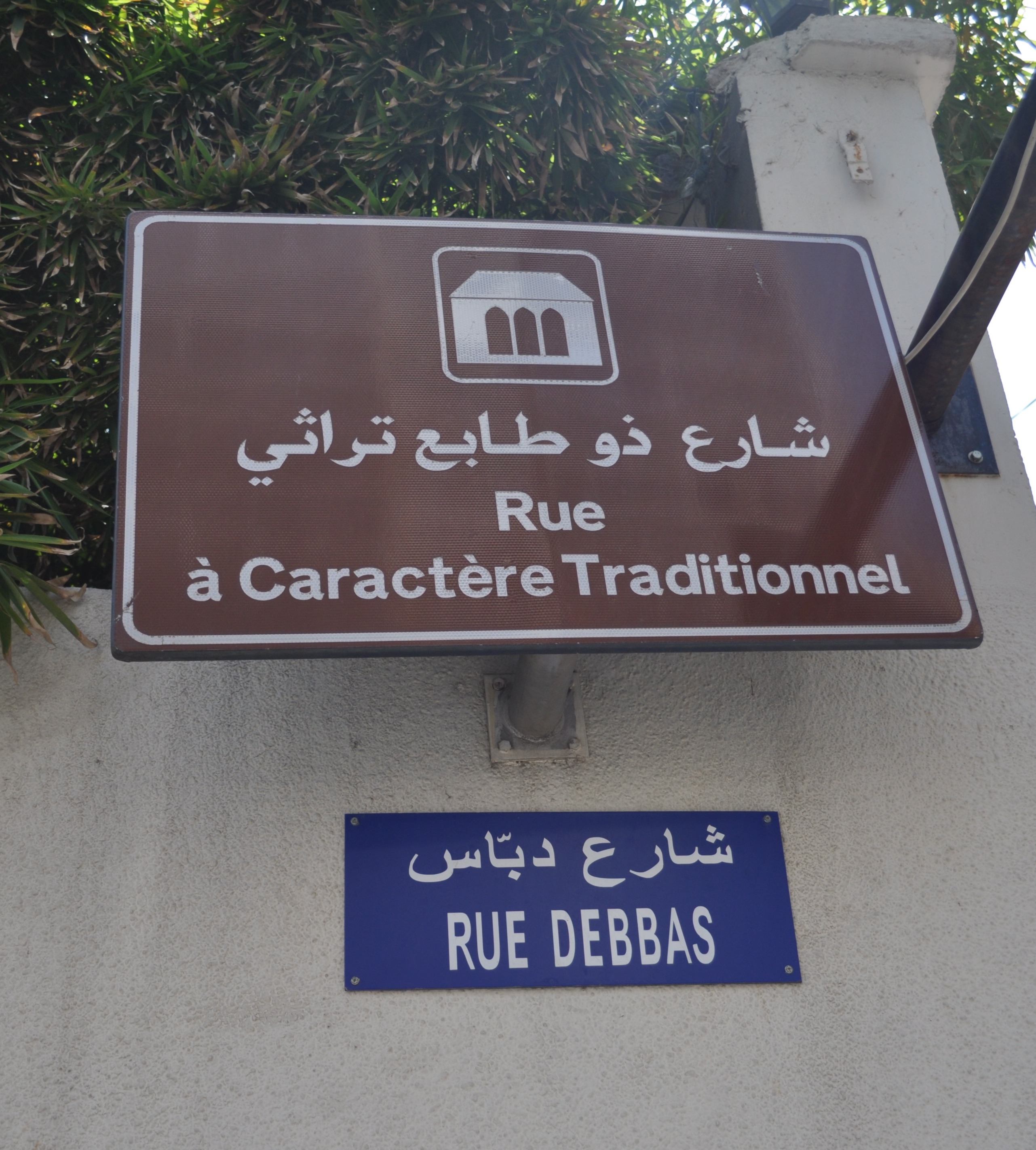
 Every once in a while, while wandering around Beirut, you will find one of these signs. It refers to architectural style that has been on the verge of extinction in our dear city thanks to various development projects and so-called urban planning. This street is Rue Debbas in Ashrafieh, home to the Cypriote Embassy and other little quaint residences.

DSC_0765

DSC_0752

And then there’s all the other little pieces of Ashrafieh, not just on Rue Debbas, that you never really notice unless you take the time to look around:

IMG_7135

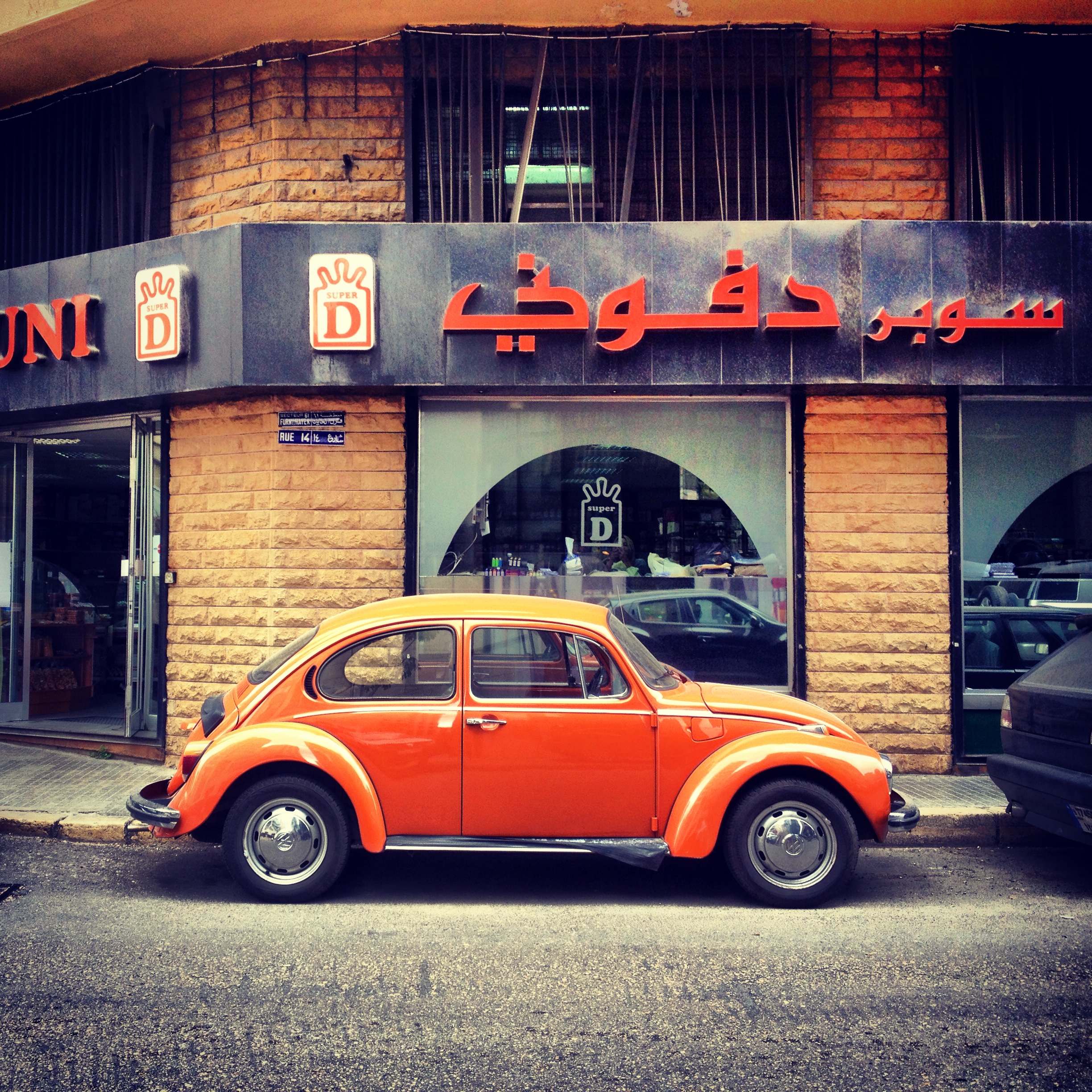
Dfouni Supermarket – best homemade chips & breadsticks (very fattening snacks)

IMG_7221

IMG_7424

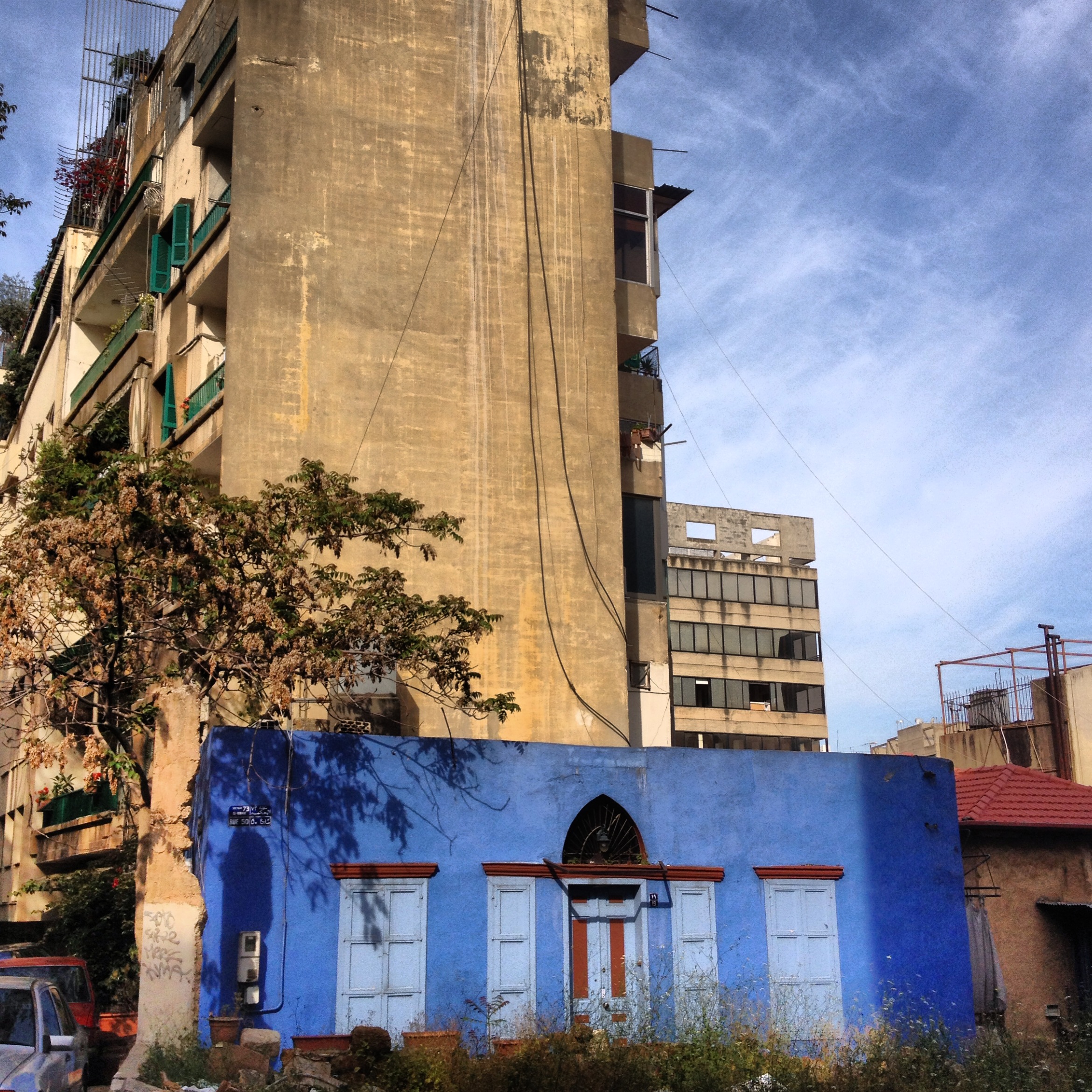
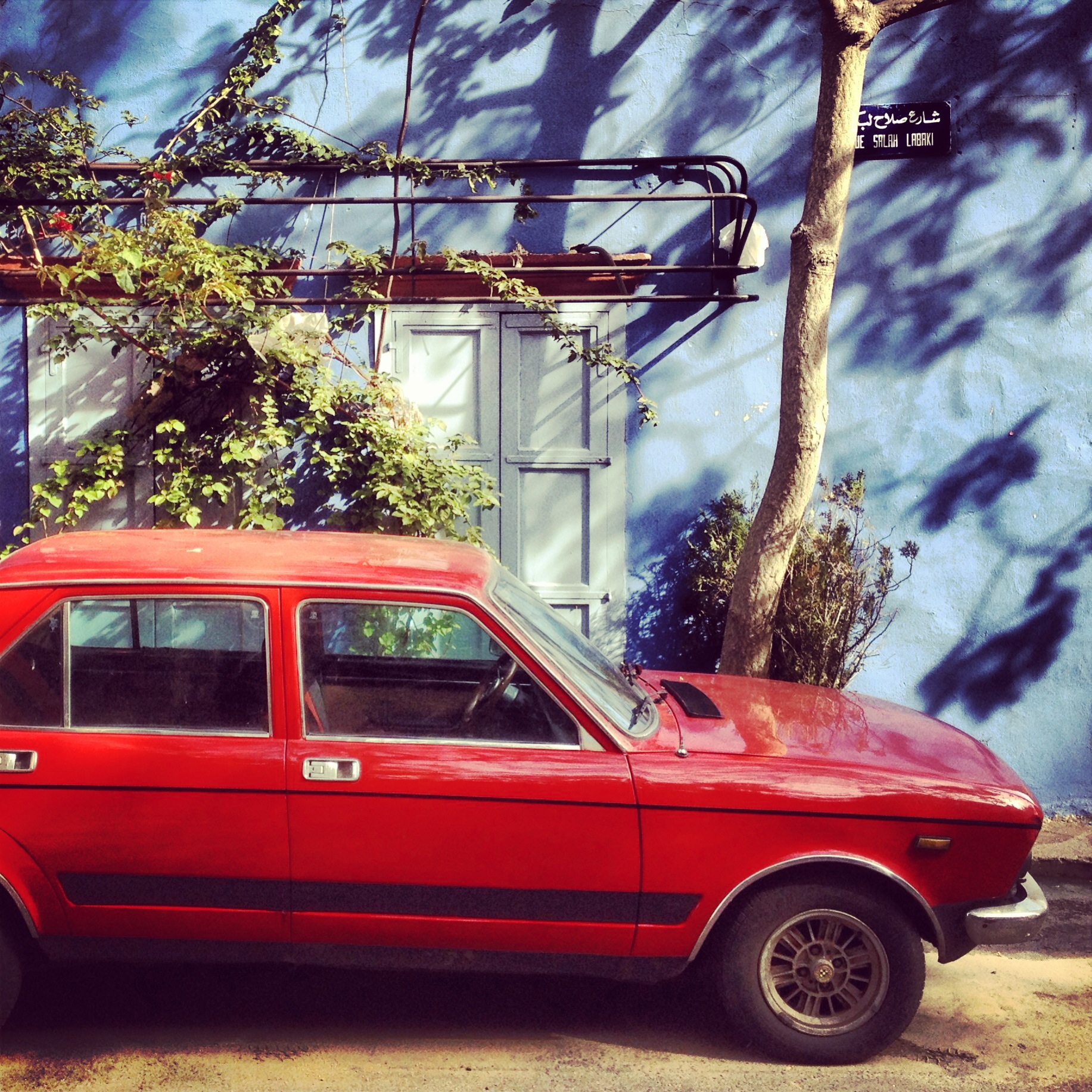
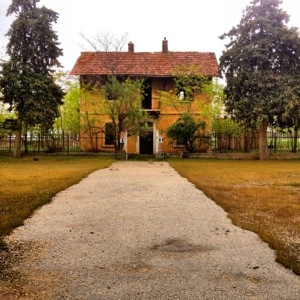
Little blue house on Rue Salah Labaki

IMG_7426

IMG_7451

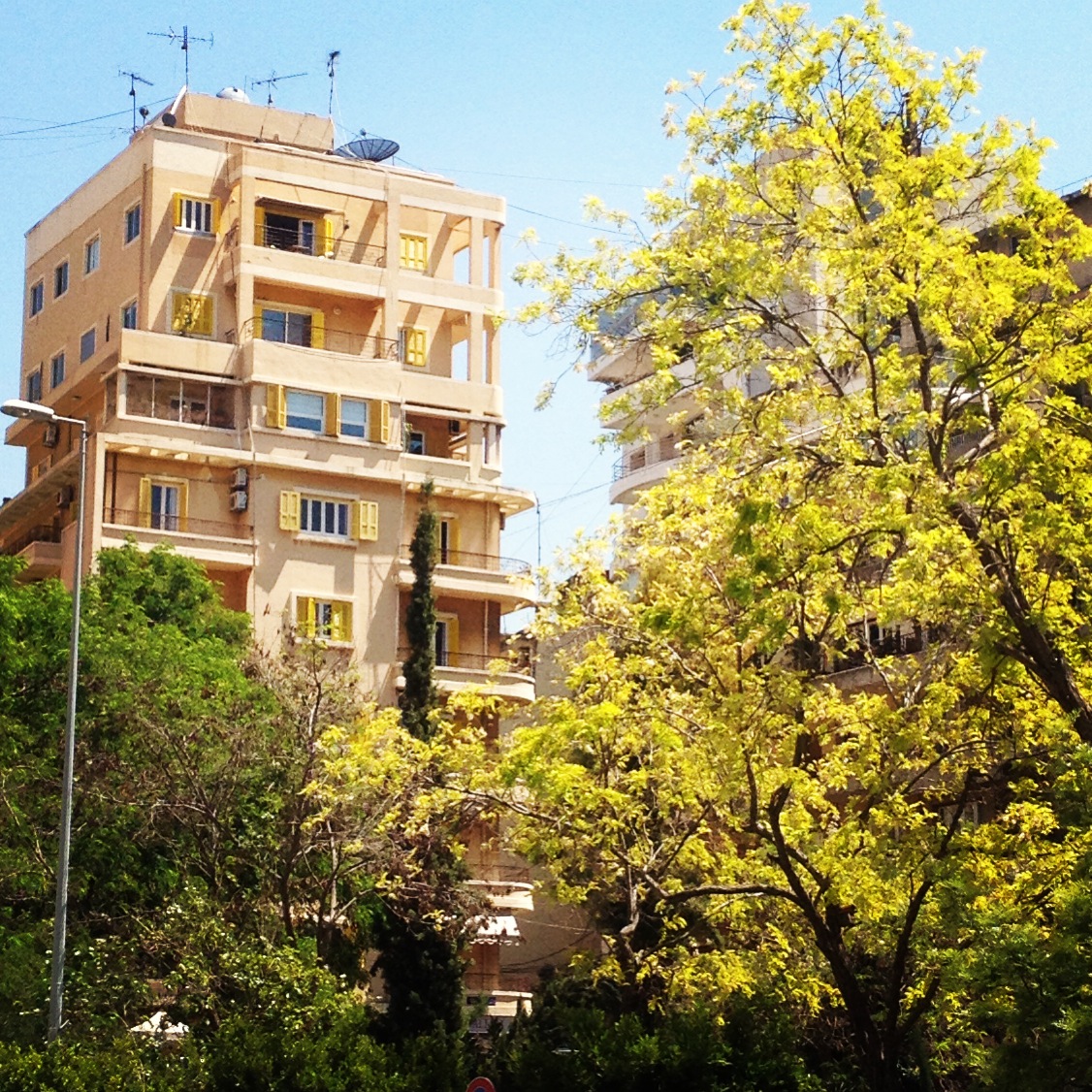
Yellow shutters overlooking Rene Mouawad Garden

IMG_7646

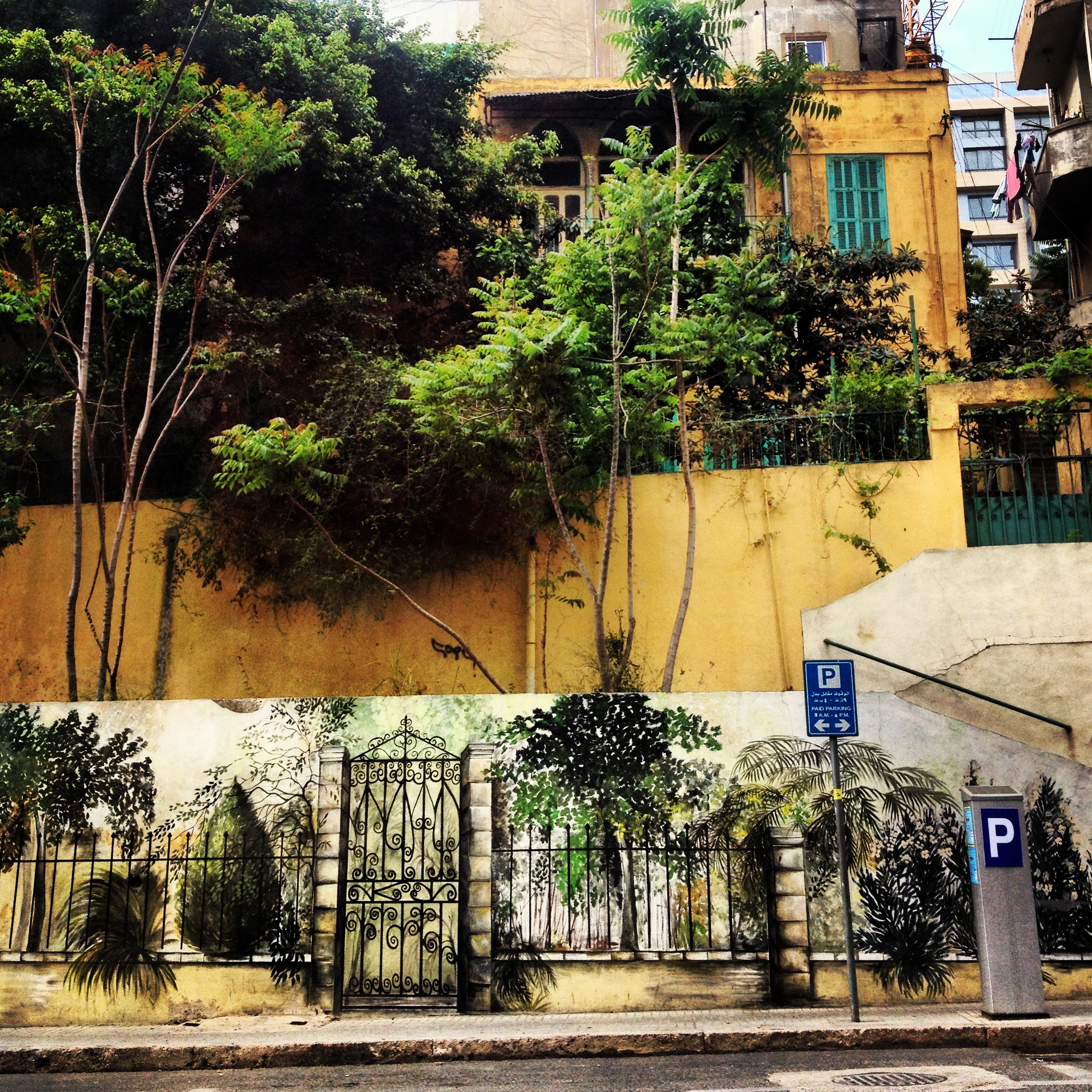
Painted Greenery on Charles Malik Avenue (Sponsored by Bank Med & Chateau Ksara)

IMG_7698

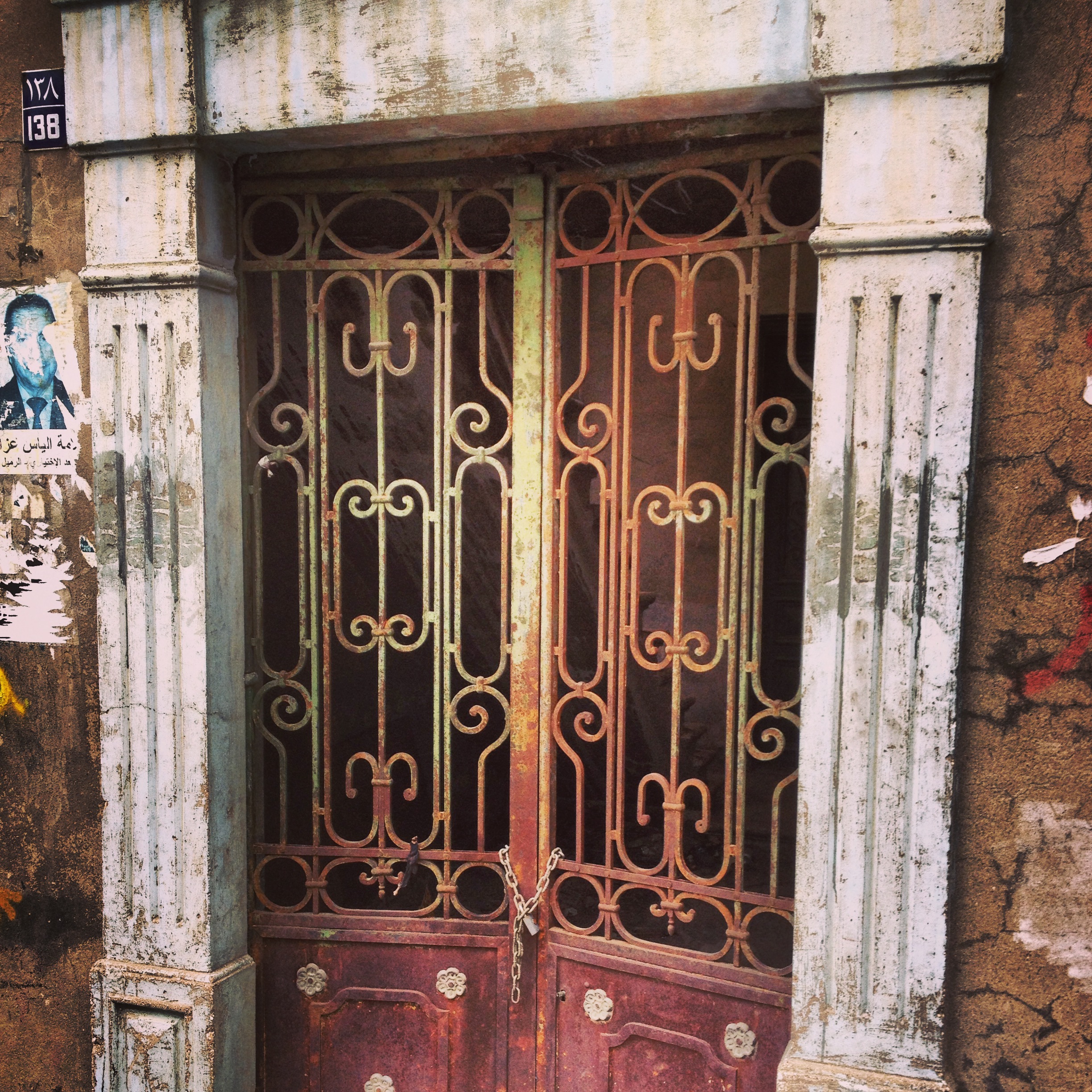
Old iron gates

IMG_2711

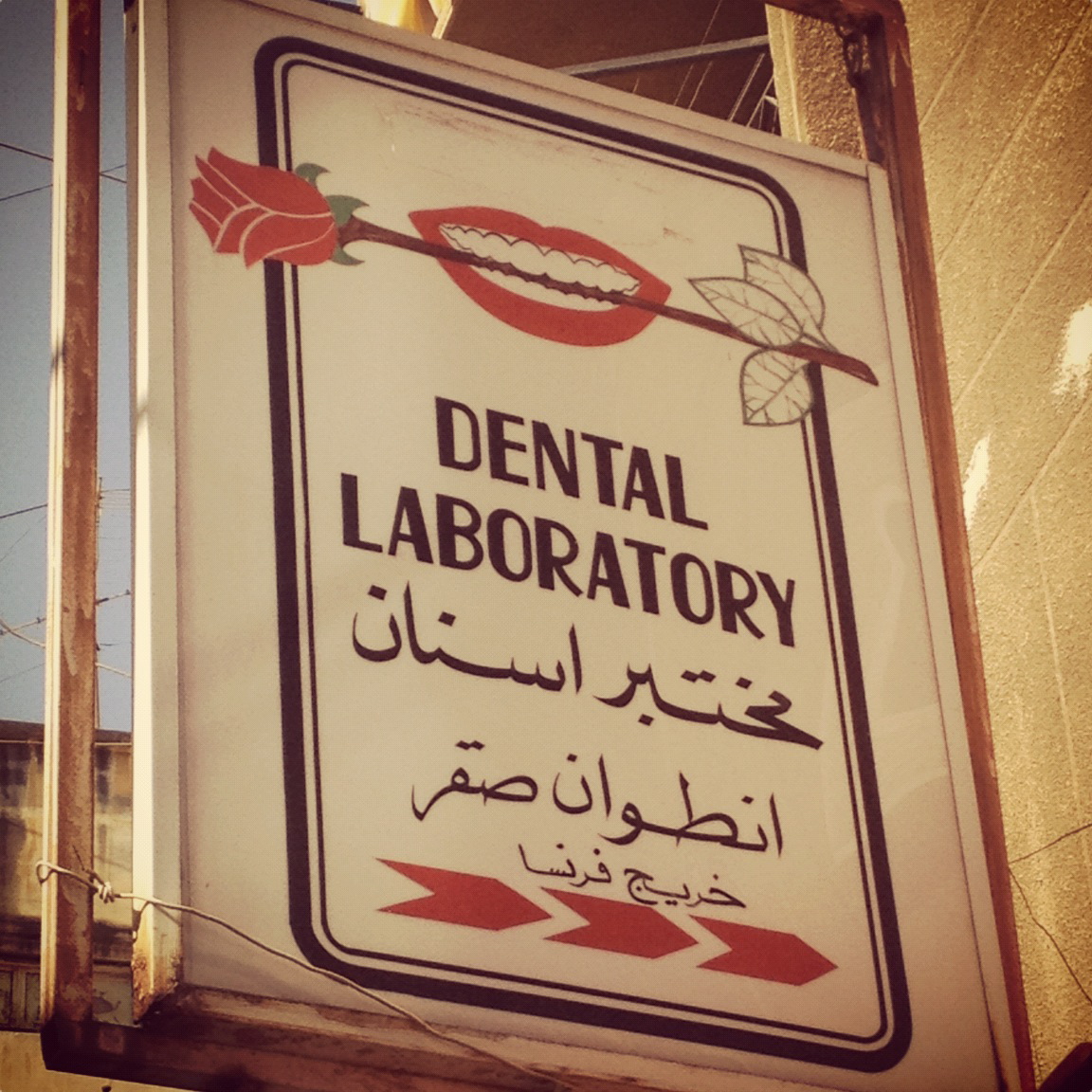
Vintage signs still going strong

IMG_2812

Geitawi houses

IMG_2885

Geitawi houses

IMG_2906

Ministry of Foreign Affairs

IMG_3086

IMG_3107

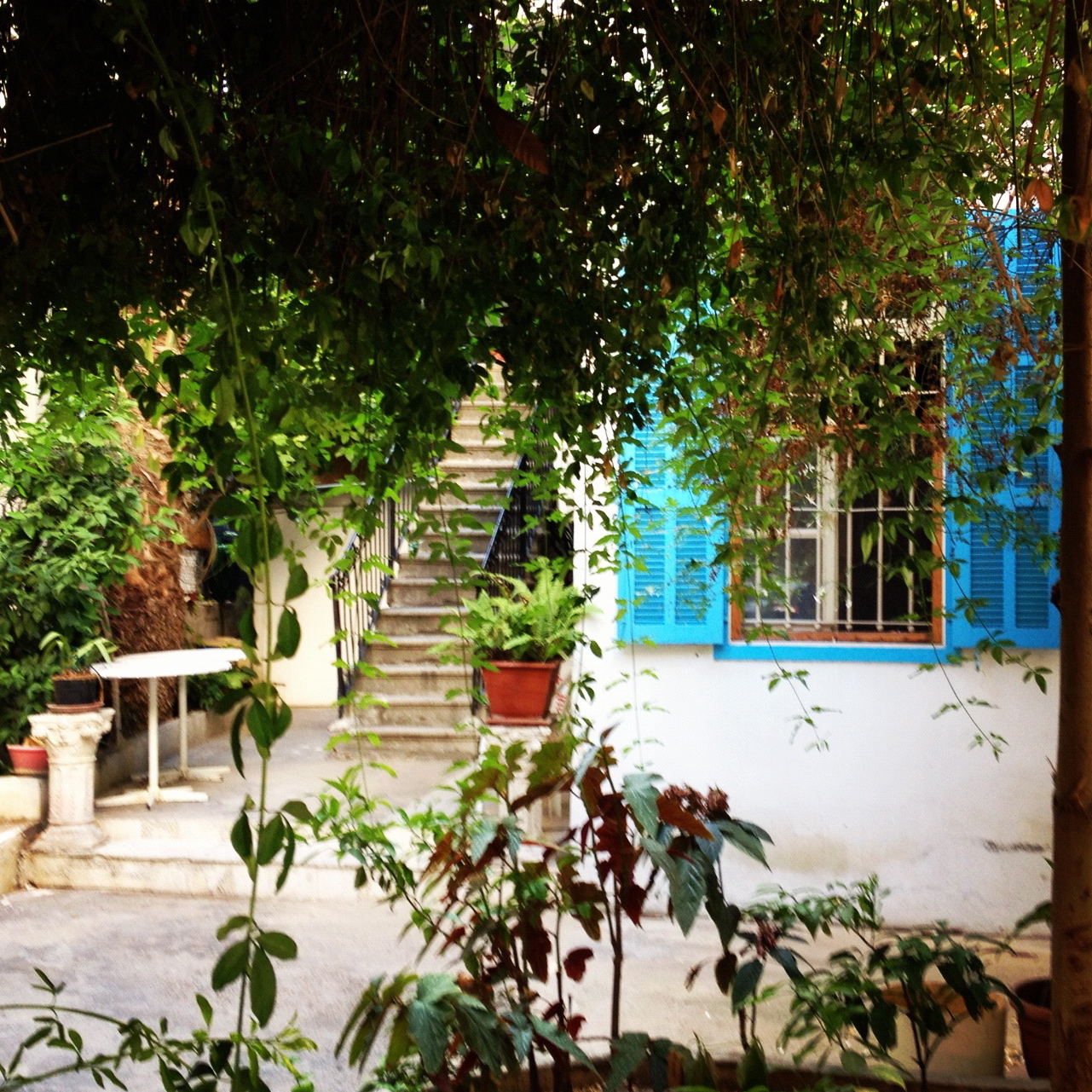
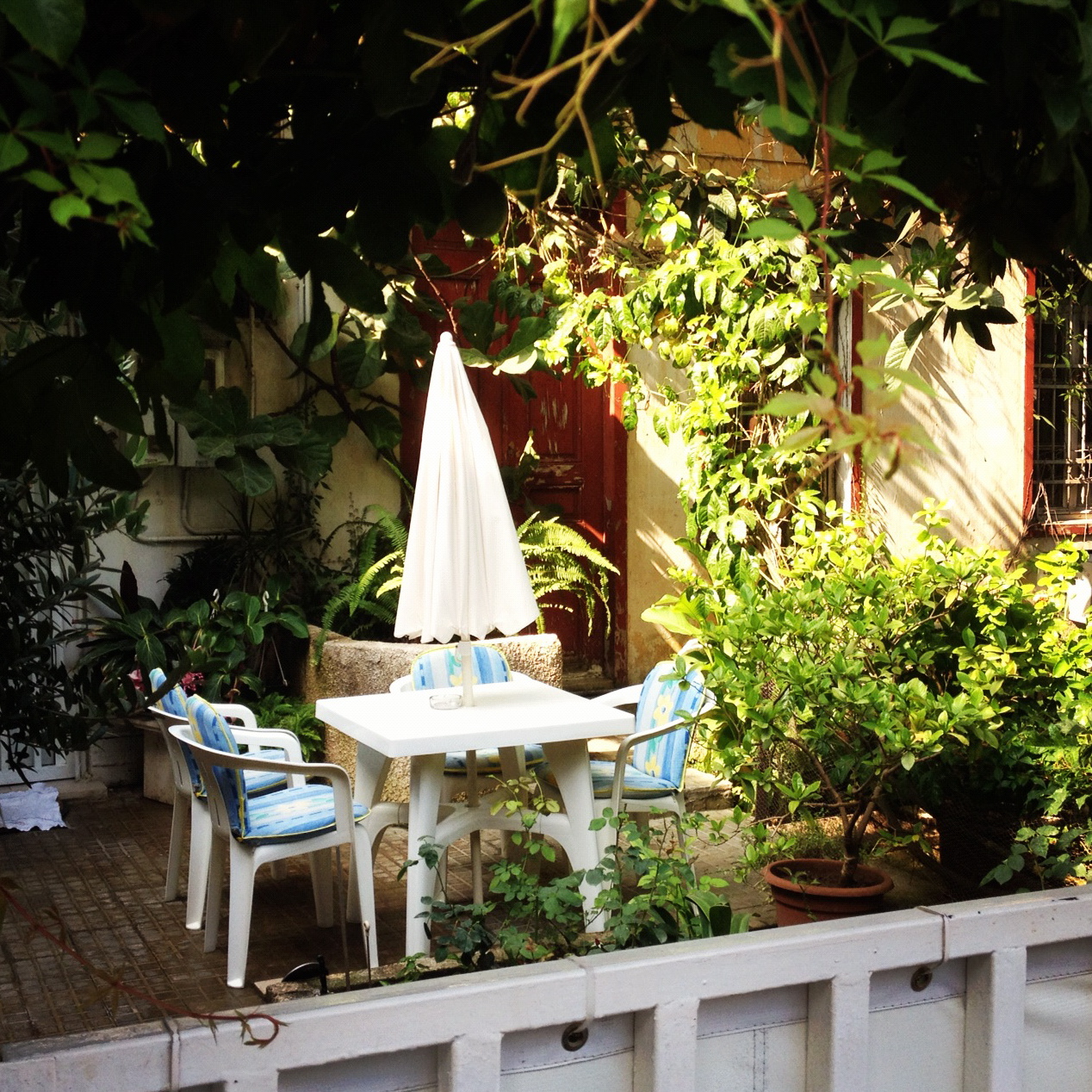
Courtyards

IMG_3108

Windows!

IMG_3128

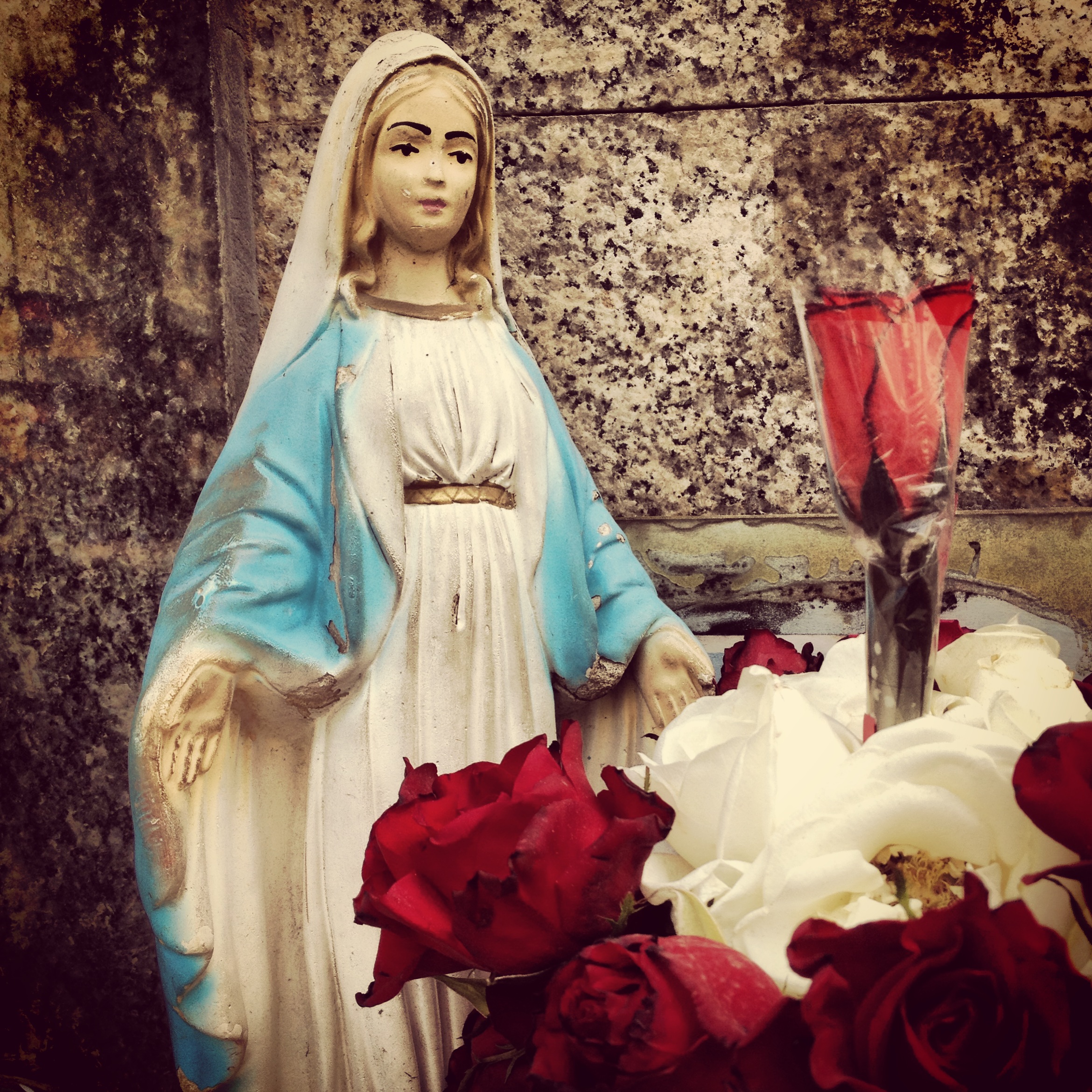
Sacred graffiti

IMG_3170

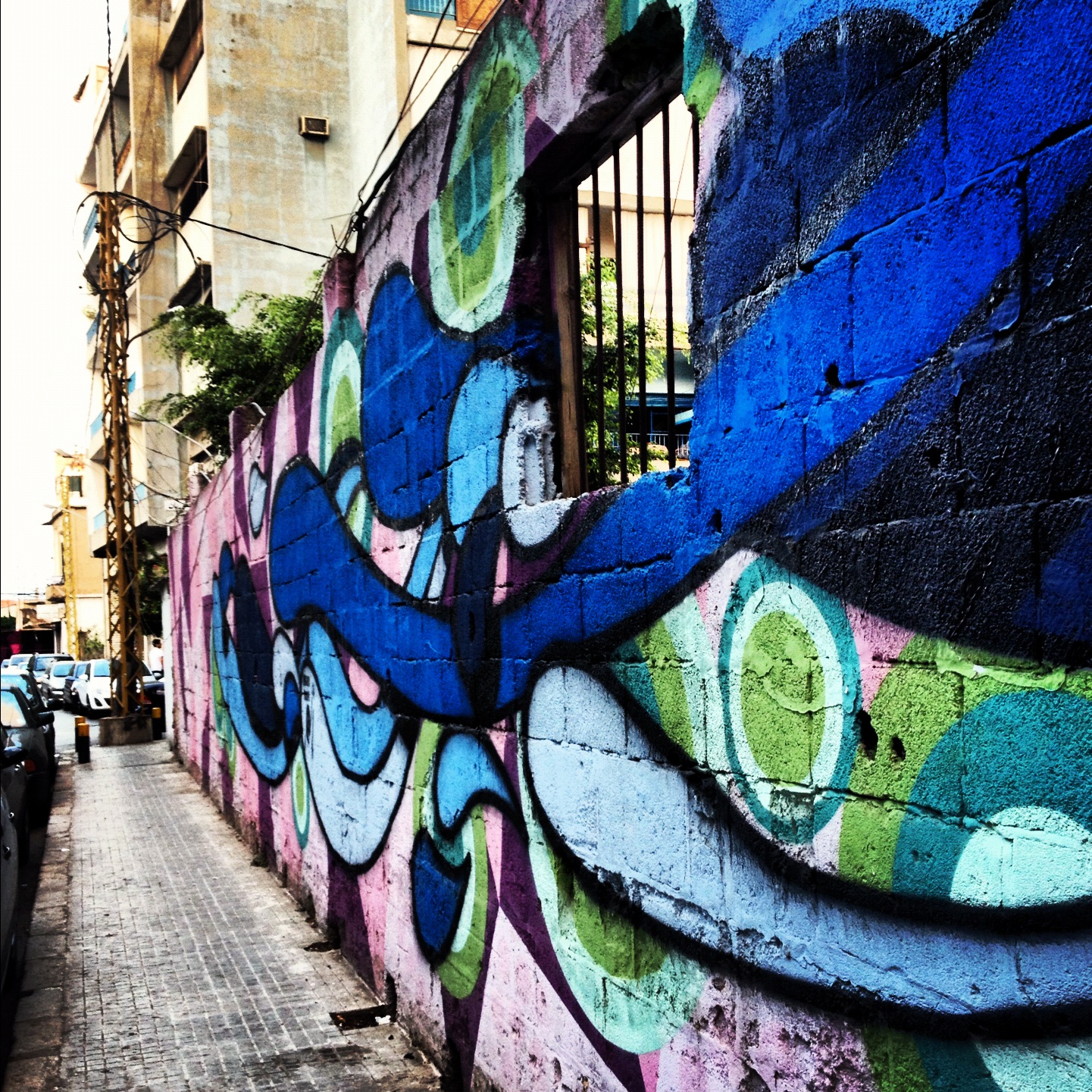
Colorful graffiti

IMG_3239

Layers of windows

 Stay tuned for more and/or tag along with me in Ashrafieh.

Game of Thrones: Meh.

Warning: this post is a semi-rant about the +18 TV series Game of Thrones. No point, I just need to vent.

  • Every episode is an average of 41 minutes of the same thing and it’s too slow. Tywin Lannister should throw his 3 advisory stooges into the dungeons, ship off his blaspheming blonde offspring, and let Dinklage rule. Tywin’s like Scar from the Lion King but without the beautiful mane and Jeremy Irons’ voice.
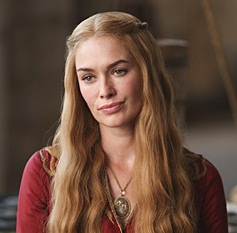
  • Cersei Lannister moves her mouth a la Kiera Knightley when she speaks only she doesn’t smile as much and I have this infantile urge to pull her hair. Granny Tyrrell is awesome which means Cersei will probably have her killed. It’s enough that they killed Baywatch Hawaii and now we’re left with the human incestuous version of Prince-Charming-from-Shrek as male eye-candy. Stop killing the ones people like.
  • The direwolves would be much cooler if they didn’t already make a guest appearance in the Twilight series. Also, Bran’s new warg friend would be more badass if we could forget him as the cute drummer kid from Love Actually but we can’t. And OF COURSE, we learn what a warg is in the same episode where we learn that Bran is a warg. How convenient.
  • Who’s the next Downton Abbey cast member to join GOT? My money’s on Sybil.
  • Although this is all fictional and it’s clearly gibberish, everyone would like to speak Valyrian and have an army of Dothraki. And your name will be Farrya Baratheon, originally of House Targaryen. No? Okay, it’s just me. I want dragons.
  • This show makes your imagination violent. You imagine deathmatches between characters. For example, Catelyn Stark destroys Cersei and orders Brienne to off that Fire Priestess chick because there’s only one redhead in this realm *snaps in Z-formation* And the eunuch kills Lord Baelish because of the beautiful irony of it: Brothel owner, who’s nickname is “Littlefinger”, dies by the hand of a castrated dude.
  • “Only the ladder is real. Climb is all there is.” Word.
  • Sansa needs to stop being manipulated by sweet boobyful Marjorie. You all know she’s evil, did the Tudors teach you nothing? Natalie Dormer never plays a good person.
  • “Why am I still watching this? Screw it, I’m gonna watch Scandal because I’m a gladiator in a suit.” – if this thought runs through your mind while watching an episode then we are on the same page and probably prefer stuff on the CW or anything with lots of guns and pinstripes.

BeBeirut: A Talk with Ronnie

IMG_7580

As promised last week, here is the mini interview with Ronnie Chatah of Walk Beirut:

1- How did WalkBeirut get started and what inspires you to keep it going?

RC: Several Lebanese historians (Samir Kassir and Kamal Salibi in particular) inspired me to try and bring the city’s past to life. While alive, they challenged Lebanese to appreciate their city’s history, too often neglected. I thought a story-based narrative of Beirut’s history would be an engaging way to carry on their passion for history.

2- Where’s your favorite spot in Beirut? Favorite stop on the tour?

RC: I personally enjoy telling the story of Wadi Abu Jmeel and Beirut’s Jewish community. It’s a neighborhood that goes unnoticed to foreigners and Lebanese alike. In many ways, it’s an important segment of Beirut’s mixed past – and a centrally located neighborhood – yet it’s a largely forgotten chapter of the city’s history. All that stands today as a symbol of that community is the Maged David Avraham synagogue, set to reopen this summer. And to stand in front of it and bring it to life is quite a thrill.

3- What’s your favorite memory from the many walks you’ve guided in the past 5 years?

RC: One of my favorite memories was an older Lebanese expat showing the group several photos of himself and his wife (who had passed away several months earlier) on a date at the St. Charles Cinema below the former Holiday Inn Hotel. He hadn’t returned to Beirut after 35 years, and his personal story touched the group, myself included.

4- What’s the best part about working as a walking tour guide of Beirut?

RC: Being told over and over by Lebanese and foreigners that prior to the tour, they had little appreciation for Beirut’s history, and were largely unable to access the city’s past simply by walking on their own. And that following the tour, they genuinely fall in love with the city’s story. I suppose the tour serves a valuable purpose – bringing otherwise neglected neighborhoods, buildings, sites etc. to life. I’ve done my best to keep it a fun, pedestrian-friendly experience. I believe I’ll keep offering the tour so long as Beirut is safe enough, and interest remains.

5- What do you wish for the youth of Beirut & Lebanon as a whole?

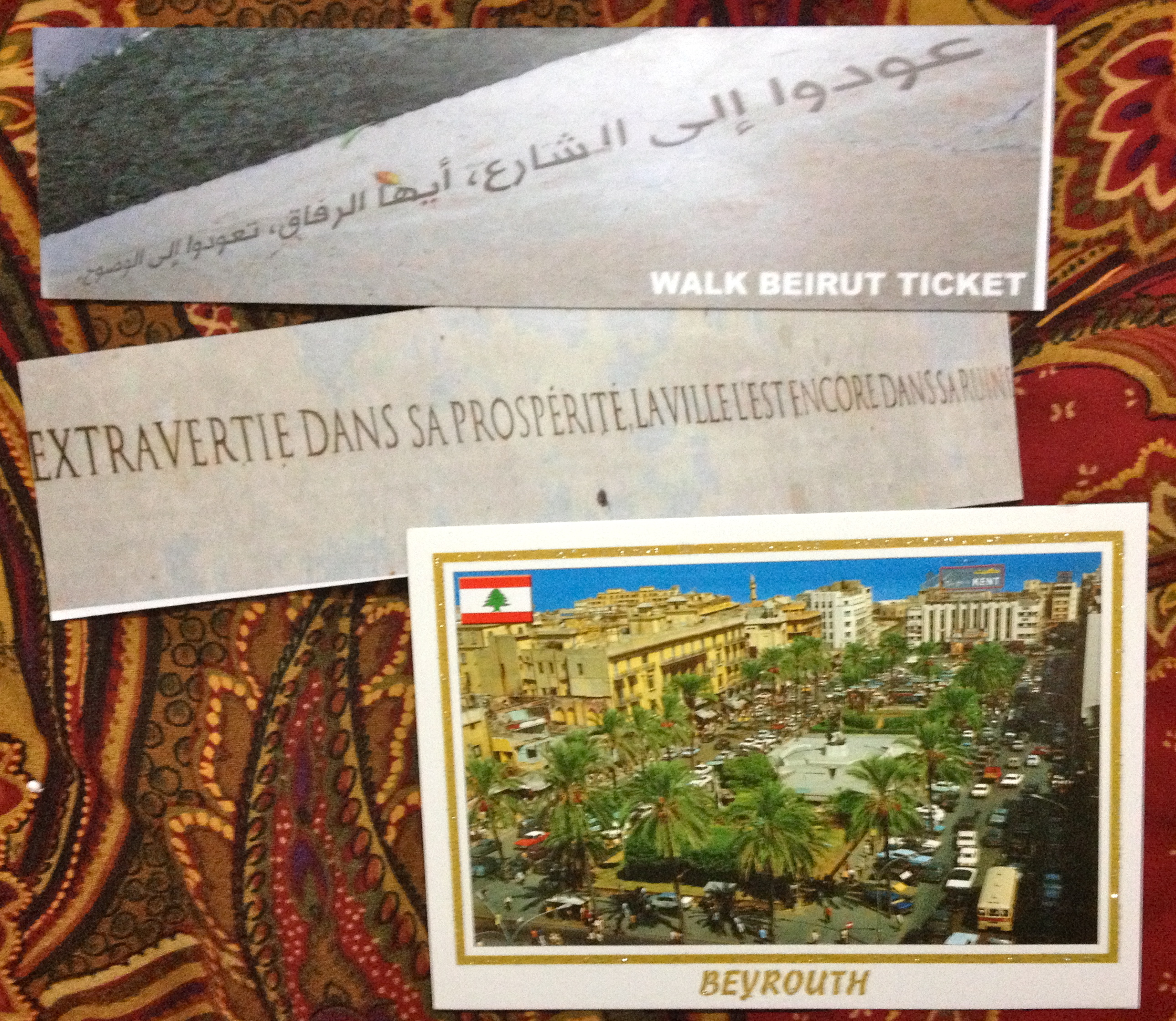
RC: To break the cycle between wealth and decay, that too often pushes Lebanese to neglect their history. I take a lot from Samir Kassir’s writings, and the quote in French I include at the end of the tour, “Beyrouth, extravertie dans sa prosperite, la ville l’est encore dans sa ruine,”* is something we can all learn from.

*Beirut, extroverted in its prosperity, the city is still in ruins

You can find Walk Beirut online here and check out their Facebook group here.

BeBeirut: A Walk with Ronnie

IMG_7569

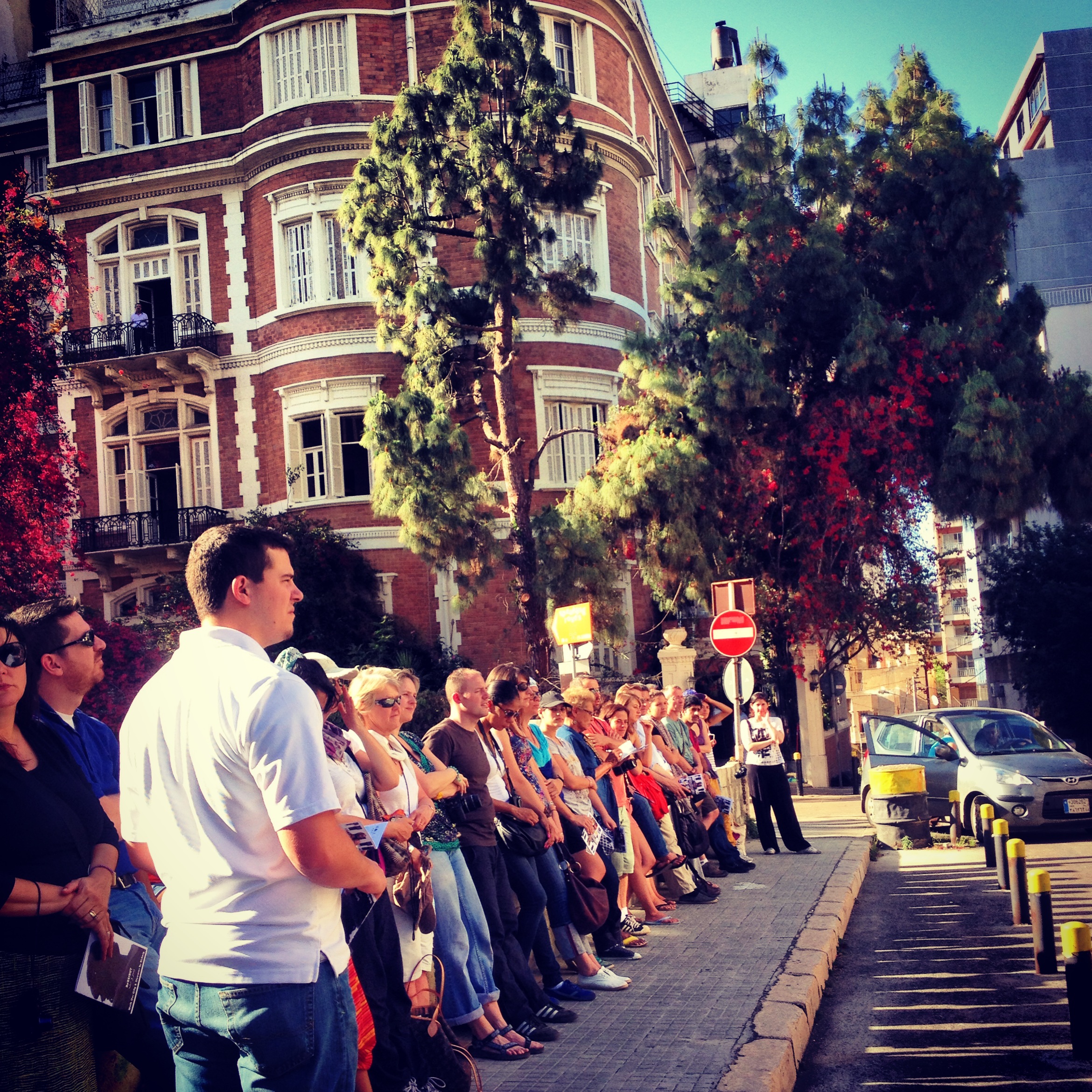
Ronnie telling the story of Martyrs’ Square

Ronnie Chatah, founder of Walk Beirut, used to run a hostel in Hamra located behind Makhfar Hbeish. He also used to give his guests a walking tour of the city as part of their stay. Back then, the tour would last up to 8 hours. Gradually over time, he was told he had a knack for being a guide to the city and decided to branch out creating an official walking tour open to all willing to spend part of their weekend exploring the city on foot. Walk Beirut has been going for 5 years now; the stops have changed with time depending on the level of relevance of neighborhoods and safety issues. It was initially launched in 2006 but went on hiatus after the July 2006 war with Israel. Now going continuously since 2009, Walk Beirut is a great way to reignite the love of your own city or to discover it as a foreigner – even if you’ve lived here all your life. Tours now last around 4 hours and you need to reserve a spot ahead of time (tickets are $20/person). You can find them online here and check out their Facebook group here and I will be posting a mini interview with Ronnie within the next few days.

IMG_7558

The harem rooms are the solitary rounded windows sticking out, Ottoman architectural influence

The tour is more like listening to a story about our beloved city with a buried past. Ronnie touches on a lot that is wrong with the country but in an entirely factual manner; a very “it is what it is” bittersweet ode to how the city has been crippled by exterior forces but mostly by itself yet still remains to get under your skin. From the architectural influence of the Turkish and the French to the reason we still use American dollars as currency, there are many factoids that even locals will find surprising. For example, the original rotating rooftop bar was at the Holiday Inn, the almost-40-year-old relic towering behind the Phoenicia Hotel. Home to “the original SKYBAR” as Ronnie put it, the hotel was only operational for one year before the civil war broke out.

IMG_7568

Foreigners in front of Trad “Boutique” Hospital

The tour caters mostly to tourists – I met a Dutch freelance photographer, a few Americans, and two British ladies vacationing here after one had won tickets to stay at Le Gray at an auction in the UK. I found it disconcerting that foreigners seem more heartbroken by our history than our own people. In Samir Kassir’s “Beirut”, Robert Fisk wrote, “I am suspicious of foreigners who tell me they love Beirut. I love the life I live in Beirut, but I think you have to be homegrown – or at least Arab-grown- to claim a city like Beirut as an amour.” It can be argued that those who visit do not have to endure the everyday troubles that residents deal with; they can live in the romantic fairytale and leave before reality strikes. Plus, they probably don’t deal with electricity cuts. Beirut is a self-loathing lover you don’t want to leave because you know she can be beautiful if she just opens her eyes and tries – magical in all her attempts to shine no matter how many times she falls. However, it is still upsetting that foreigners are moved by the story of Martyrs’ Square, a piece of our history that seems to have been neglected. One phrase stuck with me personally during the walk through the ruins of Roman baths located below the Ottoman-built Grand Serail Parliament Palace and literally underneath the French-built bank buildings: “We chose reconstruction over preservation.” We have chosen reconstruction over preservation in the past one too many times, maybe it’s time to preserve our country’s legacy instead of restoring its self-destructive patterns.

We should appreciate the contradiction that makes us so dysfunctionally wonderful but we should work to better it because our beautiful country is sinking again, and we can’t continue to blame others for its fate. As unfair as it may be, it is up to us – the youth- to change things. We need to resuscitate and revive the Beirut that is asleep beneath the ruins and damaged exteriors. Complaining may make you feel better about a current situation but that only gives temporary alleviation; making the decision to change is the only solution for improvement. Lebanon, you are so frustrating only because of your wasted potential. I want more for you. You are richer than any nation because you have culture, history, and pride – things that cannot unnaturally emerge from the sands: they flow in the veins of your people and in the waters that wash away layers of destruction every few years.

Enough drowning, it’s time to swim.

Going Off-track: Rayak Train Station

IMG_7360

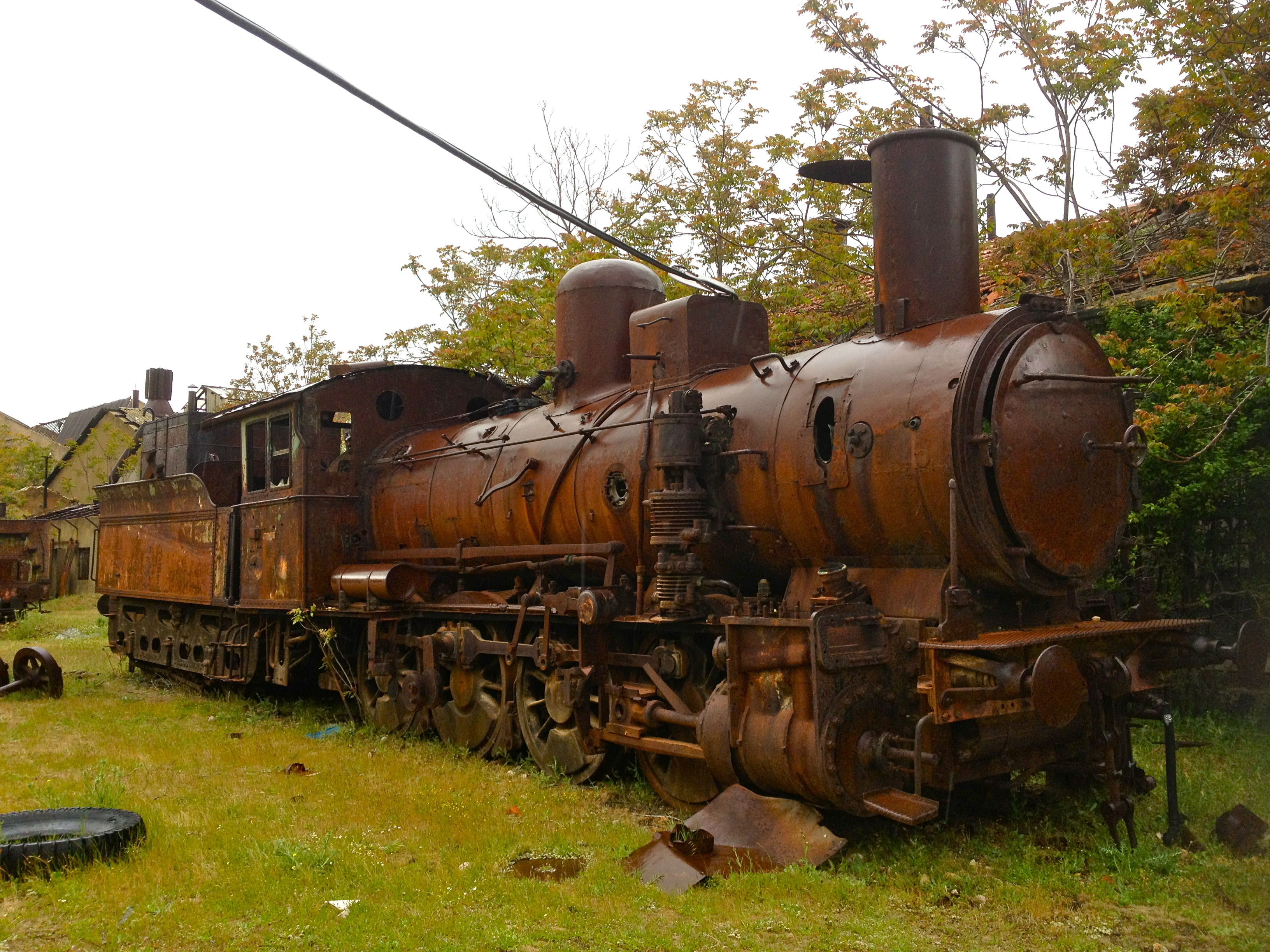
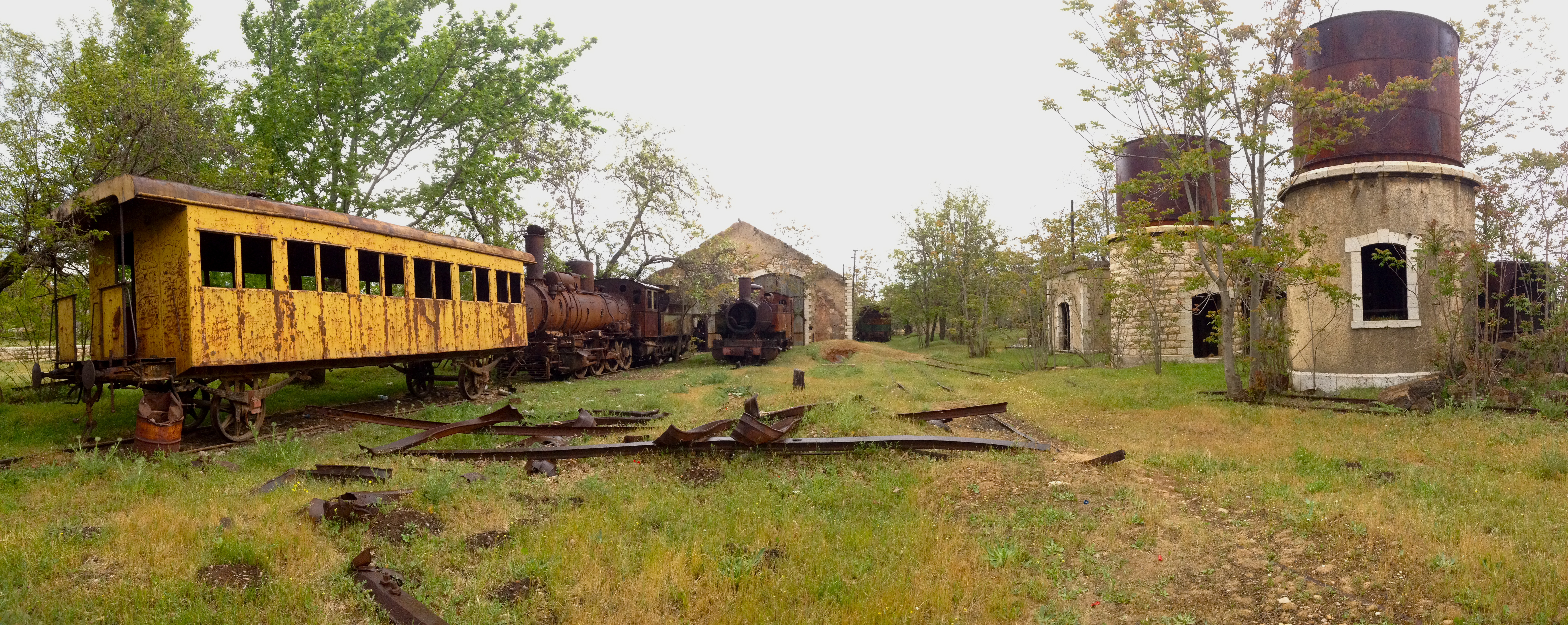
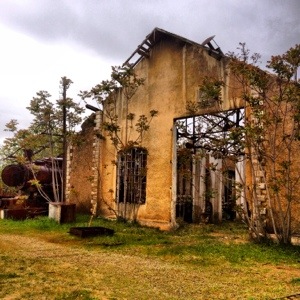
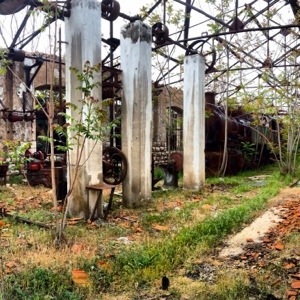
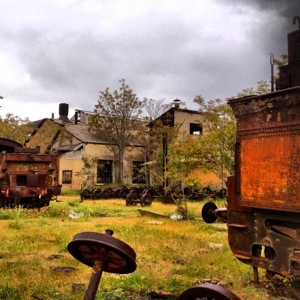
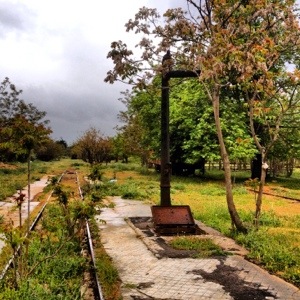
After a day at the AUB farm (AREC DAY), a few friends and I took a detour to the Rayak Train Station, located in the Bekaa Valley past the Rayak Air Base. Rayak (pronounced Riya’) is home to one of the many abandoned train stations (and a factory) of Lebanon. The line, that used to run from Beirut to Damascus, was the 1st railway built in Lebanon back in 1891. This was before the country was “independent” and was still under Ottoman rule. The dilapidated remains of the station are frozen in time. It’s a lot like how you would imagine a war zone after a ceasefire; everything is where it was before the war, only it’s aged, rusted, and beautifully decayed.

The caretaker on site there told us that a permission slip from Mar Mikhael in Beirut was needed to access the grounds but we pleaded and he allowed us to roam around a bit while advising us not to enter any of the buildings because it was dangerous due to the rain. When we asked him why the supposed project for a Rayak Train Station Museum seemed to be put on hold, he seemed quite discouraged. The way he put it was, the project, though ambitious and worthy, needs financing and the people in charge of our country aren’t willing to fork it over for something that isn’t seen as a priority. It seems that if this project were to ever see the light of day, it would need some wealthy private investors. It is sad that our country does not seem concerned with the preservation of such sites – remnants of our rich history and grounds related to our past. If there are no plans of renovation or innovation when it comes to public transportation, we should at least cherish the graveyards of days when we did have such machinery running along our coast.

IMG_7374

click to enlarge

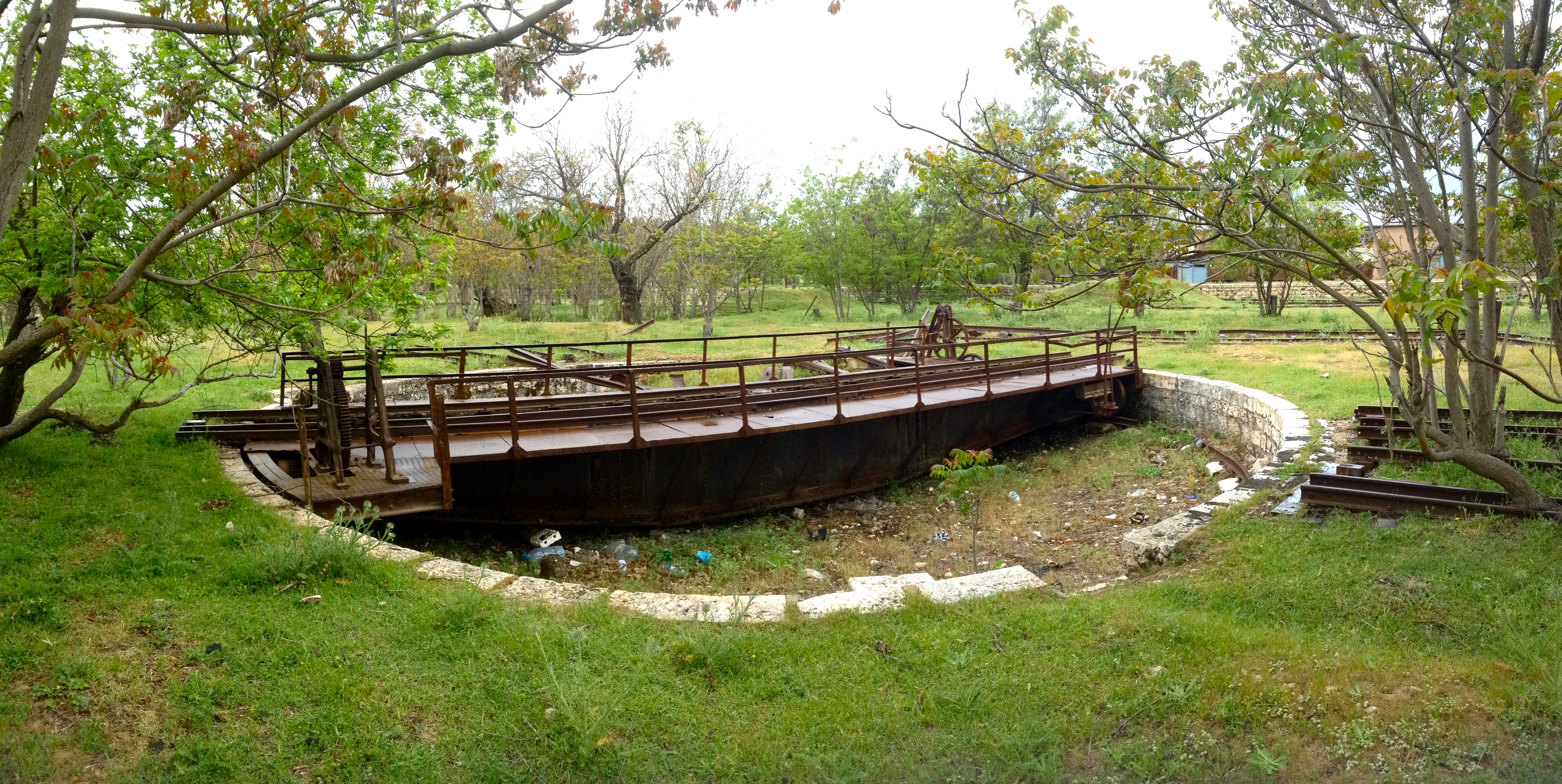
IMG_7381

Railroad Switch (click to enlarge)

20130425-003705.jpg

20130425-003655.jpg

20130425-003422.jpg

20130425-003613.jpg

20130425-003721.jpg

20130425-003741.jpg

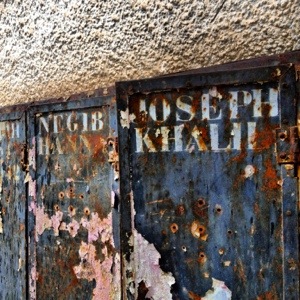
Old lockers

There has been talk of a museum, a documentary, and even getting the trains back on track. Unfortunately, talk’s all that seems to have happened since such things were written in a TimeOut Beirut article almost 3 years ago. Elias Boutros Maalouf from Ecuador (familial roots from Rayak) put together a study called “The Rayak Train Museum Proposal” in 2009. The document, in French, English, and Arabic, describes a plan for a museum for all the Lebanese railways. You can check out the whole thing here. Some tidbits from the proposal:

  • “By 1912, it was a vital cog in an intercontinental rail system that spread throughout Europe and Asia and, by the 1940s, linked Europe and Africa.”
  • “In the beginning of August 1895, the first train took off from the port of Beirut to Rayak railway station.”
  • “Rayak was famous for having one of the biggest train factories in the world at that time. It was later well known for designing and reassembling old steam engines that worked on charcoal to work on fuel.”
  • “In 1976, the railway was shut due to the civil war, ending more than 85 years of success and achievements.”
  • “In World War II, this factory was used as a military base in which military weapons were fixed. At that time a group of engineers from both the train factory and Rayak’s Military Airbase were assigned to build airplanes for the French military. Some of the airplane parts were manufactured and designed in Rayak’s train factory. They were then taken to Rayak airport to be assembled to their new chassis, and, Rayak’s first airplanes conquered the sky.”

I contacted Mr. Maalouf to ask what has come of this project since there was no recent news of it. Apparently, he has completed the Lebanese Railways documentary but he’s still waiting for the opportune moment to release it. Three weeks ago, Train/Train, the NGO he co-founded, met with Gaby Layoun, the Minister of Culture, to discuss the project – however, they have yet to hear back from the Ministry since. Officials from the Ministry of Transport, on the other hand, visited Rayak last week with a freight truck company to see to plans of a truck hub at the station – an effort that Train/Train would like to thwart. Train/Train Lebanon are “working on preserving the past and building the future of the Lebanese Railways.” You can follow them on Twitter and check them out on Facebook.

Another site to check out is CEL – Chemin de Fer de l’Etat Libanais; it has information on the railways including timetables, postcards, and photographs all collected by Børre Ludvigsen.

5 Conspiracy Theories You Never Think About

1. Movie Star Foreign Accents

You’re a celebrity who’s spent their life reading English scripts, you’ve been in an English speaking country for over 20 years of your life, and you still speak with a thick accent or improper grammar. Look, if my dad can talk like he grew up in Brooklyn when he’s actually from the Jnoob (South Lebanon) while only making rare mispronunciations with certain words due to his French high school education, then Salma Hayek and Jackie Chan can cut the bullshit. I’m so sure they speak with perfect accents but Salma knows it makes her sound sexy and Jackie – well, I can’t explain that one because it’s just annoying. The only person who should be allowed to get away with this is the Governator because it makes him the Governator.

2. The Hipster Loop

If everything’s too mainstream for you, you’re a hipster. So when hipster becomes mainstream, are you a hipster hipster? Or does it cancel out and you go back into the mainstream category? And if all hipsters don’t like anything mainstream doesn’t that effectively become a mainstream ideology? Therefore, there is no real hipster culture, just people in Converse, plaid pants, and black frames talking about quinoa tabbouli. Just eat the borghol.

3. Space Station Life

There has been talk about people living on space stations since…the 1980s? Let’s just say the 1980’s thanks to Kubrick to sound sophisticated. In reality, ever since you saw Zenon on Disney, you thought you could wear horrible neon styrofoam lined clothing and put tin foil in your hair. You could live in a floating watergun in space. By 2049, you’ll be dreaming about Earth’s simpler times, tracking down vintage Chuck Taylors, growing synthetic tomatoes in test tubes and humming Protozoa’s classic hit. It’s all lies. You’ll be doing exactly what you’re doing now and absolutely nothing would’ve changed except that everything is owned by Apple and Oprah.

4. Unfinished BIC Pens

Where do they go? In your academic and professional life, how many of these have you purchased? And out of that number how many have you actually finished and thrown away? Less than 2% – because you lose them. Or they’re borrowed and never returned (i.e. lent to friends and annoying peoplewho ask you for a pen  before an exam as you unzip your pencilcase so you can’t say no). Or MAYBE there are BIC elves stealing them to extract the ink so they can make robotic jellyfish more realistic in espionage missions. Totally not far-fetched.

5. Google & Facebook Employees

…know your deepest darkest secrets. They have access to your entire life. They read your message threads, your gchat transcripts, and they know how many times (and how much time) you spend on each person’s profile. Since they’ve become such big corporations, there is at least one person from your graduating class that is or will be working for them and will, as a result, have the ability to own you for life. Even with confidentiality contracts that bind them and keep them silent, you will never know what they’re really asking when they ask “so how’ve you been?” “Oh, I’ve been fine.” “Yeah, I know.”

…Uhm, what?

Bambi’s Boxes, Part VI

IMG_7236

New box found!

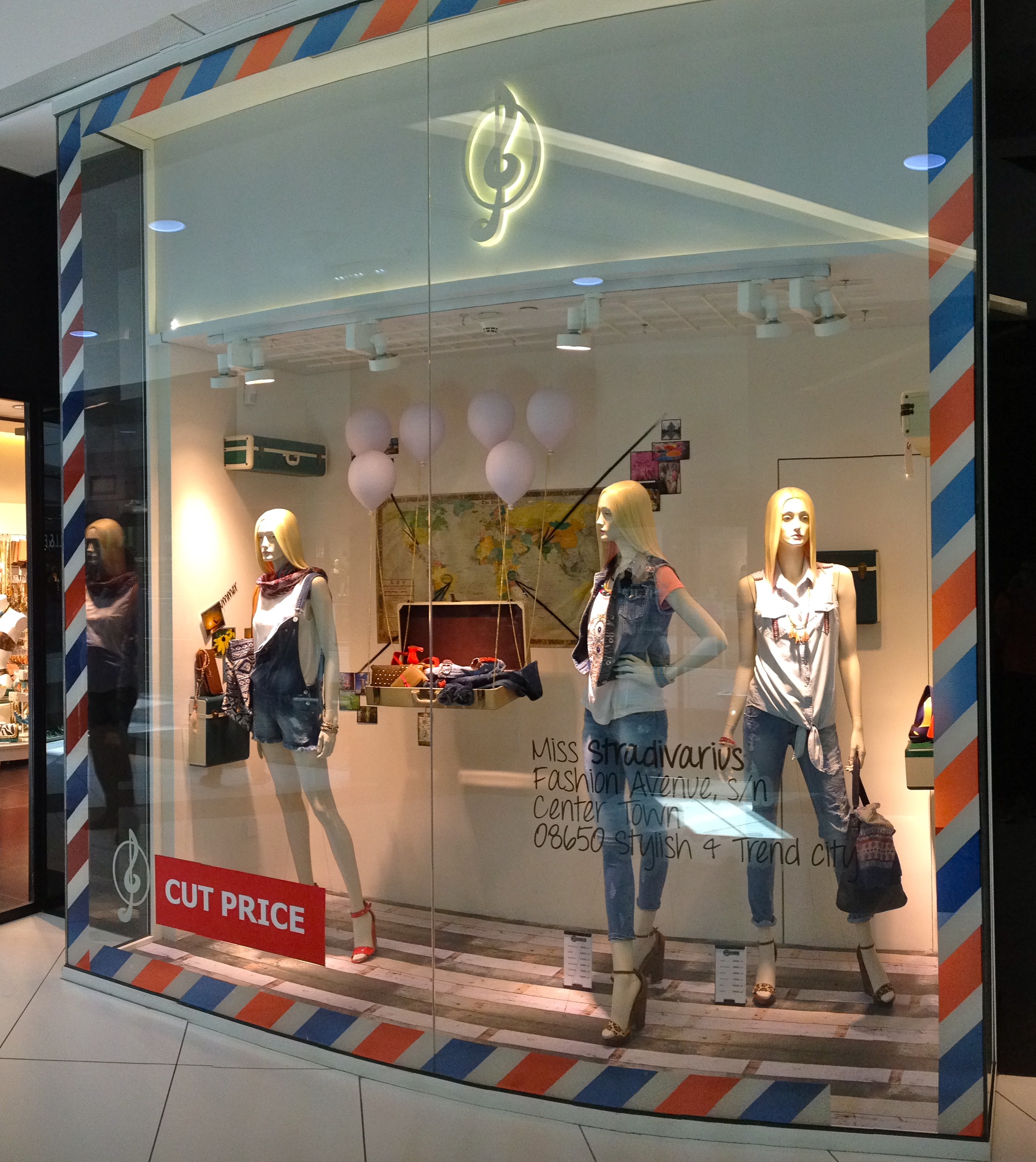
Location: Stradivarius, Le Mall Dbayeh

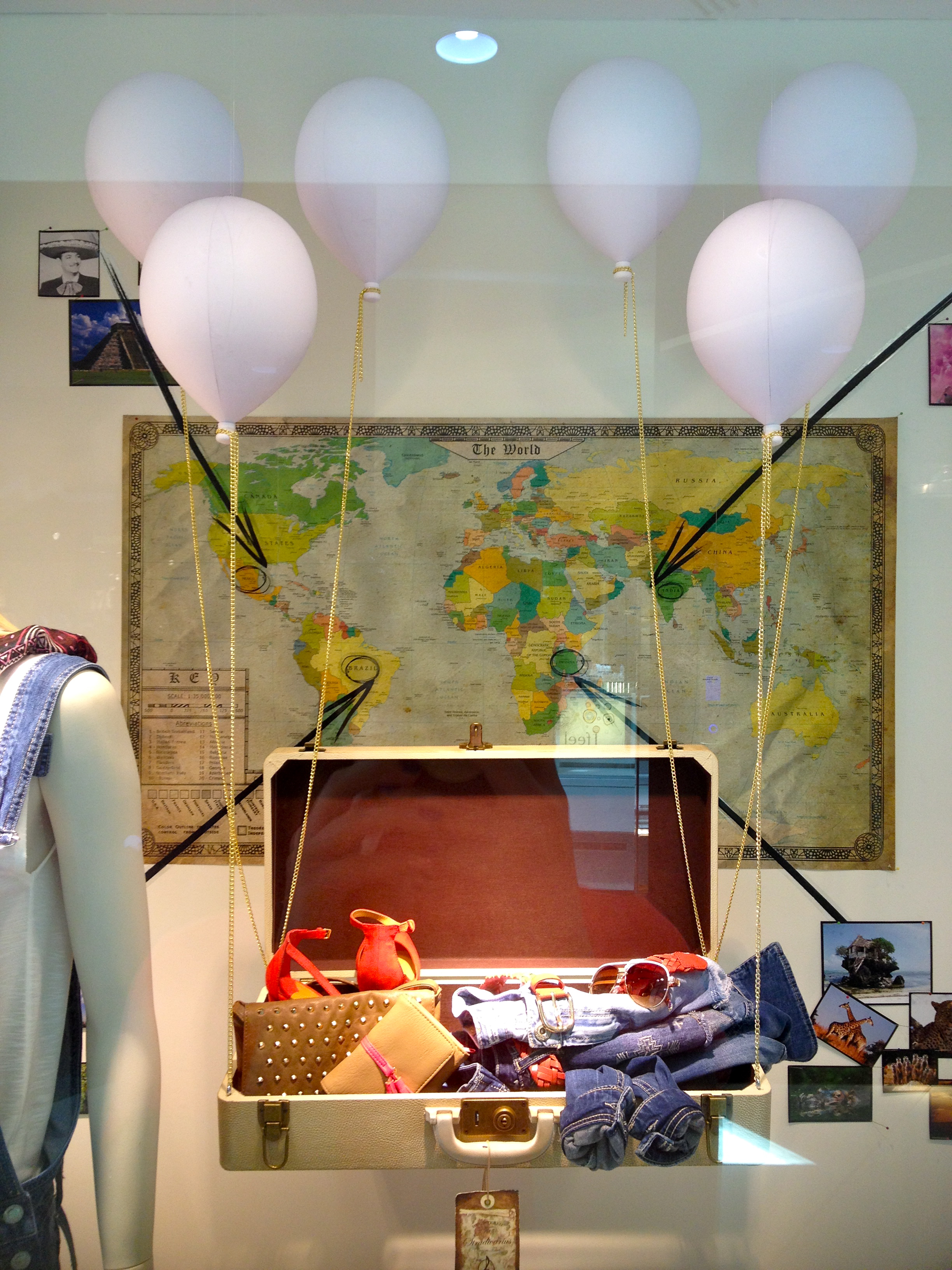
Concept: Air Mail framing of window with travel theme, suitcases held up by balloons with a vintage world map backdrop. It’s all very dreamy and whimsical – perfect for the upcoming summer season when everyone wants to pack their bags and get away.

IMG_7238

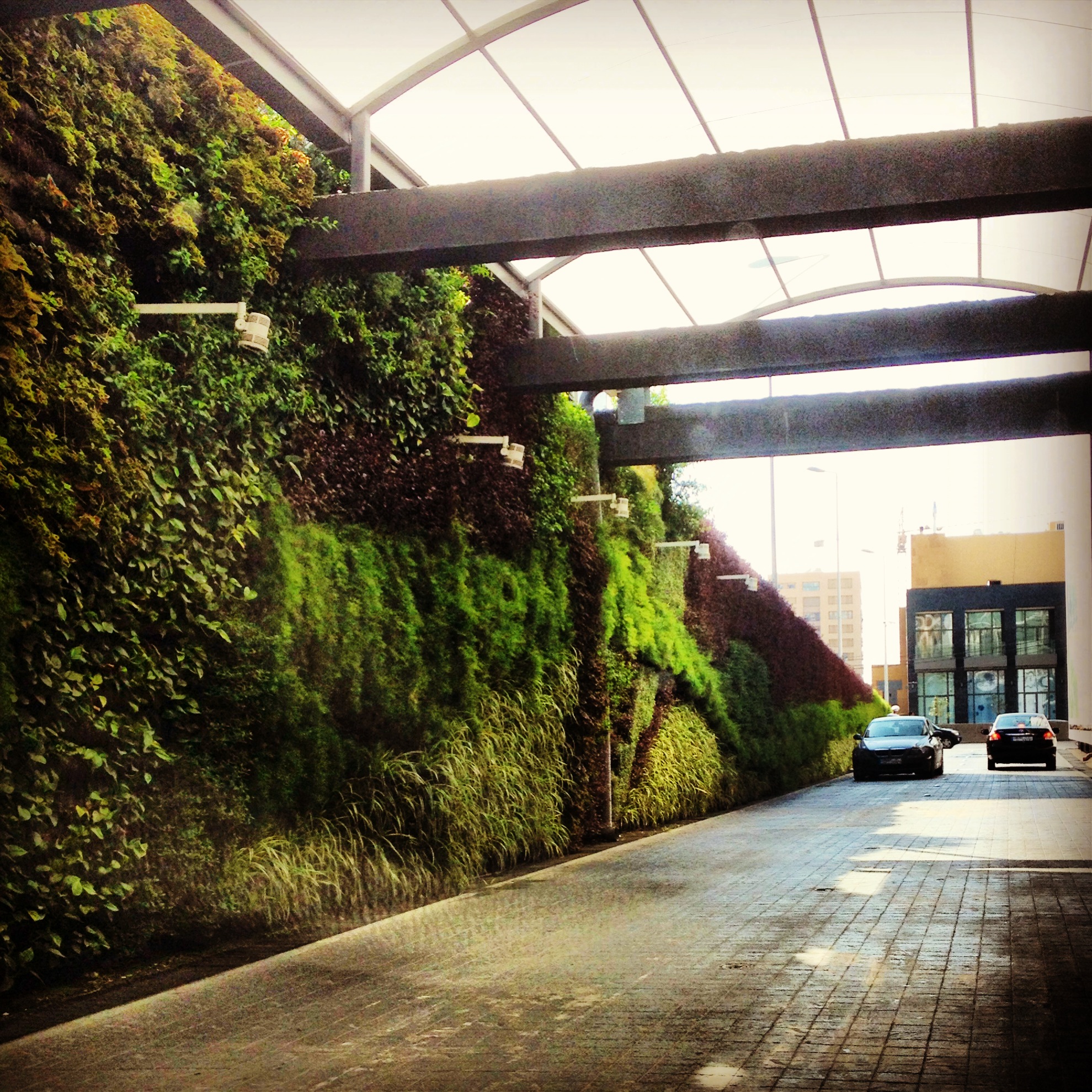
Le Mall Dbayeh is my new favorite mall because it has all the stores for good twenty-something shopping and some great restaurants too. The fact that the ceiling is all glass plates makes it well-lit on good days so you don’t miss out on the beautiful weather while still being indoors. Another plus: vertical gardens on the entrance to the parking lot:

IMG_7264

Lebanon’s Turn: Global Street Art with MOCAtv

As said in last week’s post, a series about street art in the region is being produced and Lebanon’s was released a few days ago. I haven’t even seen some of the pieces featured in the clip but I’m sure many will recognize the artists in there from their tags. Sadly, I think there is so much great work that didn’t get its proper dues but this is probably due to time constraints.