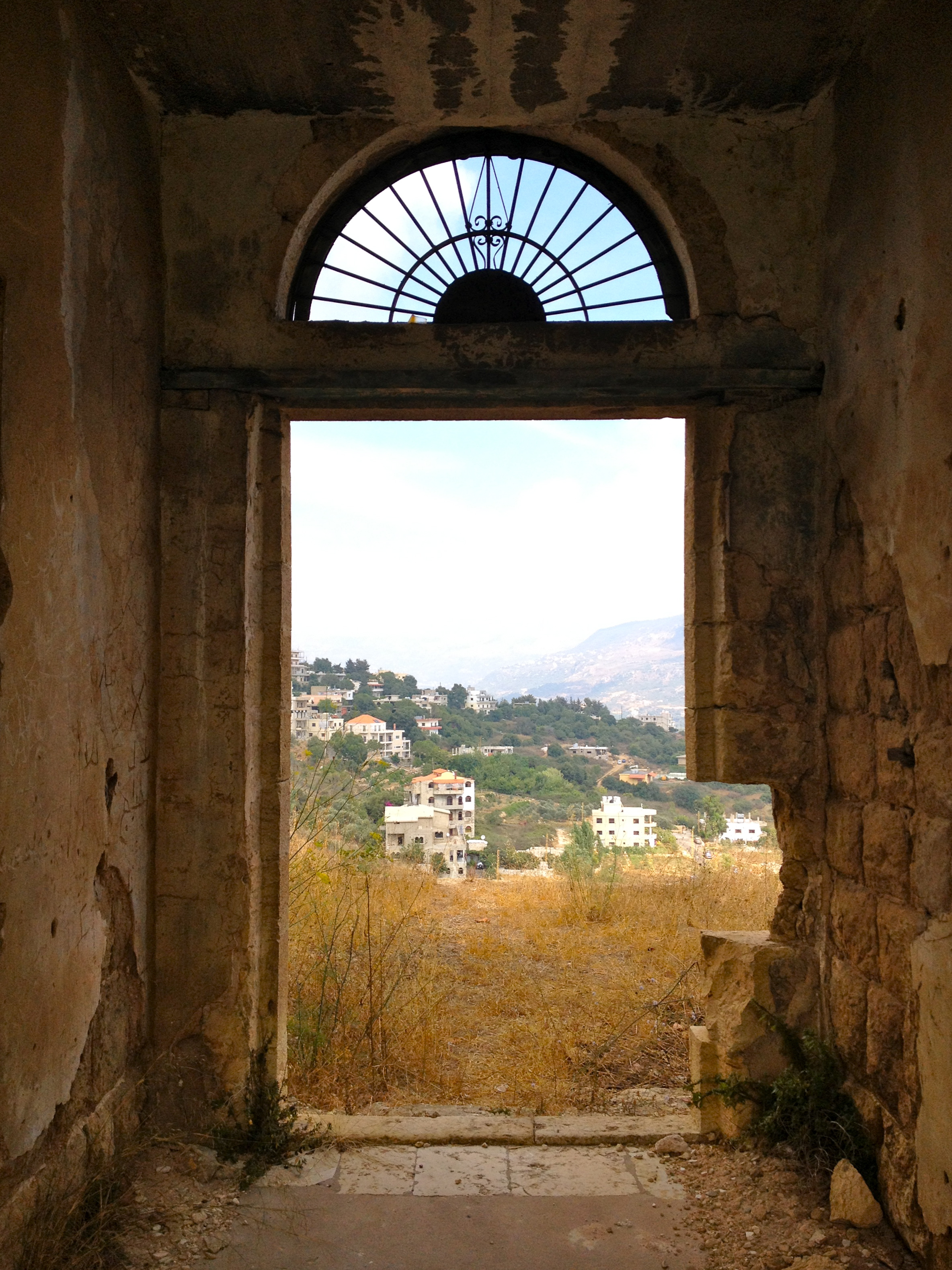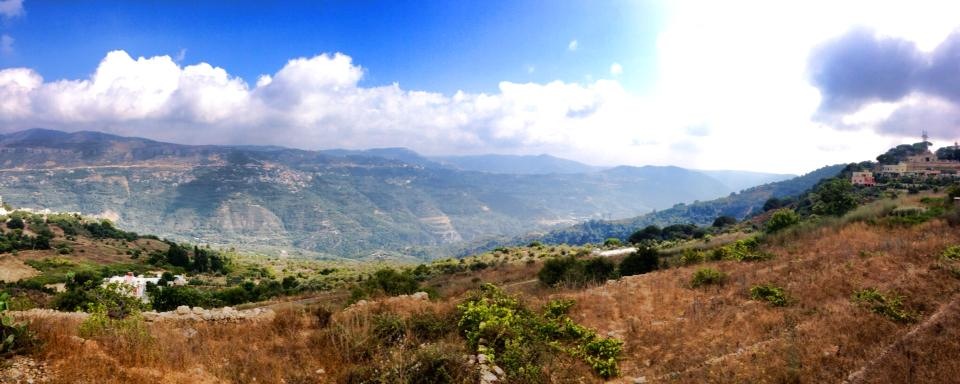
Lebanon: Would You Miss Me?

photo1

I was in Dubai for another weekend and, this time, it wasn’t the same as last February. When I came back a few months ago, my love for you was revitalized and I was happy to be home. This trip was different. For the first time, home didn’t feel like it cared if I was even there. For the first time, I didn’t want to come back.

A year has passed since I stopped to ask myself, “why do you stay?”. A war, a string of explosions, and daily struggles did not scare me and yet, now, I can’t justify my current life choice. The reasons that kept my feet firmly buried in the sand don’t feel comforting anymore, they feel like excuses. I have dear memories but murky thoughts; you’re not what you used to be to me and I don’t know what happened. I am here wondering if I’m limiting myself from the growth that every young adult needs- the kind that is not satiated by rooftop bars, private beaches, and manouche. Growth that comes from being self-sufficient in a functioning forward-thinking society. Have I settled for less than what I deserve? Maybe I woke up, maybe I’m exhausted, maybe I outgrew you. Maybe you don’t want to be who I know you are. Maybe I don’t want to wait until you get your act together, if you ever do. Maybe I need to get my act together first.

Only a few days after returning, I am reminded that danger lurks while the people are concerned with foiled summer plans and football matches. Even I started to wonder how this would affect my social life rather than how it could affect my overall tomorrow or just my drive home from work – that’s when I knew there was a problem. Threats to your safety are not supposed to be seen as an “inconvenience.” I will still defend you to the vacationing foreigner in the hot tub who claims that we’re an aimless doomed country but something has changed. I still love you but something has changed. That future I saw with you is blurry after being in a place with 2020 vision – a place that has a common goal that they’re all working toward, all attempting to make into a reality.

A city can only claim superiority that springs from culture & authenticity for so long before it drowns in its own delusions and inflated pride. While we bask in our rich heritage, destroy what is left of it, and become our own worst enemy, some of our neighbors surpass us in ambition and development leaving us in their towering shadows. We need to work as one, with humility, toward the Lebanon that we dream of while being fully aware that it could slip through our fingers if we lose sight of what really matters.

I’m confident that I’ll find my way back to you. Perhaps then, I’ll be strong enough for the both of us but I feel like I can’t save you at the moment. I need to put the oxygen mask on myself before I try to help you – unfortunately, all the masks here give an inadequate supply leaving me gasping for air.

I have another vacation coming up. Being away for more than just a few days may give us the break we need. However, if I were to leave for good at some point, my greatest fear is that you wouldn’t even notice, you wouldn’t even miss me if I was gone.

But I know I’d miss you.
48 Hours in Bucharest, 36 Hours in Moscow

Recently, I was on two brief business trips. Regardless of how long you’re in a country, it’s imperative to try and absorb something from that place. You never know when/if you may be there again, so you’ve got to take advantage of the chance to learn something new. You may not get a real feel for the destination – after all, 2 days is hardly enough to know a place – but you might still pick up a lesson or two.

In Bucharest

I didn’t interact with the locals or the city too much due to work & weather. What I can say is that the Romanian language is quite lovely. A photographer told me about the roots of the language being a mix of Spanish & Italian with some Russian undertones and a pinch of Portuguese. Throw all those lyrical sounds together and you’ve got something beautiful that is a unique Eastern European Latin amalgam. Besides that, from the streets I did see, the overall city’s appearance has a decadent neglected charm. The architecture is inconsistent in that every street is a mismatched combination of industrial run-down buildings and heavily ornamented Art Nouveau beauties of earthy tones. It’s like seeing a small EDL building next to Miss Havisham’s house. But the thing that made the Bucharest trip hilarious was discovering this show on TV: BeastMaster, the Hercules/Xena LOWER budget version of Dr.Dolittle.


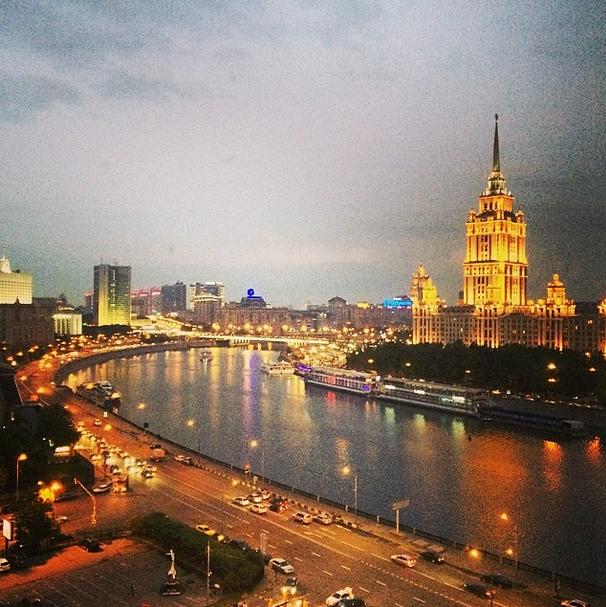
Hotel Ukraina, now the Radisson Hotel, on the Moscow River

Hotel Ukraina, now the Radisson Hotel, on the Moscow River

In Moscow

It seems that Russians have the reputation for being unfriendly straight-faced people. Turns out, this is a cultural misunderstanding. A smile in Russia is not something given to everybody. It must be a genuine smile given to people you know, not just a stranger you’re passing on the street or a customer you’re interacting with. You don’t know them so why should you fake a smile? It’s completely rooted in the historical culture that is reflected in the behavior of the people: old Russian sayings show smiling isn’t encouraged.

Gum, Red Square

Gum, Red Square

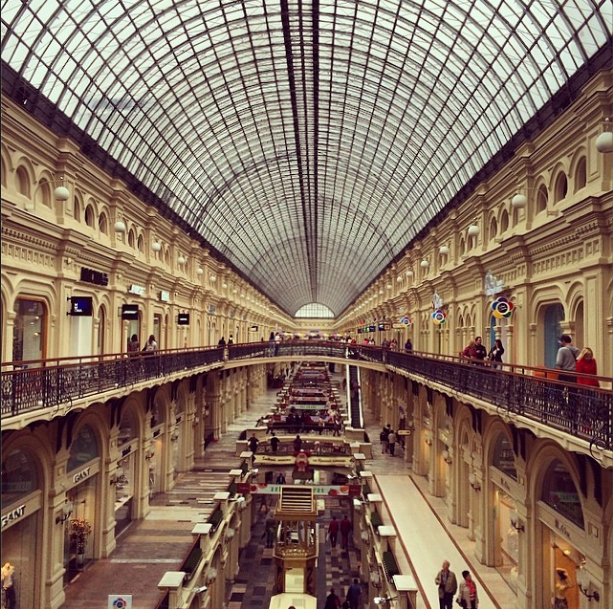
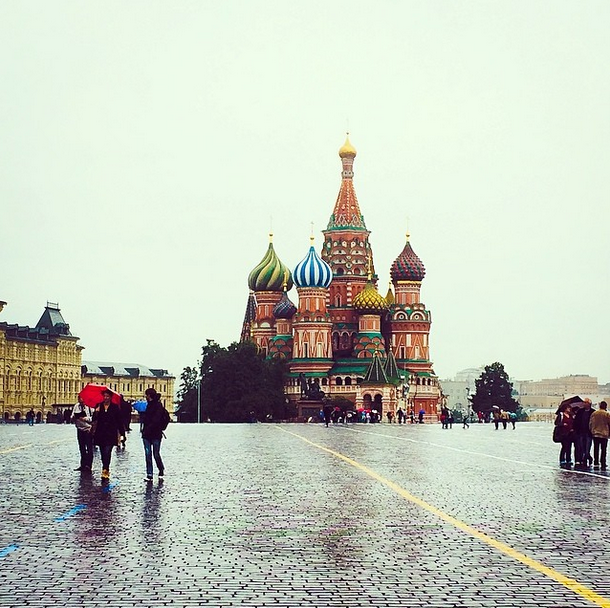
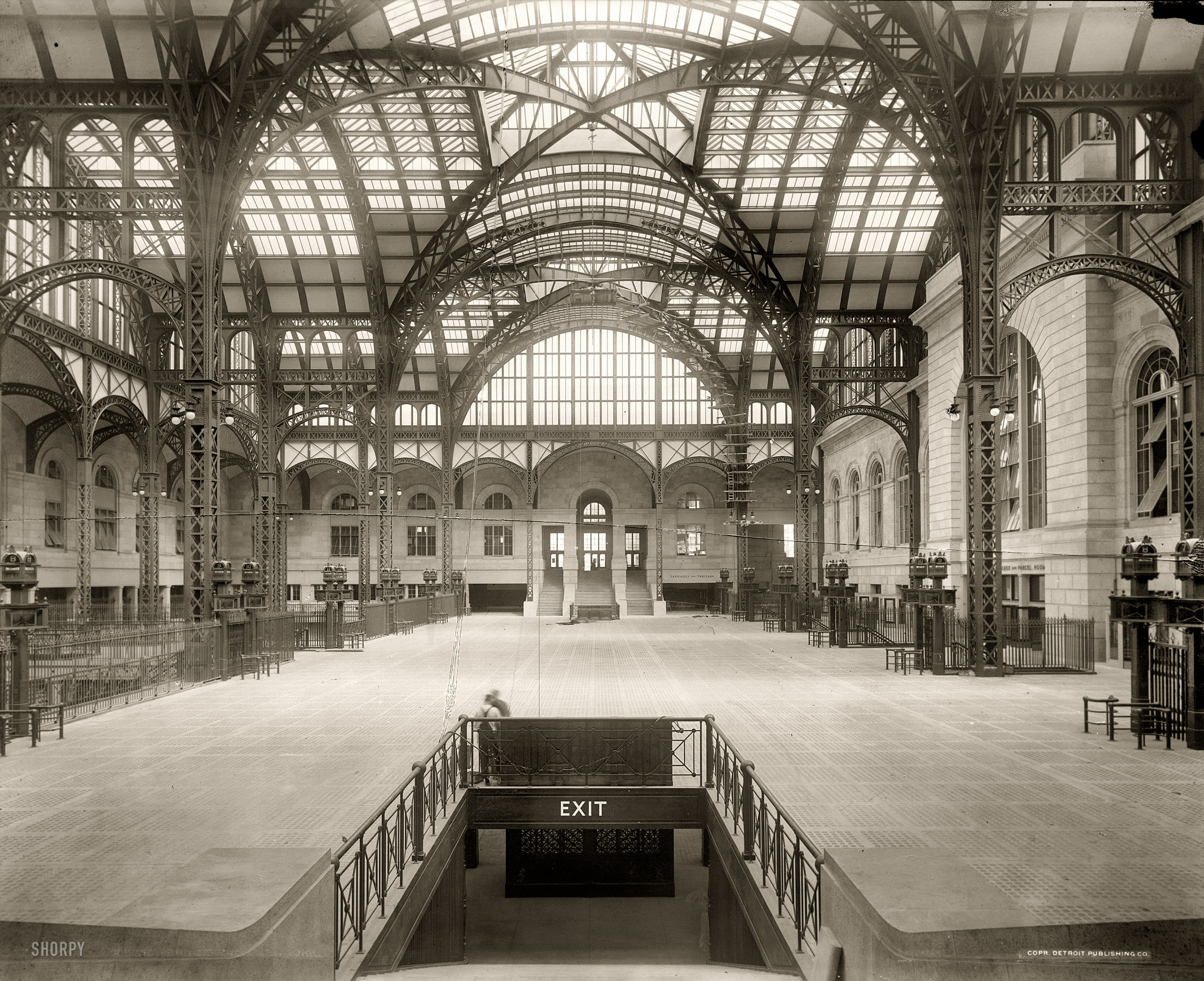
The Red Square is a must-see because you get a taste for the grandiose nature of what Russia represents. You’re surrounded by giant churches, the Kremlin, and a Gum (state department store). This Gum has a glass ceiling atrium that resembles the architecture of NYC’s Penn Station in its glory days. St. Basil’s Cathedral, the famous Who-ville cupcake colored church-turned-museum that is a symbol of Russia, is worth seeing even if just from the outside.

St. Basil's Cathedral

St. Basil’s Cathedral

I asked about a famous Russian dish that everyone’s teta would cook in a certain way. Basically, I was wondering what was the equivalent to our kibbeh. For some reason, I thought it would be beef stroganoff but it turned out to be Olivier salad. The basic Olivier salad is potatoes, boiled carrots, eggs, and peas with mayonnaise but it varies and is considered the necessity at the table when having large gatherings (especially New Year’s parties). It’s the Russian tabbouli, if you will. Stroganoff, on the other hand, became popular after a chef of the Stroganov family cooked it up. It used to be a luxury to have because of the price & availability of meat but eventually, it became a staple dish across the country and the world.

Some other tidbits from Moscow:

– Getting from place to place is very time consuming due to the large distances but mostly because of unpredictable traffic. You never know when a traffic jam is going to keep you stuck in a car for 40 min or 140 min.

– Married folk wear their rings on the right hand. Engaged folk may have a diamond involved just to show the difference but there’s no switching hands.

– Alexanders are nicknamed “Sasha”

– Roosters seemed to be popping up in various forms (decor in the hotel, lollipops in stores). My internet digging says they are a symbol of happiness and good fortune to Russians. Please correct me if you know otherwise.

– The Seven Sisters are a group of 7 skyscrapers in Moscow that have the same Stalin-architectural style. The skyscrapers were built in order to compete with capitalist cities. One is the Radisson Hotel, formerly known as Hotel Ukraina, which sits on the Moscow River. These particular skyscrapers are Gothic/Baroque but there’s some Burj Khalifa Dubai-esque style ones coming up though.

– Black bread, or rye bread, is common. It’s a very dense dark colored bread that’s high in fiber. It’s density is due to the chemistry of the rye and how it makes the dough rise. It’s supposed to be healthier than white bread. Personally, I wasn’t a fan. Unfortunately, I prefer fluffy bread that makes you fluffy too.

– Space Museum came highly recommended. I didn’t get to see it but it’s on the list!

Spa-seeba means “thank you”

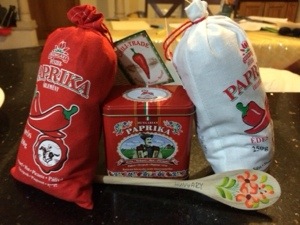
Salt & Paprika Shakers

20140418-140102.jpg

If you’ve ever had Hungarian paprika, then you’ve probably already done this. If you haven’t, then get your hands on some and trade in your black pepper shakers. Hungarian paprika tastes good on everything except ice cream.

Paprika is made by grinding up the pods of capsicum pepper plants. The plant reached Hungary through the Turks back in the 16th century and the best stuff is grown in Szeged. There are two main types (hot and sweet) that are further broken down into 8 varieties. All Hungarian paprika is a beautiful bright red but the varieties differ depending on their pungency and heat. The red peppers are hung to dry and grounded into a fine powder. Sweet paprika is mostly pericarp with most seeds removed, whereas hot paprika contains some seeds, placentas, calyxes, and stalks.

Using it as a garnish gives minimal flavor, it’s better to cook with. If you want to enhance the paprika flavor even more, stir it into some oil before use. Hello, paprika parmesan fries with truffle oil! Unfortunately, the only dish I had in Budapest was chicken paprikash and it was purely the paprika that made this dish worthy. It reminded me of the chicken rice in Singapore only because of the combination of boiled chicken with a zing of spicy flavor. I think my supply above will last about a month.

Bambi Recommends: Chimney Cake

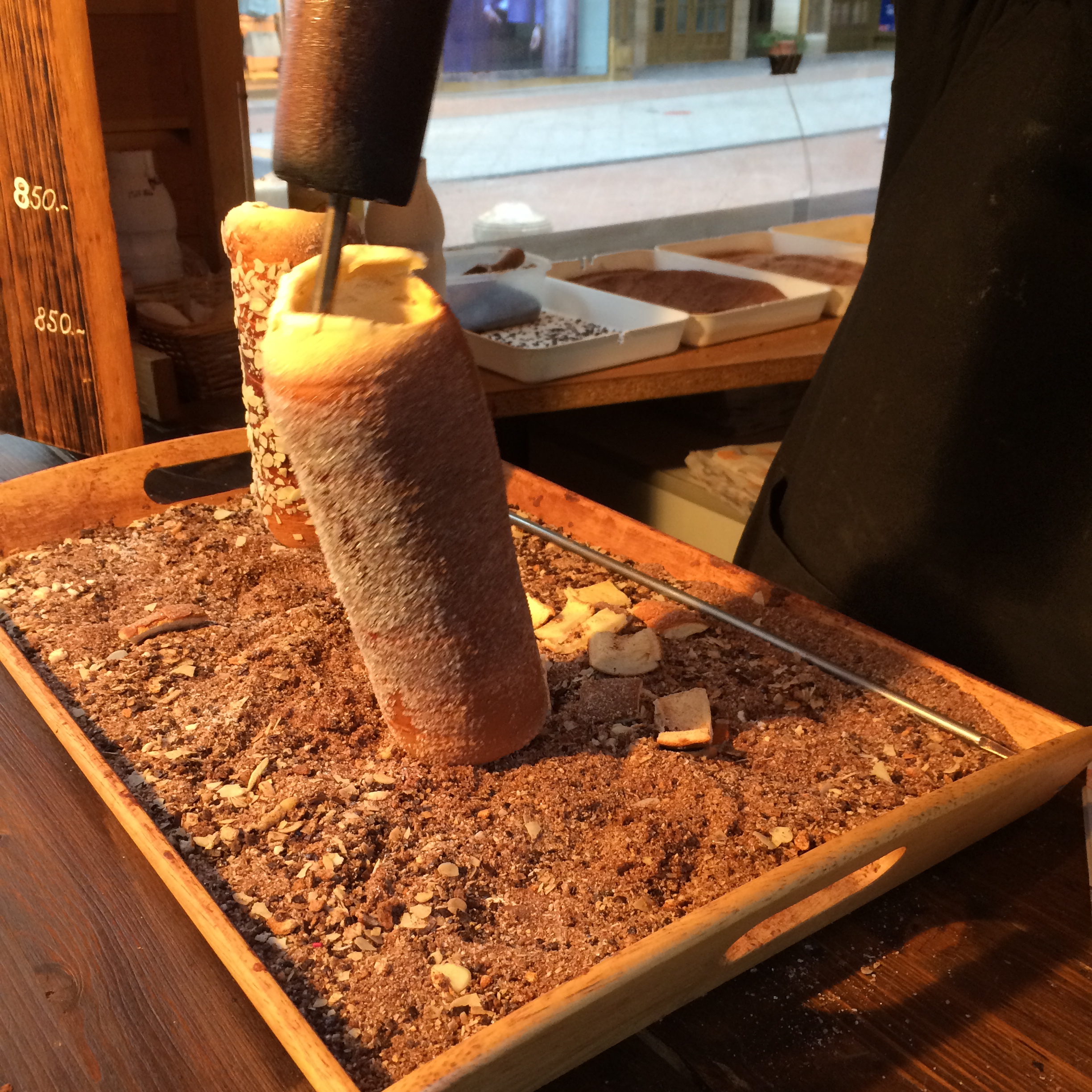
Kürtőskalács, or the easier to remember/pronounce “chimney cake”, is a Hungarian sweet snack which is sometimes referred to as “spitcake.” Don’t let the names fool you.

photo1 (1)

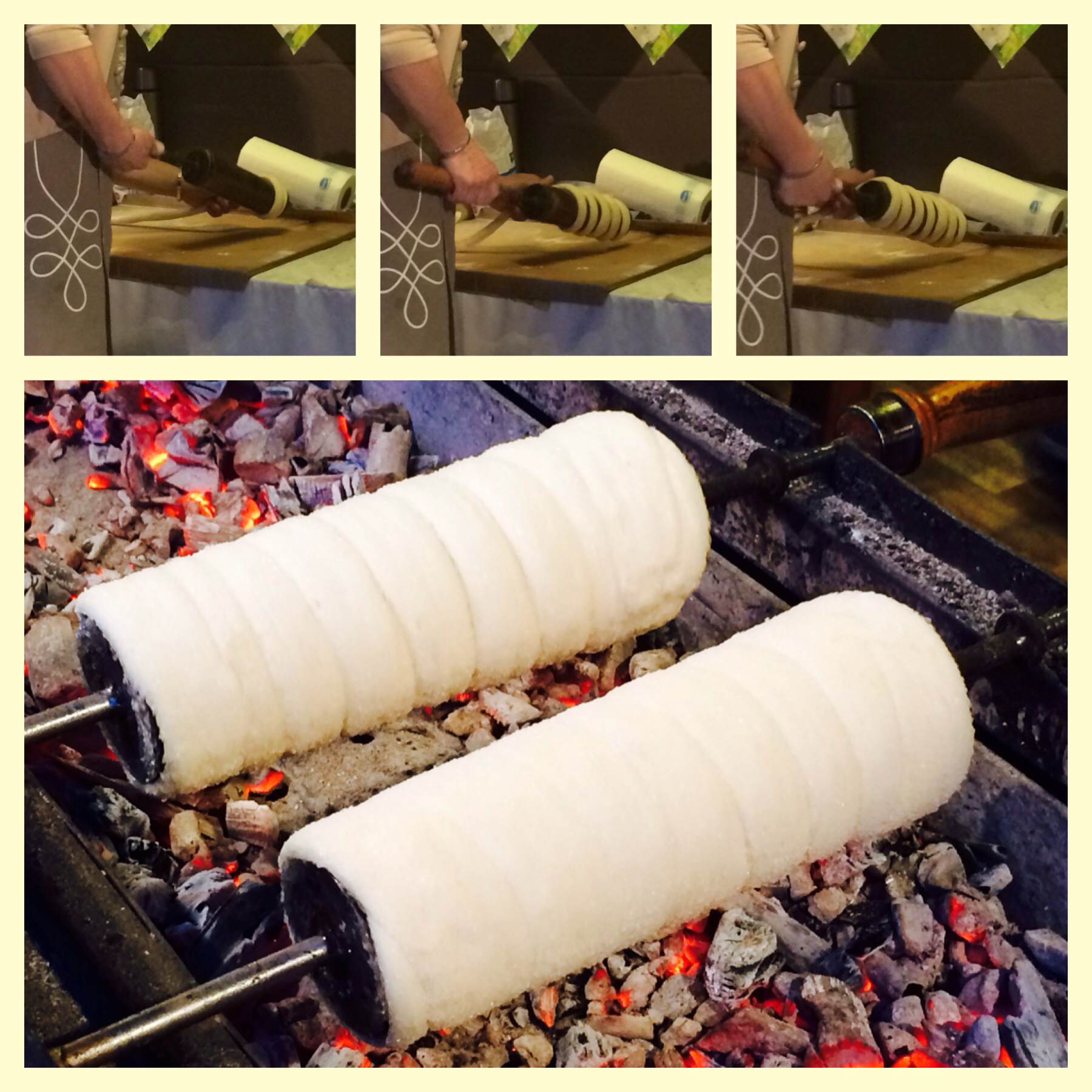
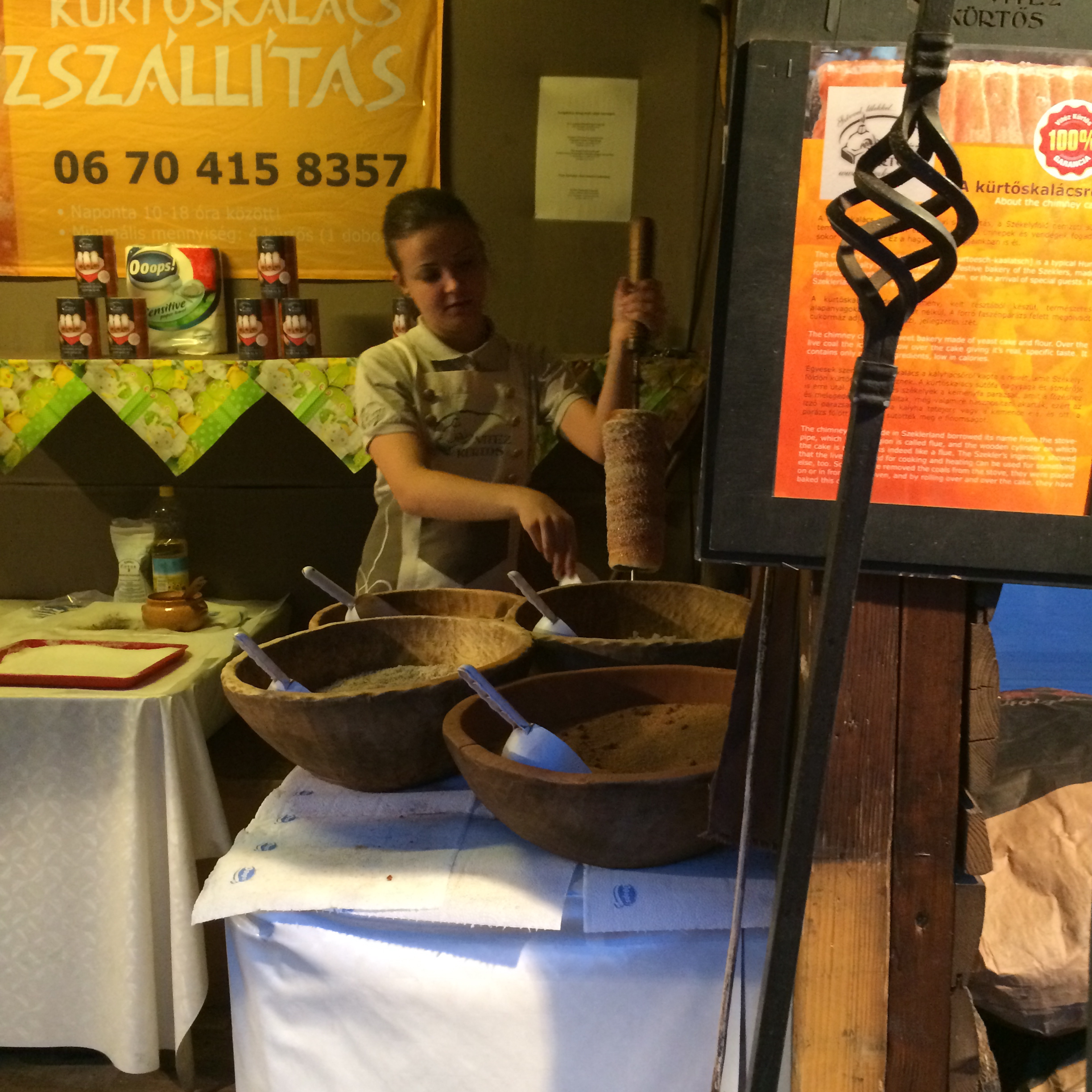
It’s made by wrapping a long thick string of dough around what looks like a rolling pin skewer. The dough is brushed with butter or egg yolk, coated in sugar, and left to rotate over hot coals. Watch it happen here. The sugar becomes caramelized and once toasted, different flavored sprinkles are added on top (coconut, cinnamon, vanilla, chocolate, crushed walnuts). It’s then slipped off the skewer and wrapped; you can tear off pieces of the cake and it unravels like the inner tubing of a toilet paper roll. Sorry, bad association. It tastes best when it’s still warm off the coals. The outside has a sugary crust while the inner part of the strips remains soft like bread. Basically, if sweet pretzels and cinnamon rolls had a baby, it would be a chimney cake dipped in awesome.

IMG_3361

IMG_3417

Based on their little sign next to the grill and what I dug up online, the chimney cake originated in Transylvania when it was still Hungarian territory. Born in the bakery of the Szeklers, or Hungarian Szekleys. Szekleys were Transylvanian warriors who were rumored to be descendants of Attila’s Huns. They have pride in their effect on Hungary because Magyar tribes were said to be related to the Huns and thus, the Szeklers are a subgroup of Hungarians in the mountains of Romania. “Magyar” is used interchangeably with “Hungarian” but can also refer to the Hungarian language.

The cake is served at special occasions but can be found made and sold by street vendors throughout Budapest. Like Hungary’s pálinka, kürtőskalács are an EU protected geographic indication of Slovakia (but they’re called Trdelník). Regardless, they remain Hungarian to me.

5 Tidbits from Hungarians in Budapest

IMG_3617

“All we have to our left is our sword, dog, and hookers”

A Hungarian said this while walking with us two girls on the sidewalk. He moved to the left side as most gentlemen do, resulting in us being on his right and then proceeded to tell us the above Hungarian saying. So flattering.

“Egészségedre!” (pronounced egheshe gedra)

This means “cheers!” in Hungarian. The actual translation is “on your health!” so it’s just like Arabic’s “sahtein!” Be careful though because if you pronounce it wrong and say it with an A like “eghesha gedra”, then you’re saying “on your ass!” Always maintain eye contact when clinking glasses, they take their 7-years-of-bad-sex curse very seriously.

“The best way to describe Pinot noir is it tastes like strawberry shit.”

One Hungarian producer said this after telling me that Southern Hungary makes the best wine but his favorite type is Pinot noir. Despite this appetizing description, we had some later and I believe it tasted much better than fruity excrement but, then again, I’ve never tried strawberry feces.

“Let’s do a white line.”

This is referring to the new metro line. The existing three are the yellow, red, and blue lines. Yellow being the oldest in Budapest and the second oldest metro line in the world (first in mainland Europe!). It starts at Vörösmarty tér and was built in 1896. Seniors and EU citizens ride free. At first, Hungarians didn’t know what color was to be assigned to the new line so they dubbed it the white line; thus, the cocaine joke. Based on my trusty guidebook though, the line is actually green.

“Plum is the best.”

When asking about the best flavor of pálinka, Hungarian fruit brandy. There’s plum, apricot, apple, pear, peach, and so on. It’s an EU geographical indication which I find to be just another policy that we should implement for our own geographical specialties. It’s like hardcore copyright. It “ensures that only products genuinely originating in that region are allowed to be identified as such in commerce.” Read more here. We’ll have it one day. Anyway, pálinka is insane. It’s sometimes served like a shot in whiskey glasses and once you down it, you have a hint of fruit flavor and then your mouth stops functioning. It goes numb and you can’t feel your tongue for about 30 seconds. And then it burns on the way down and everything is fuzzier. TWSS.

Singing “Supergeil” under his breath

And then the German/Hungarian producer who studied in the UK showed me this amazingly unforgettable supermarket ad:

Beirut vs. Budapest

IMG_3456

Like anyone who visits a city for the first time, I was automatically comparing all things to my home city of Beirut. I don’t know what it is about you Beirut but I see you no matter where I am. It’s a “wherever you go, there you are” sort of thing. You can travel thousands of miles but you’ll never really escape something that’s constantly in your heart.

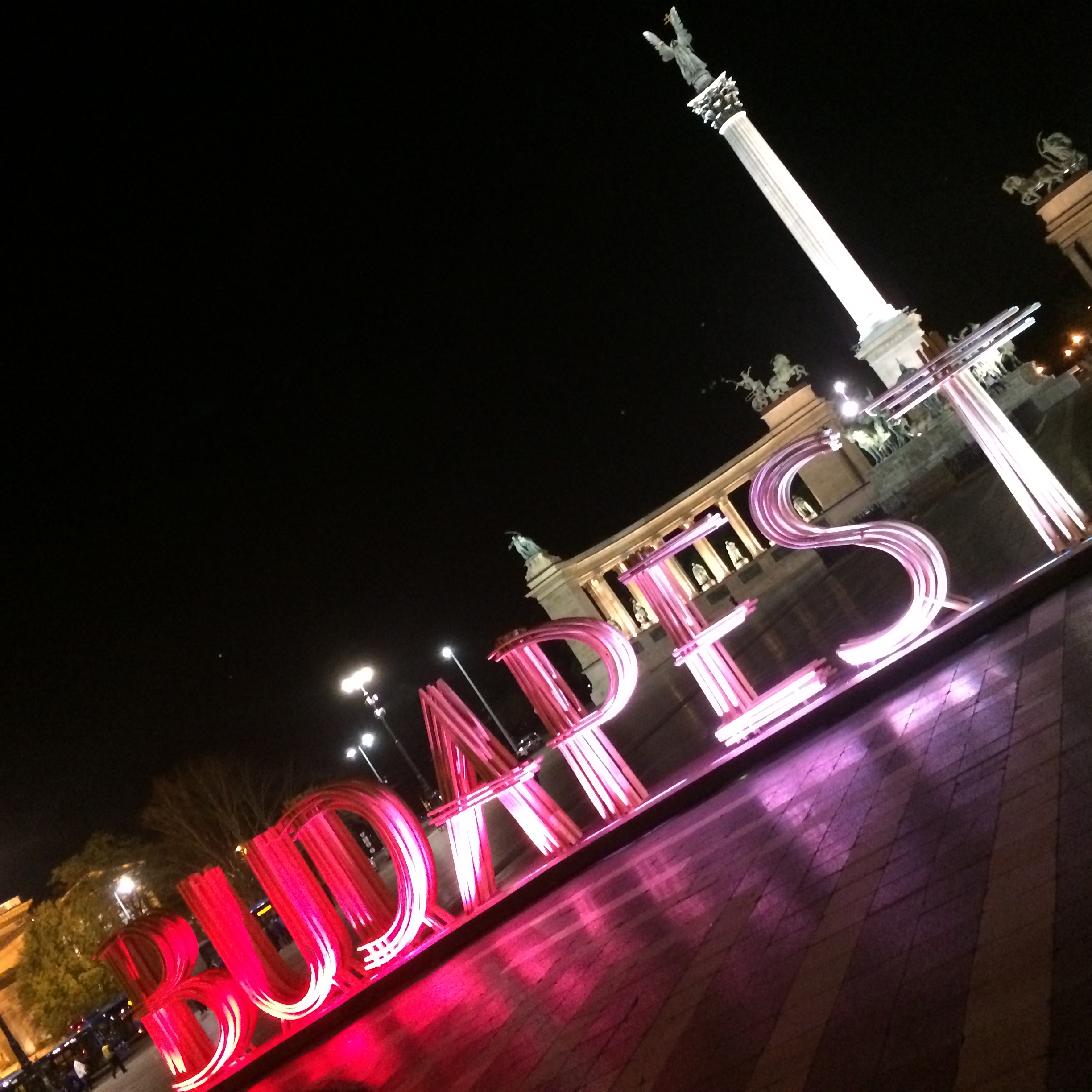
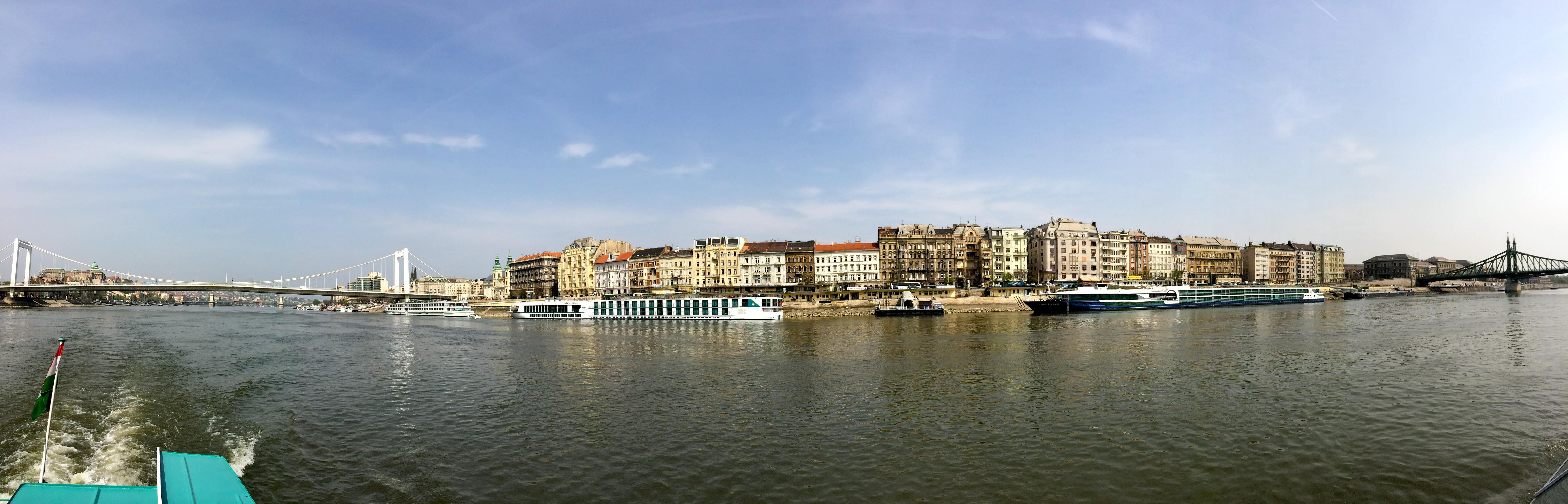
Upon arrival, I received a guidebook that described Budapest as the “sandwich city” and not because of its huge array of sausages, deli cuts, and blood pudding. It’s called so because it is two strips of a city split by the Danube. Buda, the hilly residential half, and Pest (pronounced Pesht), the SoHo-like flat land. Buda overlooks Pest because of the contrast in elevation and they’re connected with 3 main híds, or bridges.

Wine
There are 23 wine areas in Hungary but the two that seem to have the best are the Eger and Szekszard regions. It’s good stuff – as in, you would drink the wine because it actually tastes good rather than just to feel a little lighter/giddy. Hungarians are very proud of their wine and it’s a big part of their nightlife; most of the streets in the downtown area are filled with wine bars. Most bottled water there is fizzy and, because of this, it’s easy to transform your glass of rosé into a spritzer on ice. Innio is one wine bar near Ersebet Tér that has a chill atmosphere and yummy cheeses. Their slogan is “innio, ennio, elnio” meaning “to drink, to eat, to live.” Goat cheese with paprika and a glass of Hungarian cuvée, yes please.

Identity
When addressing a Hungarian, you use their family name then first name. There are some mixed feelings when it comes to their neighbors, the Romanians, because of history and the claim of Transylvania. Due to the Turkish, Austrian, and Roman influences (and others), Budapest is filled with various classical European architectural styles. The newer buildings stand out immediately up against Gothic, Baroque, and Art Nouveau-inspired exteriors. The whole city is a mesh of old & new much like my beloved BEI. I particularly hate the Intercontinental Hotel’s disgraceful contribution to the Pesh side’s waterfront but that’s just me. In Hungary, identifying Hungarians as anything other than Hungarian is illegal. Some Hungarians fought to be registered as Jedis in the census just to make it a point. This is something we should adopt: we should be Lebanese and nothing else.

Hungarians Invented Everything
Hungarians invented the button, the Rubik’s cube, and the ballpoint pen. They also claim to have invented trousers. Hungarians’ official language was Latin until 1844…but Phoenicians invented the alphabet. This belief that your own nation is the center of the world may not be a Hungarian or Lebanese thing; when we were discussing this with a colleague from Geneva, he said “yeah, you guys probably got that from the Greeks.” Did I mention he’s Greek? It seems that all countries are ethnocentric to some extent.

Government
All week long, the current government was pulling out all stops trying to impress the public including completing the newest Metro line. Although no one really uses that particular line and its practicality is questionable, residents thought it would never finish but it miraculously has. Why? Because parliamentary elections are this weekend. The Metro plus public markets, a club opening, and classical concerts in the park – they’re trying very hard to win the vote using anti-EU rhetoric even though 97% of their projects are EU funded. The leading governmental party is orange. It seems they use colors too. “Do people like them?” I inquire. “Depends who you ask.” Well there’s a diplomatic answer that sounds all too familiar.

Neighborhood Names
Budapest is split into 23 districts and some of these districts are broken down further into neighborhoods. It’s the same as our Hamra/Geitawi/Horsh Tabet/etc divisions. They have great respect for their history and their past. Small plaques on buildings commemorating someone have small wreaths hung below them. There is evidence that they cherish what came before them. Another lesson we could learn from the Hungarians.

Rom kocsma (Ruin Pubs)
This trend started in 2002 at Szimplar Kert, the oldest ruin pub in Pest. The concept was that pubs would open in temporarily abandoned inner city blocks. Once it got popular, more and more pubs opened up and people would bar-hop from one to the other shifting to quasi-snobbism. We visited the Gozsdu Aracade which used to be social housing during the Communist days. The recipe according to this site is: “search for an old building in downtown Pest, rent the cellar and the ground floor, do not renovate anything, invite some contemporary artists and designers, recreate the atmosphere of the 70’s, build a bar and serve some drinks, invite a band and be open until the morning comes.” And it’s no fun to live in the same area but partying is great. Sounds a lot like our Monot/Gemmayzeh/Mar Mikhael culture. By the way, our latest rom kocsma area is Badaro but that’s for another post.

5 Tidbits from Foreigners in Dubai

1975203_10151914435145965_1095046429_n

First week of Feb marked the 2-year-anniversary of Bambi’s Soapbox. Yay! In the midst of a hectic week at work and traveling to Dubai, it totally slipped my mind but that was the reason behind the NEW LOOK FOR 2014. Here’s another round-up of some funny little things I learned from foreigners I met in a city that is a 70/30 split between expats & nationals.

1 – I was having lunch on Valentine’s Day with Pavel & Teddy, a Bulgarian couple who used to live in Spain. They told us that V-Day isn’t celebrated in Bulgaria but St. George’s Day is a Catalonian holiday in Spain falling on April 23rd every year. Couples exchange single roses and books. They also said that wedding engagements require the exchange of gifts from both parties (the guy gets a watch).

2 – An Indian vendor at Madinat Jumeirah, upon hearing I was Lebanese, gave me a deal on a ring because he likes hummus. He also said that Indian barbers are cheaper than all Arab barbers in the Emirates – you can get everything done for under 50aed (~14USD). “Oh hello! It’s an upscale souk!” said a British man as he walked into the place. He thought I was the welcoming hostess because I happened to be a smiling Arab standing by the entrance. What kind of authentic souk has a Starbucks?

3 – A Pakistani cab driver, after being asked to slow down, explained that driving in Pakistan was even crazier than Dubai. He insisted that it was okay because the speed limit was high enough and he wasn’t going THAT fast. He said, “it’s putting life in hand” of the driver. Yeah, lots of prayer during that ride. If you ever visit Pakistan, walk.

4 – A group of Colombian designers recommended going to Barasti Beach Club, a bar that is “iconic” in terms of where to go when visiting Dubai. Based on what they said, it’s full of drunk Irish & British folk, which is why it’s a must to see! Needless to say, I did not go there.

5 – The “Dubai milestone” is what they call the weight you gain when you move to the city. It’s an average of 8kgs. Why yes, I’ll have the fried mac & cheese. With a Coke Zero.

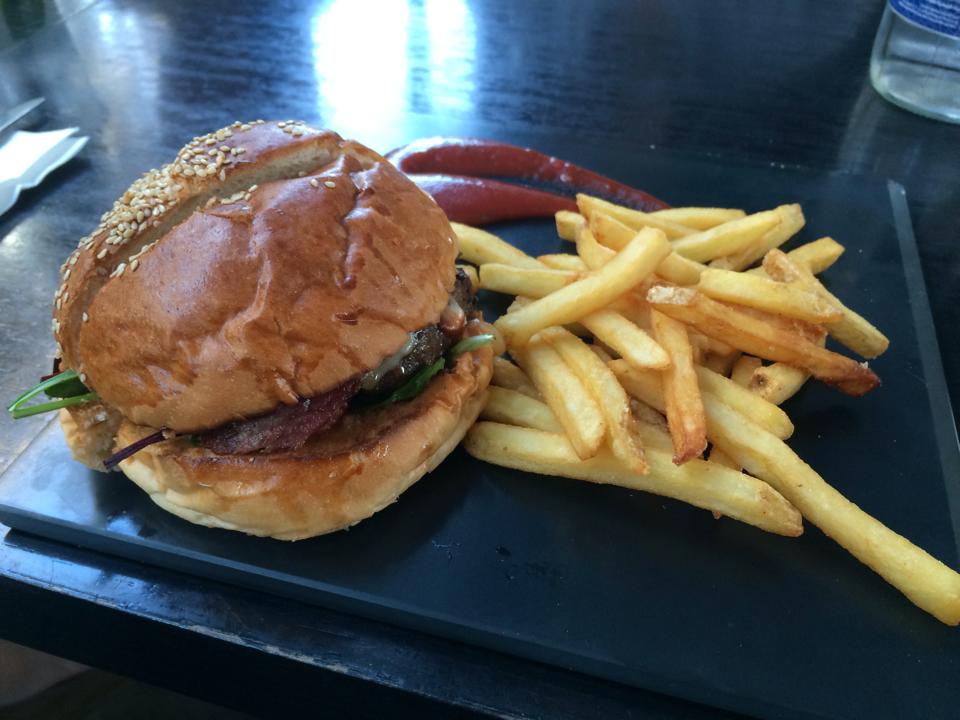
MY TIDBIT: If you eat at Jones the Grocer, try not to sit next to the cheese room. And order the Wagyu burger. Then go to Magnolia Bakery in Bloomingdales of Dubai Mall for some banana pudding. Then go to the hospital or the gym for 6 hours because your arteries are choking on halal lard.

Jones Wagyu Burger (can be ordered with foie gras too)

Jones Wagyu Burger
(can be ordered with foie gras too)

Dubai vs. Singapore

dub

Exactly 365 days since the day I boarded a plane in Changi Airport, I got on another flight to the Singapore of the Middle East: Dubai. It was so similar only there were less Asians (not much less though) and more Arabs (not much more though). They even sell Tiger Balm in pharmacies and serve Tiger Beer at bars.

Architecture
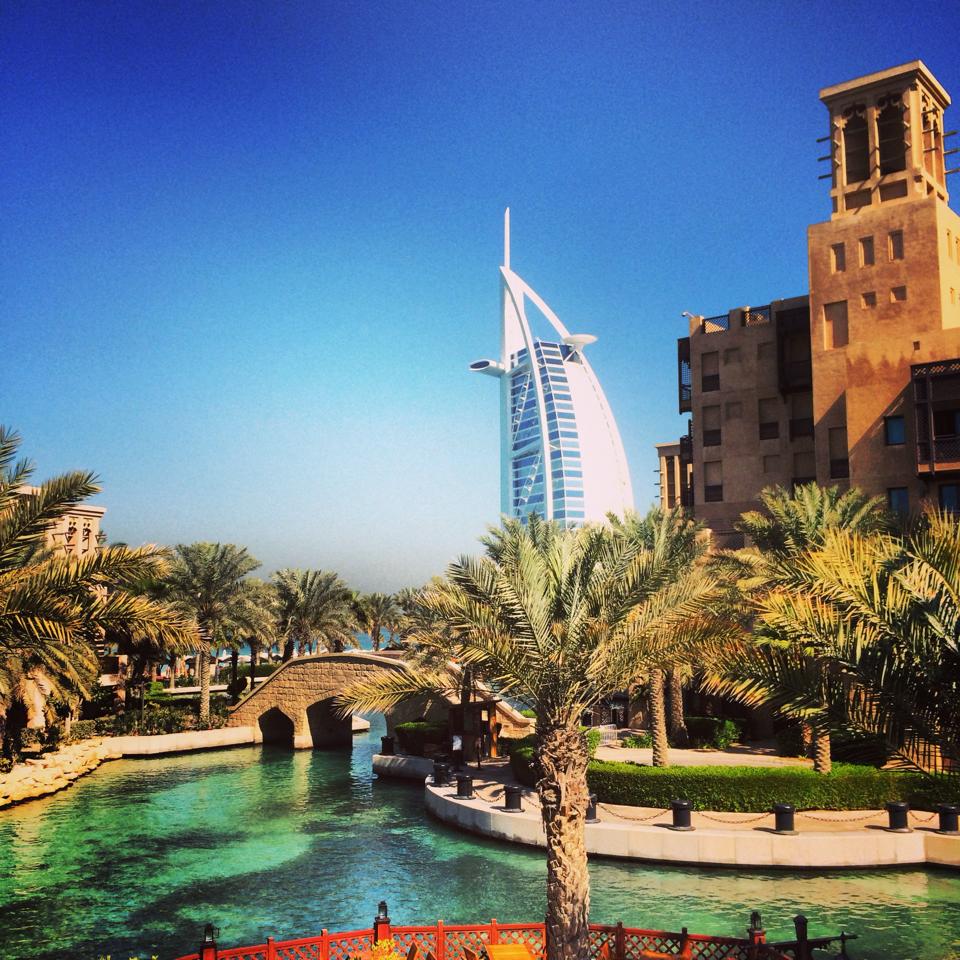
There are a lot of impressive structures in the city especially considering the factors that architects need to take into account when working on a project (sandstorms, intense heat, building on sand foundations). According to an episode of Strip the City, the Burj al Arab’s exterior takes 2 weeks to clean after a sandstorm and an entire coral reef was relocated to the Palms by being transported underwater while connected to a barge. Burj Khalifa is insane to see. However, I can’t help but feel like a lot of the architecture are like hybrids from other known monuments around the world. Dubai’s DIFC looks like our ESCWA building in downtown or a less impressive knock-off of Rem Koolhaas’ CCTV building in China. There are rumors that The Address, the hotel of the Dubai Mall, is building 2 more towers that will then have it resemble the Marina Bay Sands of Singapore but, then again, the Singapore flyer is a copy of the London Eye. Oddly enough, there already seems to be a cousin of the MBS in Abu Dhabi.

Greenery
SG is definitely greener. In all fairness, Dubai is supposed to be a desert so just the mere fact that it’s a constructed city that has more public parks than Beirut is already a step forward. The Greens, appropriately named, has a lake and greenery all around successfully creating the illusion that you’re not in the middle of Nevada. Dubai is a lot like Las Vegas in the sense that it’s a haven in what should be a barren land except it’s on a coast and there’s no gambling or strippers. Safa Park has a weekly farmer’s market every Friday and the Novotel Hotel has a green wall on its building’s facade. SG has the Botanical Gardens, Gardens by the Bay, and a forest between every parking space. Dubai has the Miracle Garden and other parks. Beirut has…AUB.

Weather in February
Unlike the tropically wet & humid days spent in SG, Dubai’s weather was dry & breezy. Not exactly beach weather but you can still suntan without heatstroke. This is short-lived though; Dubai suffers from desert heat starting around the end of April until mid-September. Mall culture is a big thing in both cities since weather keeps residents indoors as they try to avoid rain or sweat. Yum.

Being like the West
Although I had culture shock upon arriving in SG, I was told that it was the most Westernized city of Asia. Dubai, despite being an Arab city, was filled with so many expats from different nations that I never spoke Arabic while there. Like SG, Dubai tries very hard to emulate all things West except you can’t buy alcohol freely or kiss your boyfriend in public. There’s a Tony Roma’s though.

Metro Efficiency
I was thrilled to hear that Dubai had a metro but I never got to use it. Why? Turns out that the metro is made up of two lines that run through the city and the stops are too spread out. Unless one is walking distance from where you live, it is not very practical in terms of getting from point A to point B. The city is quite condensed but since it’s not pedestrian friendly (mostly because of the weather), it doesn’t make much sense to take the metro if you’re just going to end up in a cab to get to your actual destination.

Cab Drivers
Since speeding limits are pretty high on Sheikh Zayed Road, the main highway into the city, cab drivers like to go Dom Toretto when they get the chance. At some point, one cab driver sped through an intersection and said “many accidents here haha.” HOW IS THAT FUNNY? Never say the words, “I’m so tired” upon getting in because they’ll take longer routes to jack up the meter while you’re too tired to notice. Even if you spent 8 hours in Dubai Mall, pay attention. It’s a small city so it’s not that hard to learn the roads. If it takes more than 20 minutes, you’re being robbed. YOU’VE BEEN WARNED. Drivers in SG have also been inspired by GTA and Need For Speed.

While lost looking for a restaurant in DIFC, a former American resident of Singapore said, “Yup, it’s going to be just like it in 10 years.” I’ll give it 5.

Beaufort, Ghajar, and Fatima’s Gate

20131019-174244.jpg
View from Beaufort
(click to enlarge)

Regardless of your religion, Eid holidays usually equal days off filled with grilled meats, ma3moul, and prayer. Sometimes, they also mean trips to villages to see the grandparents and mingle with the family. My sisters and I cut a deal with the parents this time around – we’ll go to the day3a under one condition: show us the land and tell us the story. For the sake of simplicity, I have referred to the disputed land of Israel/Occupied-Palestine as Israel. Follow me on Instagram for more pics!

1st stop: Beaufort Castle, Kalaat el Sha2if

20131019-172905.jpg
20131019-172937.jpg
20131019-172632.jpg
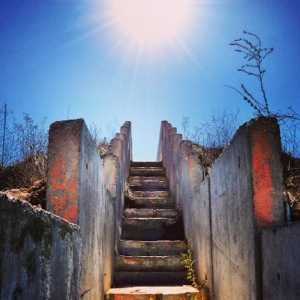
steps to Israeli bunkers

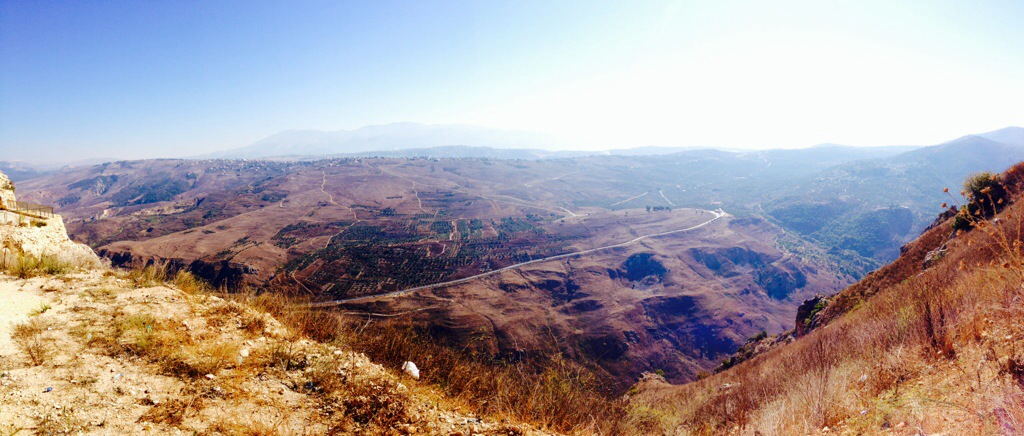
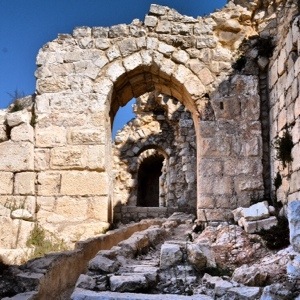
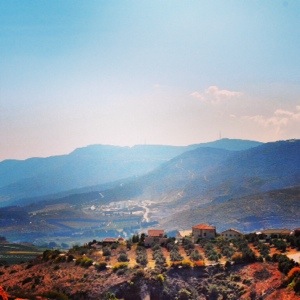
A Crusader castle from the 12th century, Beaufort has been under-appreciated and neglected for decades. Up until recently, the castle was on the verge of entire ruin, slowly but surely becoming part of the mountaintop that it sits on at the edge of the village of Arnoun. Kuwait has generously stepped up to the plate to fund the renovation of the castle, salvaging what is left of the strategically placed structure that was also used as an Israeli look-out post and suffered earthquakes, historic battles, and heavy shelling in the 80s. Its Arabic name means “Castle of the High Rock”, sha2if being Aramaic for “High Rock”. The Israeli bunkers are still there and if you climb into them, you will understand why this was such a perfect location for surveying the area of Southern Lebanon & Northern Israel. The castle overlooks the entire valley around the Litani River and the views are nothing short of spectacular. Although this place doesn’t seem to be promoted as a touristic site, a tour bus pulled up on the first day of Eid while I was making my way to the top of the tower so maybe word is getting around. Definitely worth another visit in the springtime. Another blogger visited last year and has some more details on its history, you can check that out here.

2nd stop: Cruise along the Israel/Lebanon border

20131019-172852.jpg
Metula
20131019-172750.jpg
Metula & Kiryat Shmona

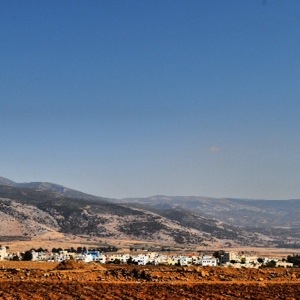
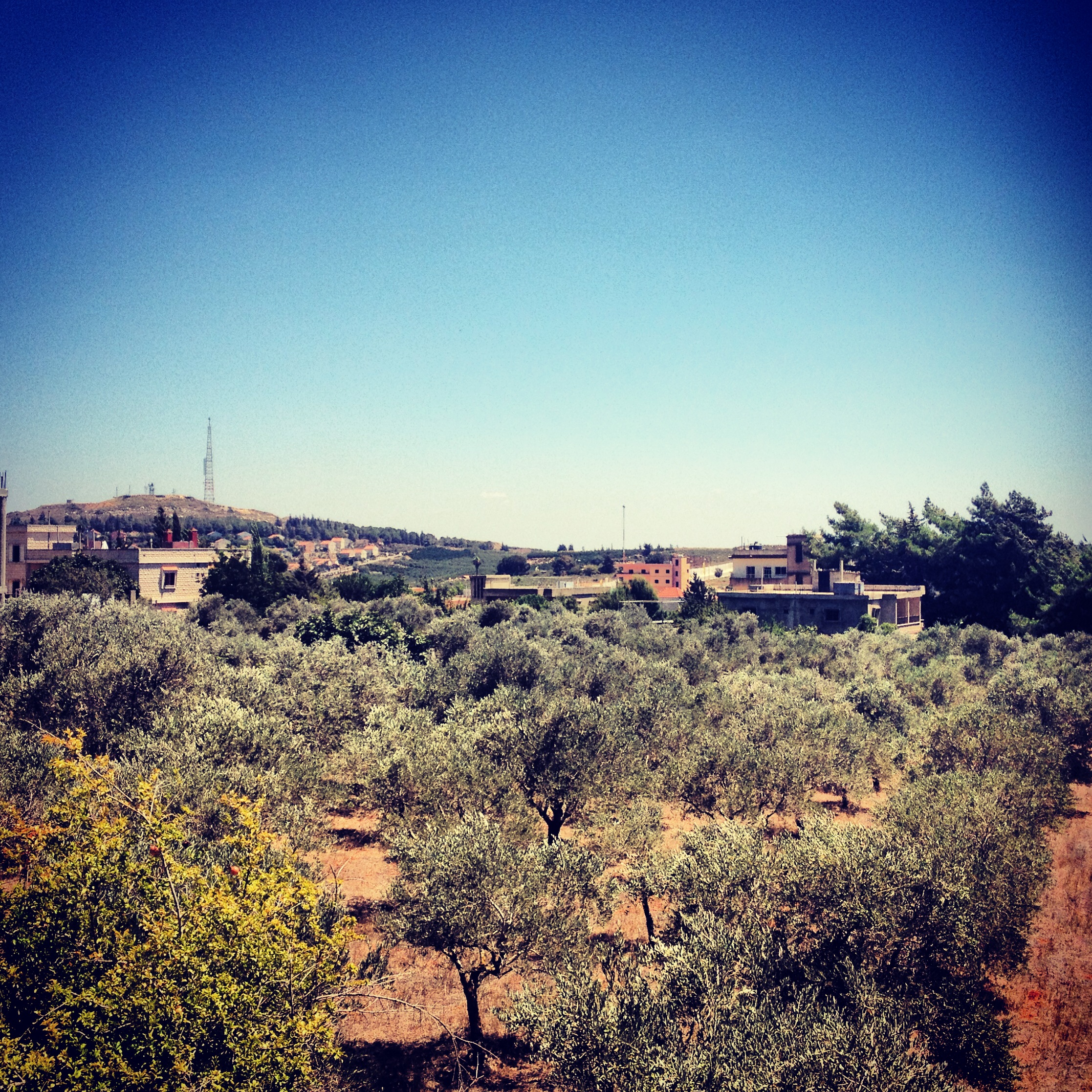
The border cuts through the Israeli town of Metula & the Lebanese village of Kfarkila, home of Fatima’s Gate. Driving along the greener part of the border away from the fence, you can get a full aerial view of the apple orchards in Metula. A resort vacation town with a line-up of model homes that resemble the Californian cliffs of Newport Beach, it is a Zionist* settlement whose founders were mostly Russian immigrants. Continuing up the mountain, you get to see past said border to the city known as Kiryat Shmona, a place Sayyed Hassan Nasrallah mentions in his speeches every once in a while. Kiryat Shmona used to be a bedouin village but is now home to a population of Jews of Moroccan descent, one-third of which is under the age of 19.

3rd stop: Town of Ghajar

20131019-172836.jpg
Ghajar from a distance

Ghajar is an Arab village on the Hasbani River on the southern Lebanese border with the Israeli-occupied Golan Heights. Essentially, this town has been “owned” by Lebanon, Israel, Syria or all three at different points in time. The population of 2000 are mainly Alawite, or “followers of Ali” – a branch of Shiite Islam with the greatest following in Syria. According to some southern Lebanese, Ghajar never used to be a town. A group of nomadic people had set up camp in the area and eventually formed roots there and that’s where its name originates from. Ghajar refers to the nomadic gypsies or bedouins.  I find it quite amusing that they decided to become permanent residents on a slab of land that is located on a tri-border. The northern half of the town is in Lebanese territory and the southern half is in Israeli territory while the population considers themselves Syrian. The residents have both Syrian and Israeli citizenship.

You can drive all the way up to the outskirts of the town but you’re not allowed in. The road is blocked by the Lebanese Armed Forces and UNIFIL. As you get closer, they inquire if you’re lost because this road is blocked and leads to Israel. Their smile is their way of telling you to u-turn because you’re at the end of the line.  Ironically enough, the Lebanese men guarding the perimeter are not allowed within the town either.

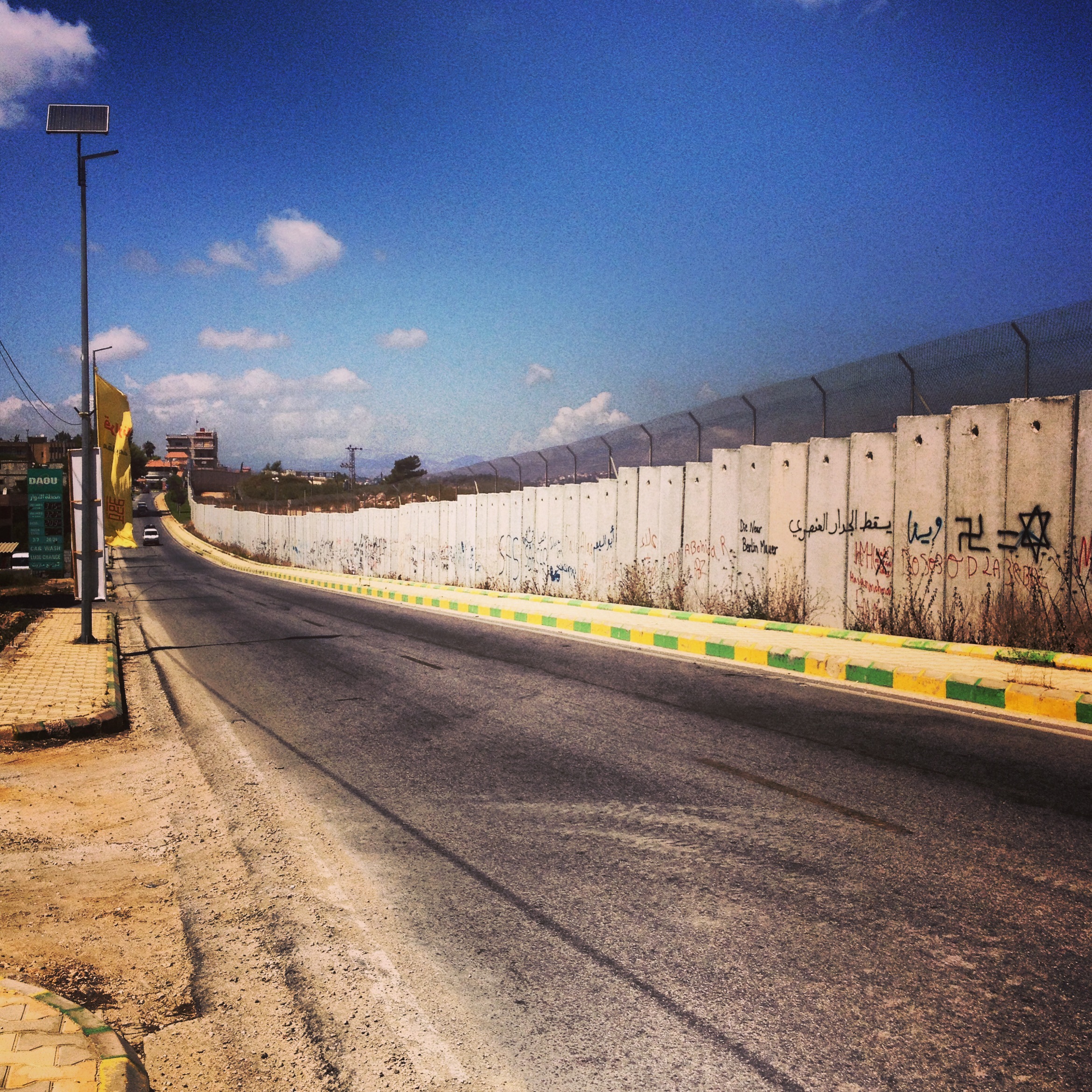
4th stop: Fatima’s Gate, the Apartheid Wall of Lebanon

IMG_9021
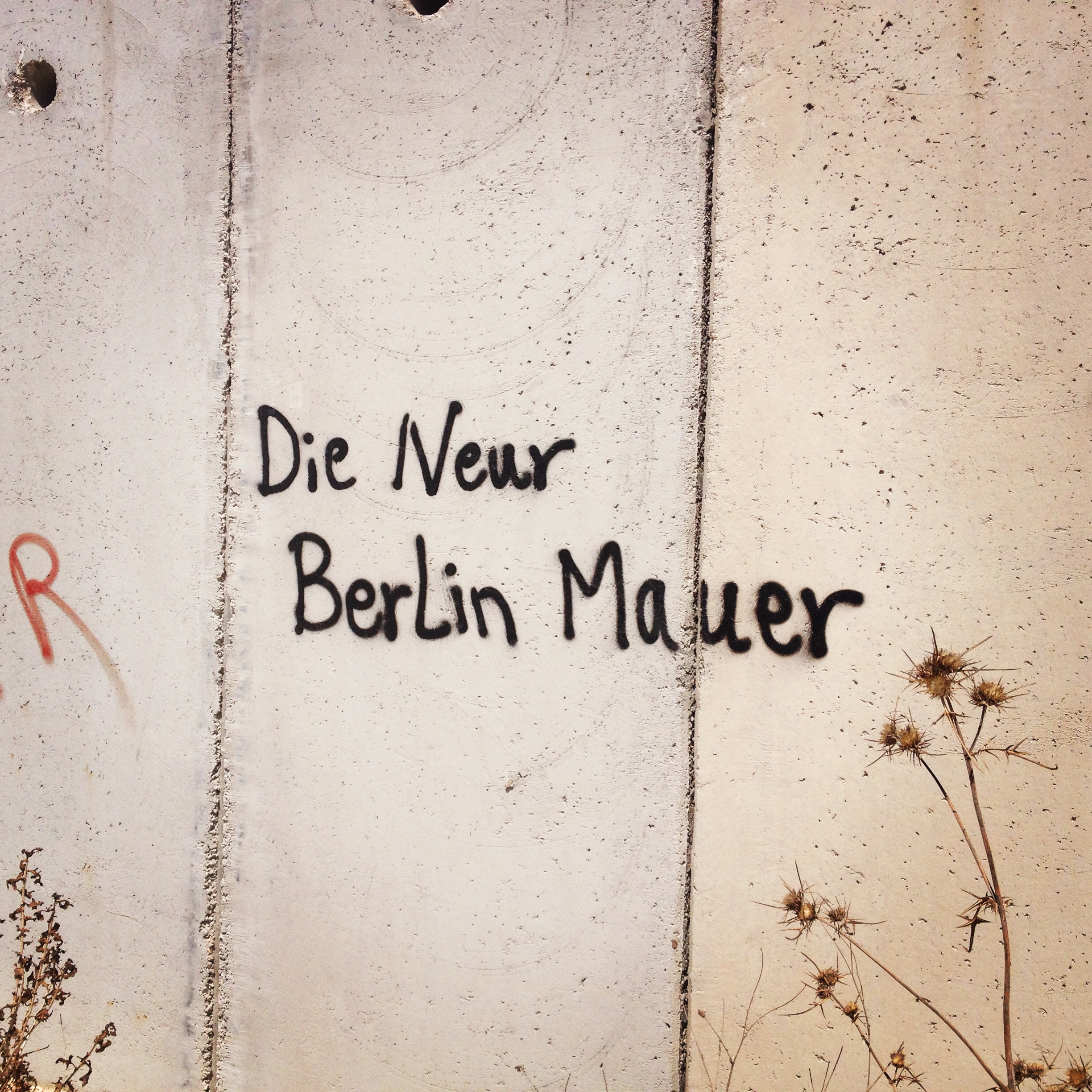
The New Berlin Wall
IMG_9016
IMG_8983


Prior to the Liberation of the South in 2000, this border was open and many Lebanese entered Israel looking for jobs and benefited from Israeli services (mostly medical). This was known as the “Good Fence Crossing” and allowed for export of goods from the Israeli port city of Haifa. After the Israeli withdrawal, the border was closed off. Good Fence Crossing became Fatima’s Gate after an injured woman who was on the border was asked “what’s your name?” upon being taken to a hospital in Haifa. Her name is actually Souhad and she was too afraid to give her real name to an Israeli.

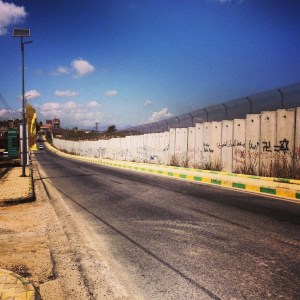
The fence used to be just that; transparent and harmless with barbed wire at the top. You could see the look-out posts as you walk by and you could wave to the Humvees that drove along it every hour. A few years ago, large sections of concrete wall replaced the fence only within the town of Kfarkila creating a mini version of the Apartheid Wall in the West Bank. It was erected because of tensions in this particular part of the border. The wall has poor graffiti done by youngsters based on content, talent, and height. I smell an opportunity for a new Waiting for the Train exhibition here – much like the graffiti on the wall of Palestine.

Contact me if you’re interested, no joke.

In an earlier version of this post, the Zionist settlement was erroneously described as the “Jewish settlement.” The occupation is not about religion and we must avoid confusion of the two.

Kfarmatta’s Abandoned Silk Mill

IMG_8707

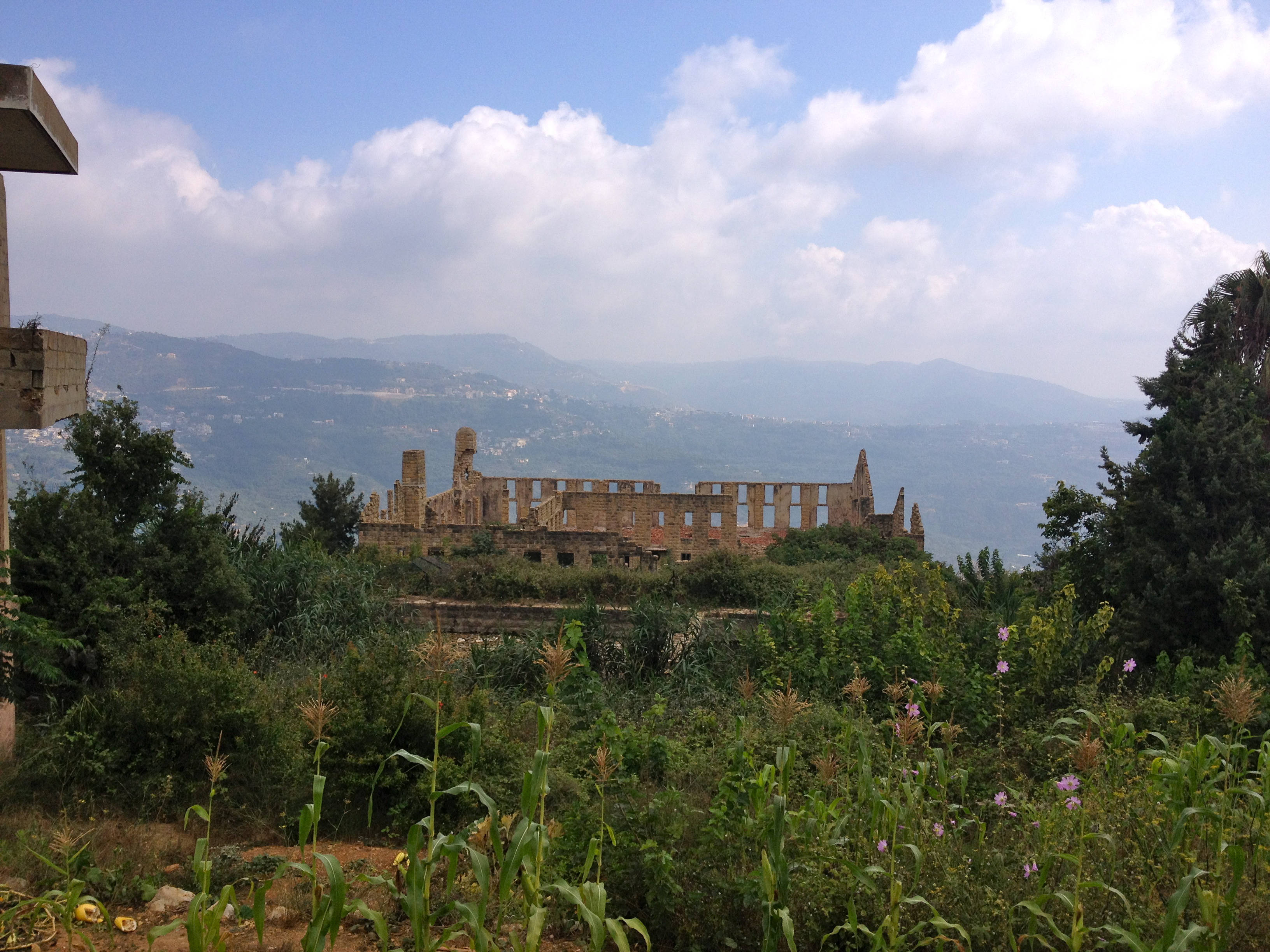
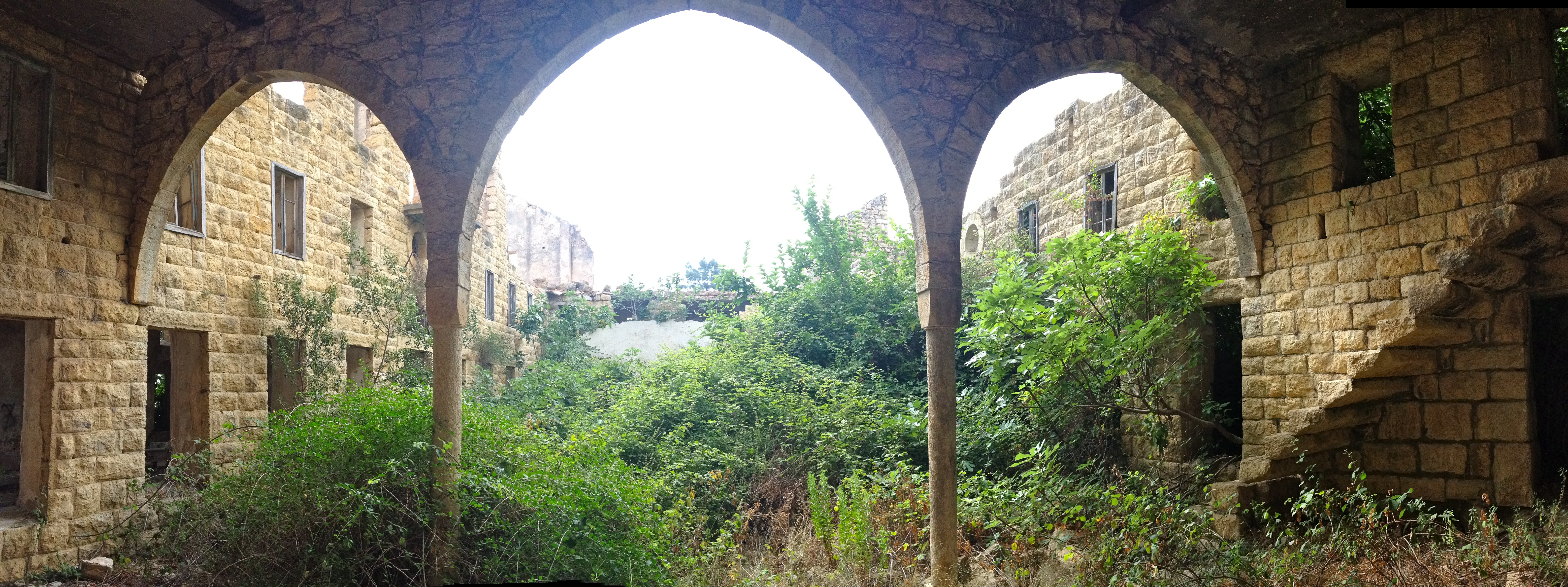
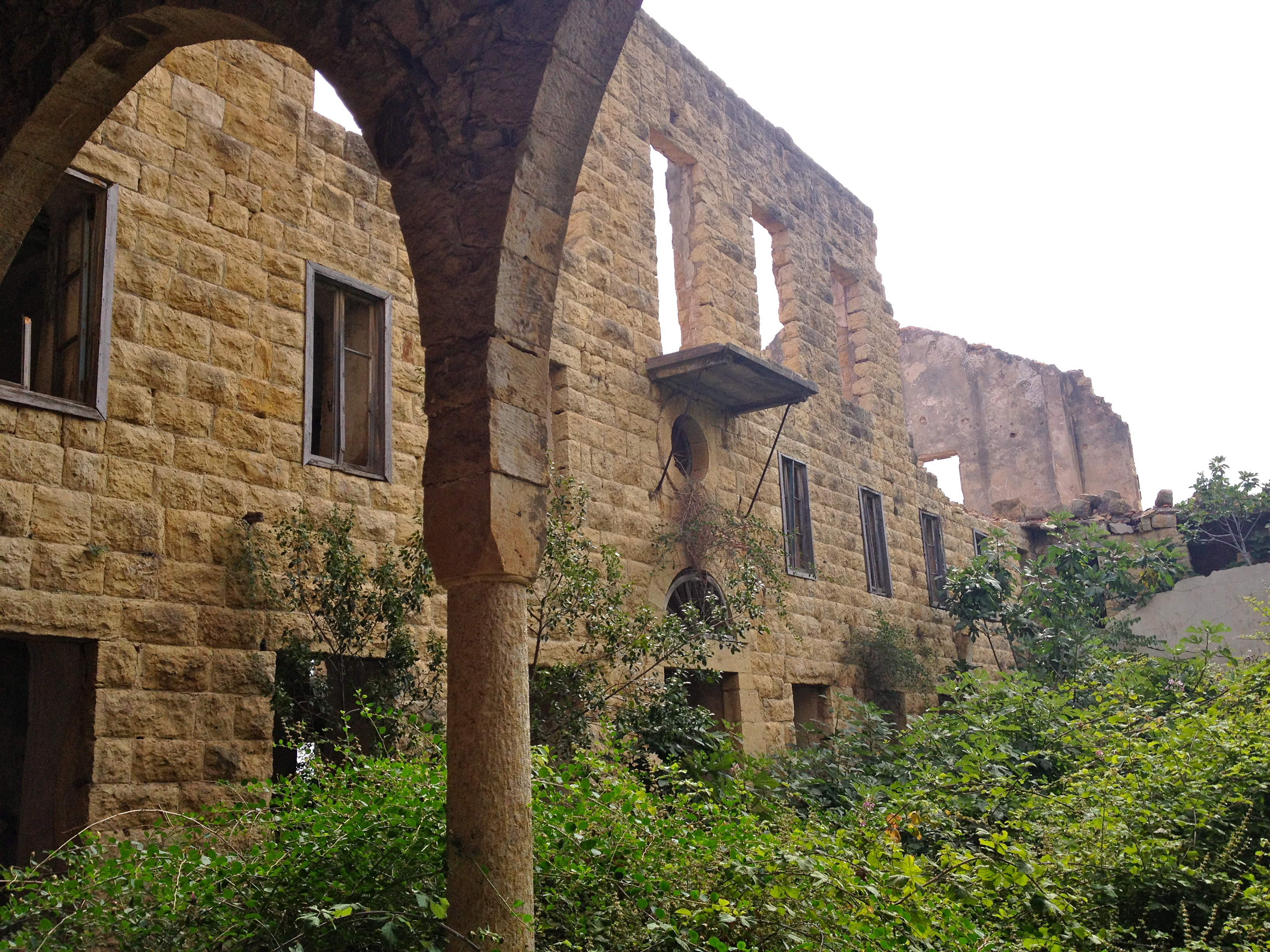
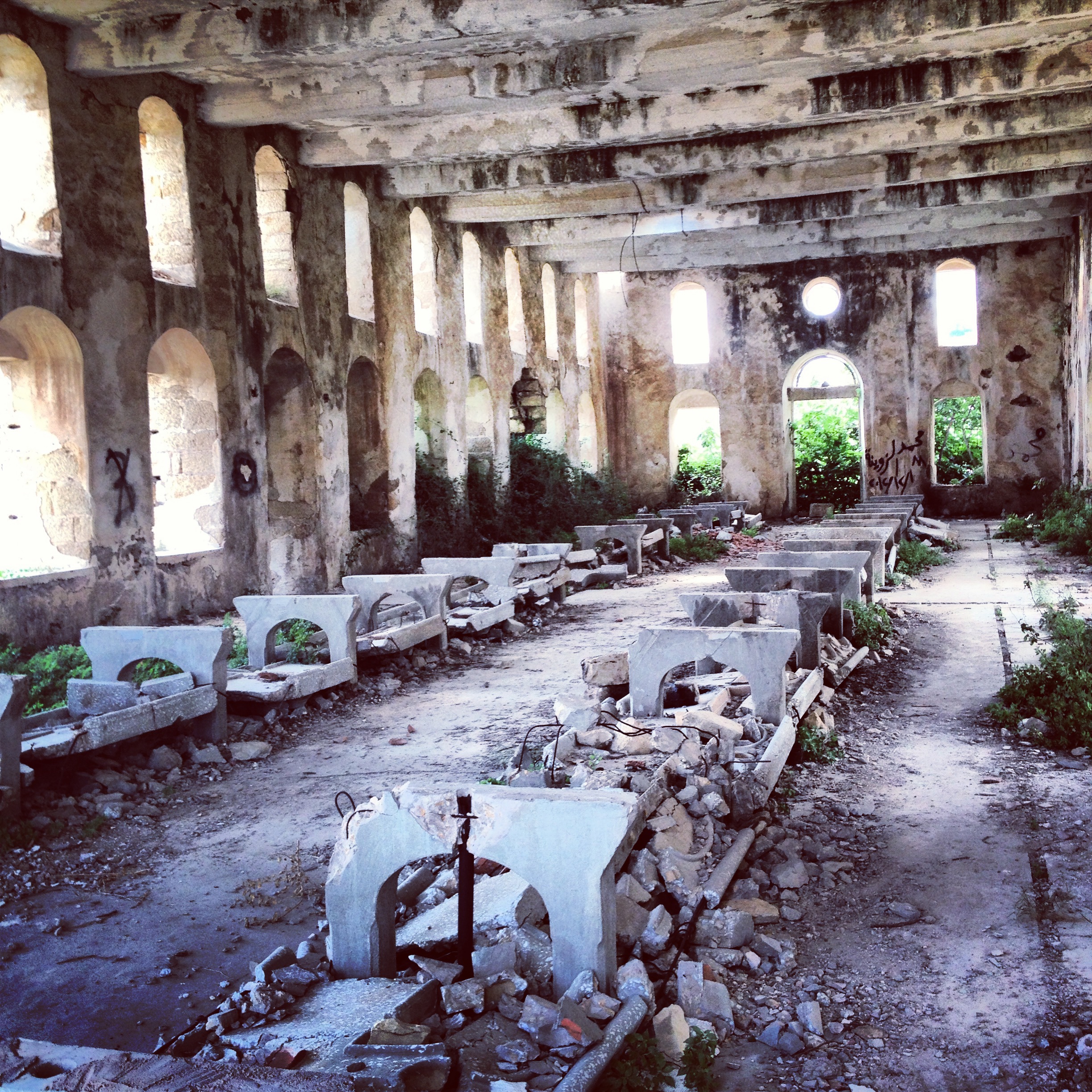
Kfarmatta, located near Souk El Ghareb on the way to Aley, is home to an old abandoned silk mill. Quite appropriate being 15 minutes away from the Silk Museum, this structure is left standing in the wilderness.

The mill is still in pretty good shape considering it’s completely forgotten. All of the shattered red shingles are still there in piles surrounding the sandstone walls, trees have overtaken the interior, most of the upper floor has crumbled, and the entire roof has collapsed. Silk mills are where machines are used to make silk into thread. Based on what I’ve read, most mills used water wheels to create a power source for the spinning machines that were set up in a large space. The main room of this particular silk mill seems to be where the working stations were. The well is not that far off and there is some form of piping/irrigation system that leads back to the large room. I will find out more about this upon my visit to the Silk Museum in Bsous.

IMG_8693 IMG_8694

IMG_8710

IMG_8696
IMG_8692

Floor plans and other architectural renderings of the mill (dated 1975) can be accessed on the AUB website here.

Oddly enough, when googled, the land comes up on a property website for $7.2 million ($200/sqm). I don’t see that sale happening anytime soon, but honestly that makes me very happy because it’s quite the site to see. Just look at the view from the artesian well:

IMG_8712