8 Things We Can Look Forward To

Update: Creamfields was cancelled due to the unstable situation. Poo.
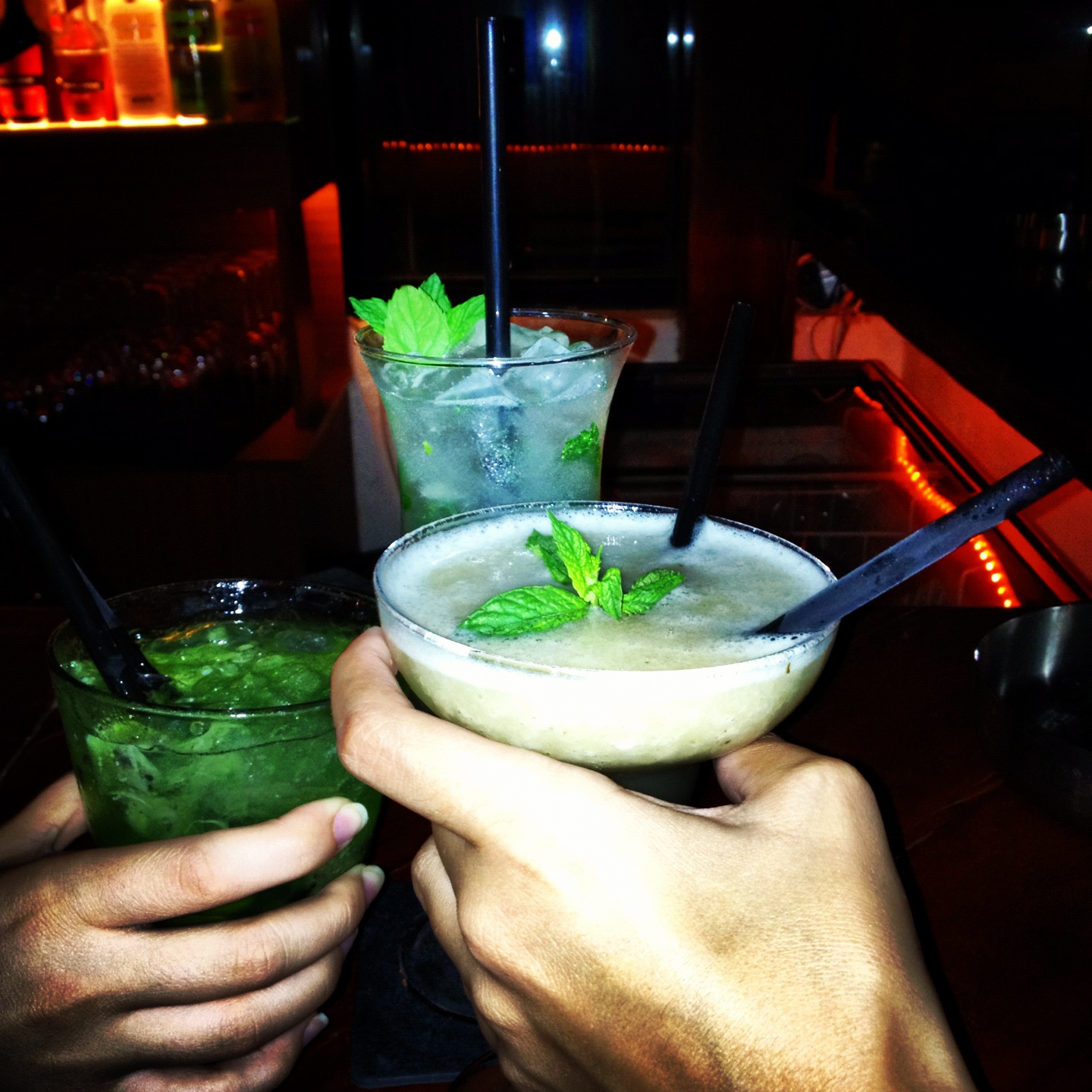
IMG_5731

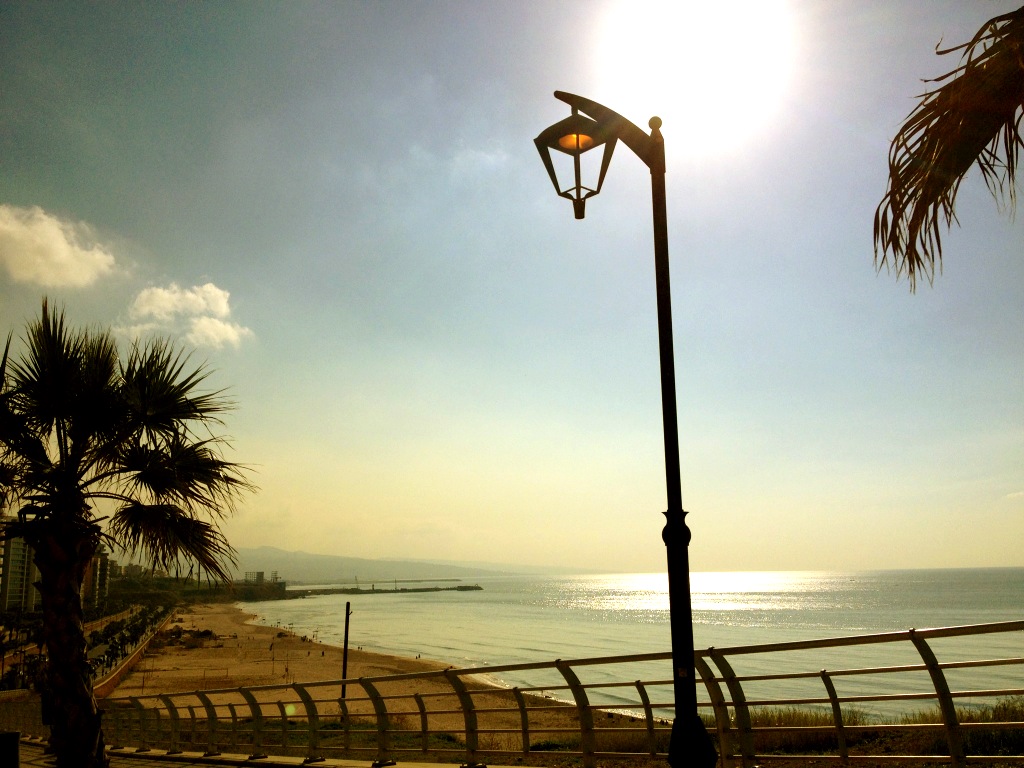
…instead of “World War III” as some people are dubbing it. There’s a lot of let’s-crap-on-our-country going around. Given that the situation is getting worse, I don’t blame people for being pessimistic and worrisome about what may be in store for us in the next few weeks or months; it is difficult to think about the future when you are afraid if you’ll have one. However, I’d like to remind you all that we can look forward to good things on the horizon, things that other people are putting in motion to make this country better, things that dissociate us with bombs, death, and destruction.

Remember, we can choose to drown or we can choose to swim.

1. Lebanon on Rails Exhibition – Sept 4-15, 2013

Train/Train NGO, mentioned previously on this blog, is working towards saving the legacy of the Lebanese Railways. They’re organizing an exhibition in Beirut Souks displaying old relics and photographs of the historical trains that used to run through the country years ago.

2. Thursdays with FERN at Tawlet – Sept 5, 2013

Also featured previously on this blog, FERN is an NGO that works towards incorporating better waste methods in Lebanon. Fresh salads, an open bar, and signature organic roasted chicken. $25 open dinner buffet, open 961 beer, open Lebanese wine and proceeds go to FERN’s efforts to improve Lebanon’s waste habits.

3. TEDxLAU #TheCrossRoad- Sept 7, 2013

Held at Gulbenkian Theatre, LAU campus – in usual TEDx fashion, speakers will be giving inspiring talks about their own journeys through life. Unfortunately, the event is already sold out but I will be live tweeting it so you can follow me on Twitter for a play-by-play in case you didn’t manage to snag a spot.

4. Creamfields – Sept 7, 2013

Gino’s got 7 reasons why you should attend this big shindig. It’s a massive music festival jam packed with a bunch of DJs on 3 stages brought to you by Uberhaus and White. And their posters have flooded Beirut so you might as well see what all the fuss is about.

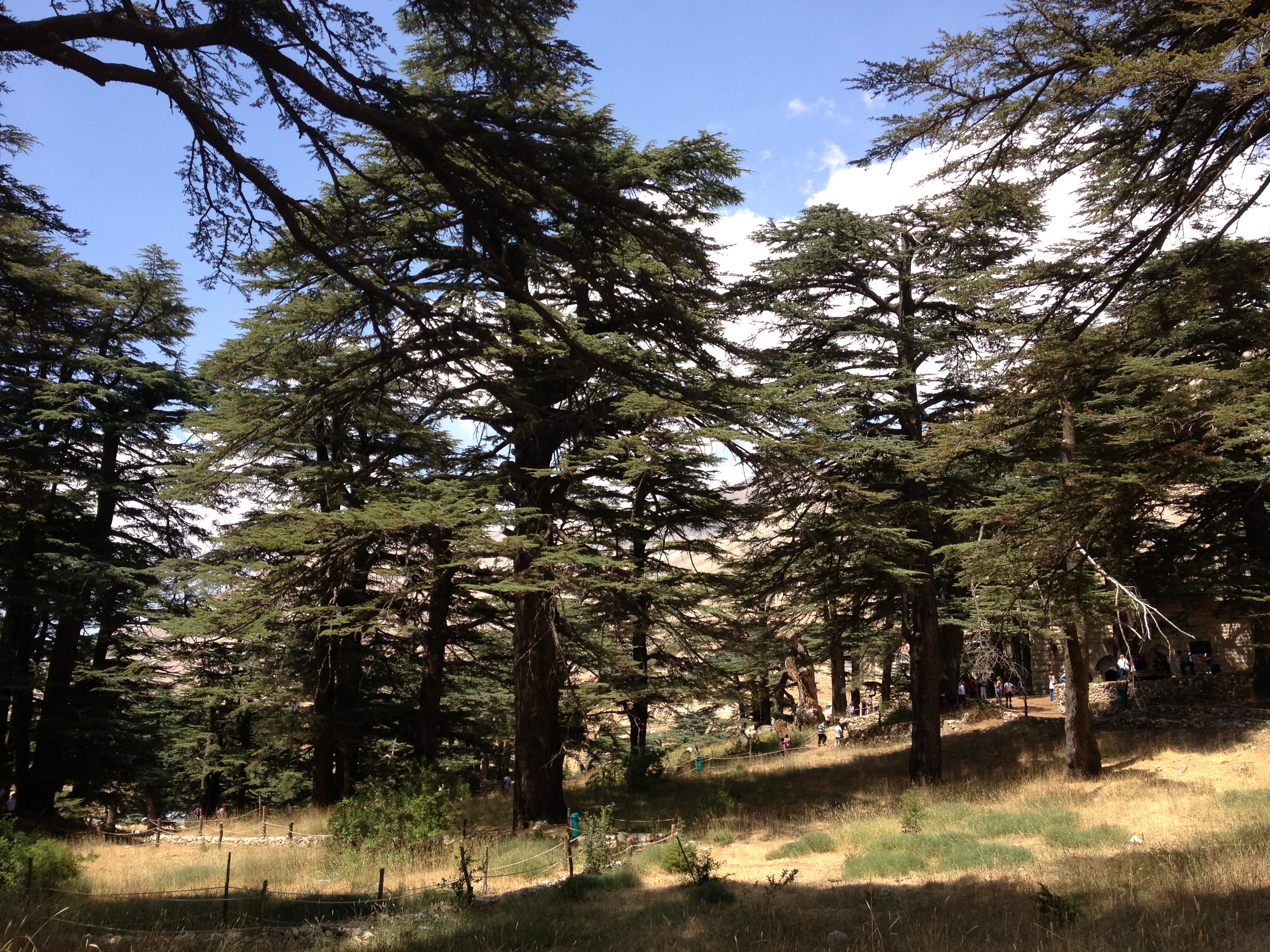
5. Horsh Ehden Nature Reserve Hike – Sept 7-8, 2013

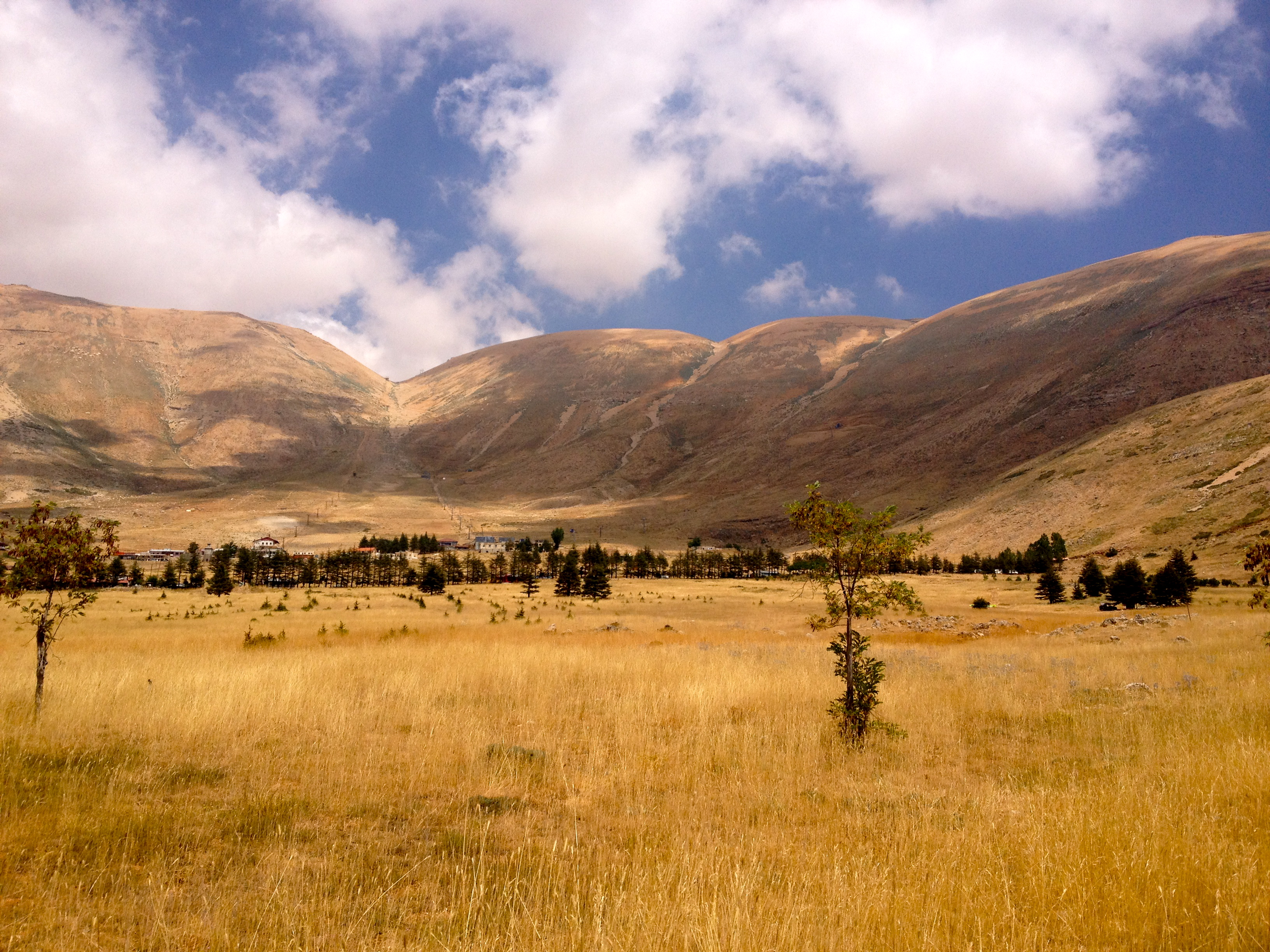
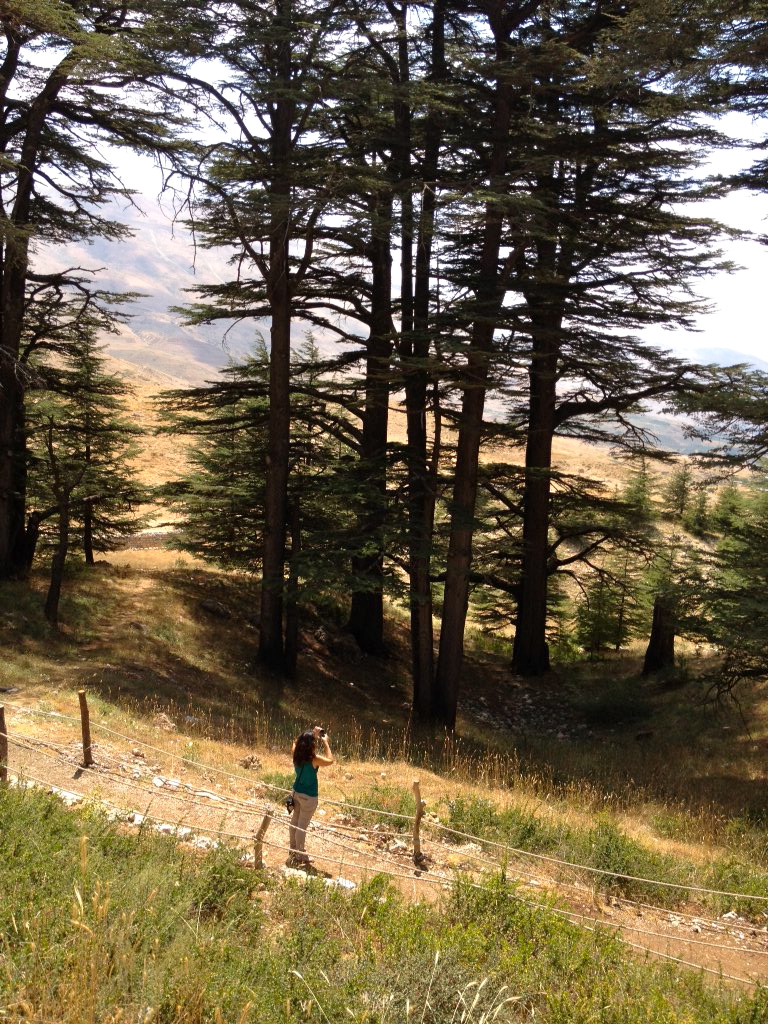
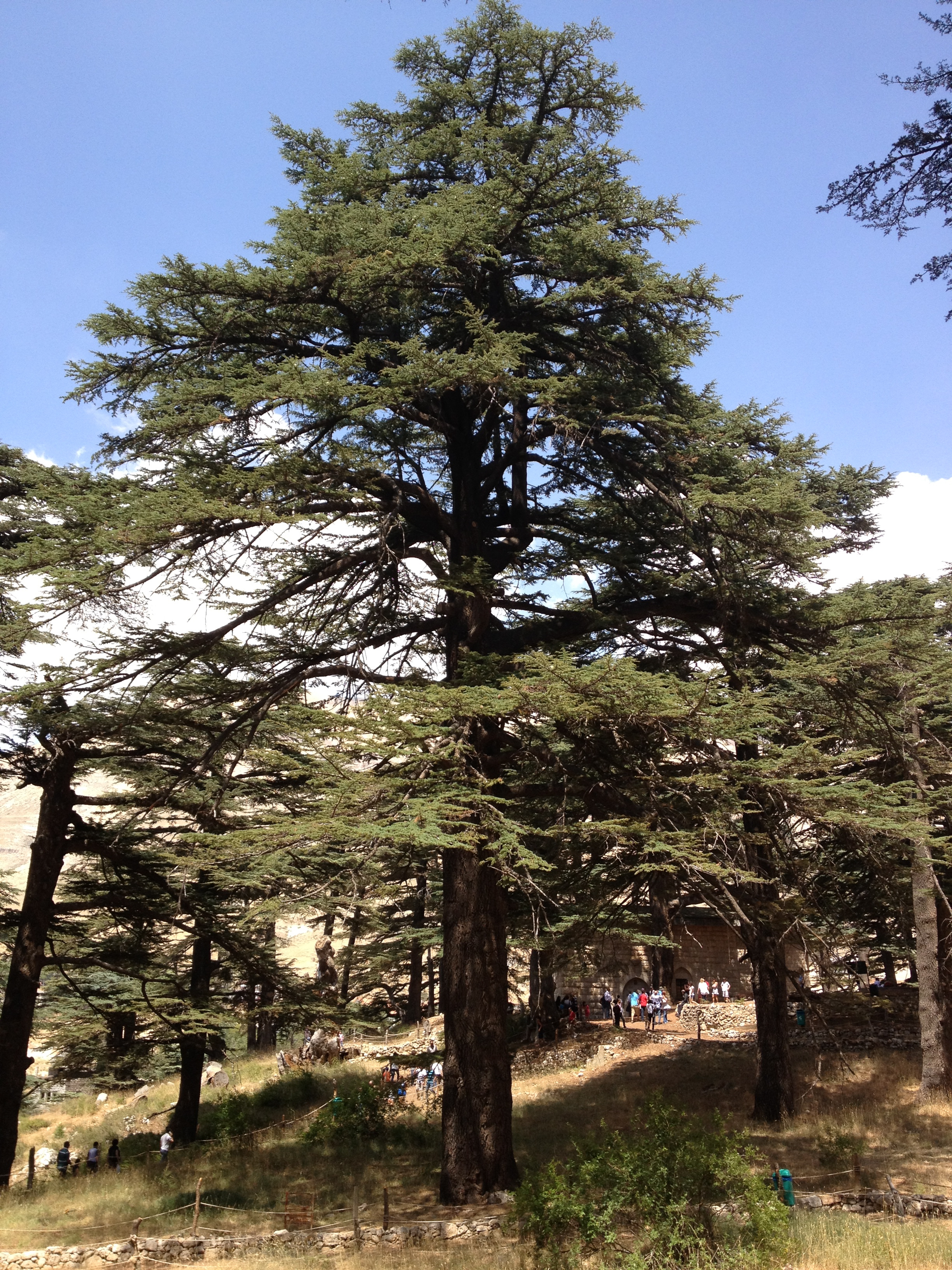
Two days of free hiking up in the cedars of Ehden is a great way to escape the city and hectic reminders of real life. The weather up there is cool and the fresh air will do you some good. It’s the perfect place to clear your head…and fill your stomach with kibbeh zghortawiyyeh from Ferdaws.

6. Wickerpark Music Festival – Sept 15, 2013

Project Revolver wrote about it – Looks like it’s going to be a fun day in Batroun. Sure, it’s free-spirited in a hippie way but why not? Wanton Bishops are great and the weather should be cool enough to spend a Sunday chilling “on the grass.”

7. Beirut Art Fair – Sept 19-22, 2013

The fourth edition of the Beirut Art Fair “stands out as a leading platform for the promotion of contemporary art & design” for the Middle East, North Africa, South Asia. Collections are comprised of paintings, sculptures, designs, installation art, video and photography.

8. Beirut Energy Forum – Sept 26-27, 2013

Said to be “the largest event in Lebanon and the region related to energy efficiency, renewable energy, and green buildings”  will be going on for the 4th time at Le Royal Hotel, Dbayeh. It’s supposed to be a 2-day conference with presentations and speakers from all over the world. Dr. James Woudhuysen, the keynote speaker, is Professor of Forecasting and Innovation at De Montfort University, Leicester in the UK. As usual, places are limited so you have to register but I’m intrigued as to what this event is going to propose for a nation so in need of alternatives in this sector.

And a whole bunch of other things going on this month can be found here.
What Lebanon Could Be…

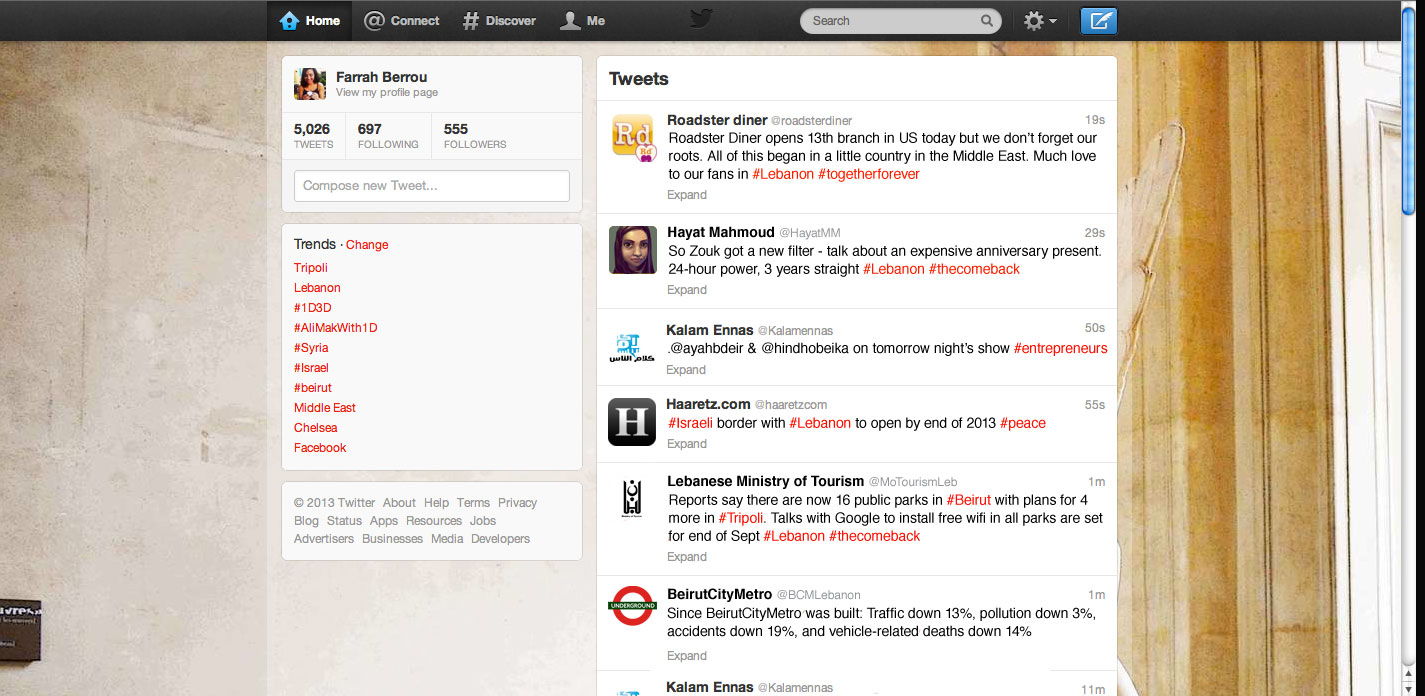
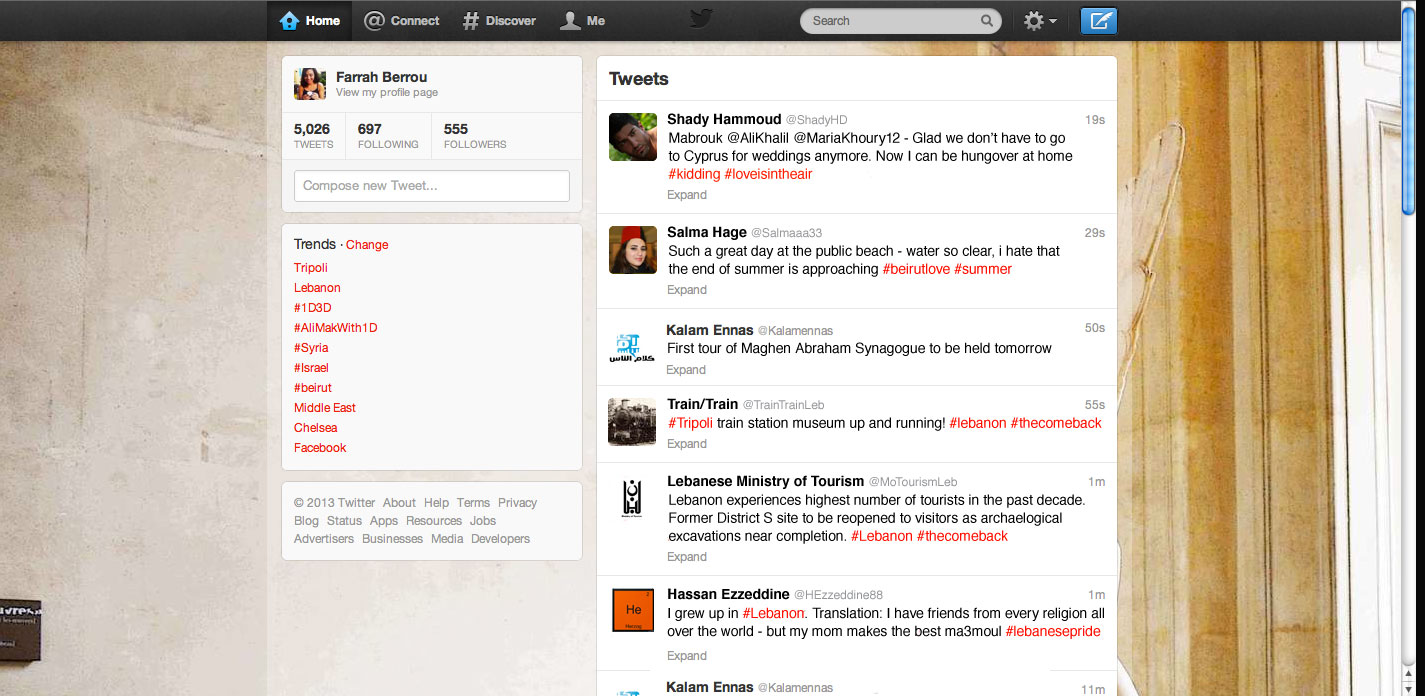
Lebanon is trending on Twitter…if only it were for different reasons. This is what I wish my Twitter feed looked like:

Twitter1

Click to Enlarge

Twitter2

Click to Enlarge

Time to Crash a Wedding

IMG_3372

UPDATE: A report by NOW Lebanon claims that the state is stopping the works near the forest in Bcharre. It also states that the works were not uprooting trees, but moving soil & rocks to construct an amphitheater for the wedding of William Tawk – movement that could affect the rest of the forest. 

As reported by LBC, Gebran Tawk’s son is having a big fat wedding – so fat that he needs a forest removed just so he can have it. Not just any forest, a forest of cedar trees in Bcharre, home of another Gibran.

“It is worth noting that the ancient forest is listed on the World Heritage List of UNESCO; a list that requires the protection of classified sites and their surroundings within an area exceeding 500 square meters; however, the preparation activities carried out in the vicinity may obliterate the existence of the forest.”

IMG_3417

IMG_3386

The Lebanese Cedar tree, or Cedrus libani, grows in Lebanon, Palestine, Israel, northwest Jordan, western Syria, and south central Turkey. It is on our flag. It is our symbol. It is endangered. I have visited the Cedar Reserves in the Shouf & Tannourine. Cedars are sensitive organisms that require high elevation to grow (4,000-6,000 ft above sea level). Because their seeds need to be buried in snow for a minimum of two months, they are also in danger due to climate change. In a BBC article, Nizar Hani, Shouf Cedar Reserve scientific coordinator, said “isolated populations of trees will be more affected by climate change, so increasing the area of the cedar forests could help.” Instead, we’re clearing the area for round tables and a 3-day wedding for three thousand. Two years ago, Al Arabiya’s Rima Maktabi (she was reporting for CNN for a short period) reported that eco-tourism had been booming thanks to these forests and, as a result, many villagers could sell their homemade products such as jams, honey, and oils, to visiting tourists.

IMG_3381

The cedars were used in King Solomon’s temple and they were exported by the Phoenicians. They are mentioned in the earliest written records of the Sumerians dating from the third millennium BC, the Epic of Gilgamesh, and the Bible.

Mr. Tawk, you are a former Lebanese deputy, a citizen of this nation’s soil, and you should be ashamed of yourself.  By destroying a forest of cedars, you are ripping out the veins of our country’s heart and you are defecating all over our heritage. Mabrouk lal 3arees.

Kfarmatta’s Abandoned Silk Mill

IMG_8707

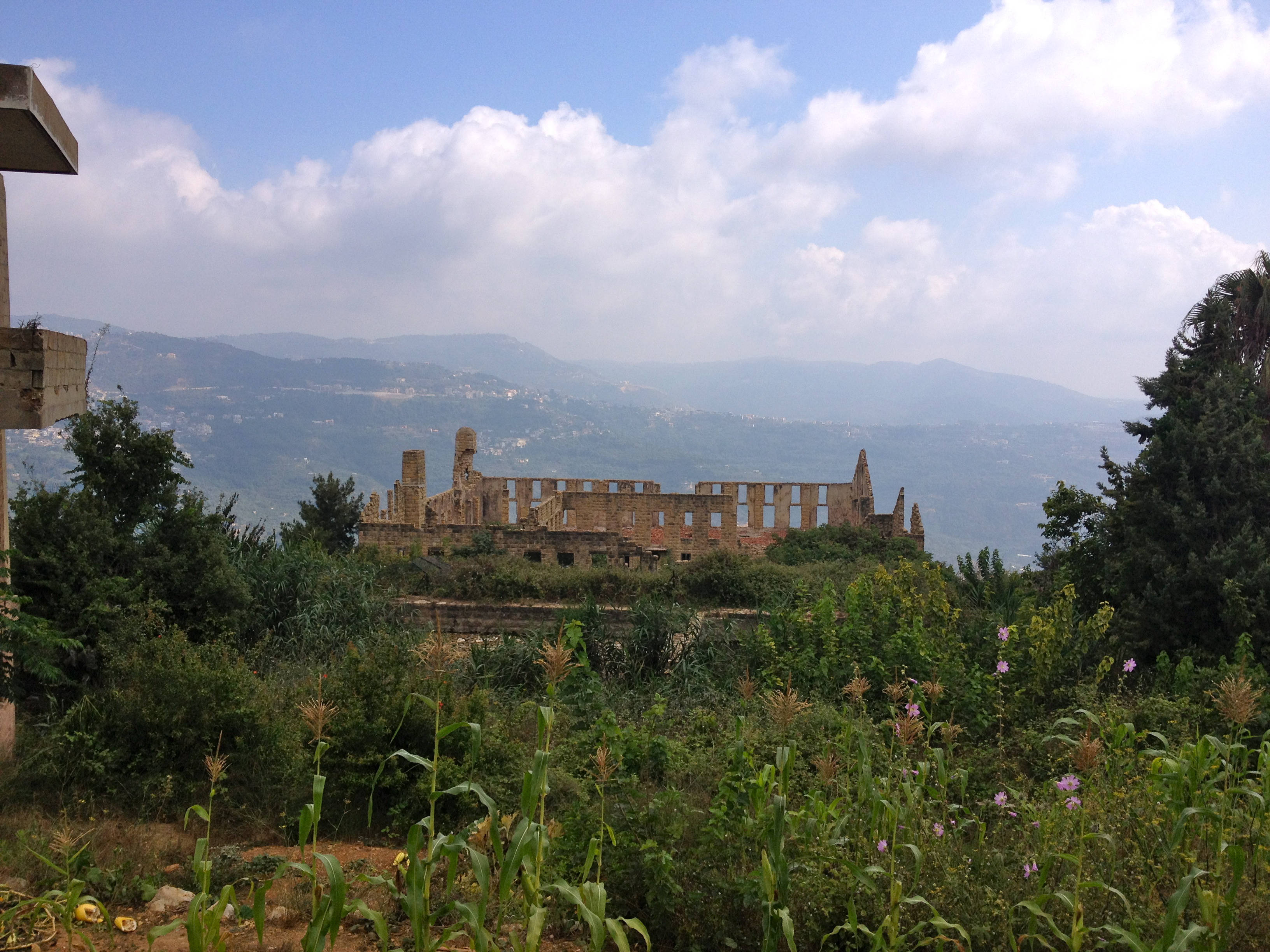
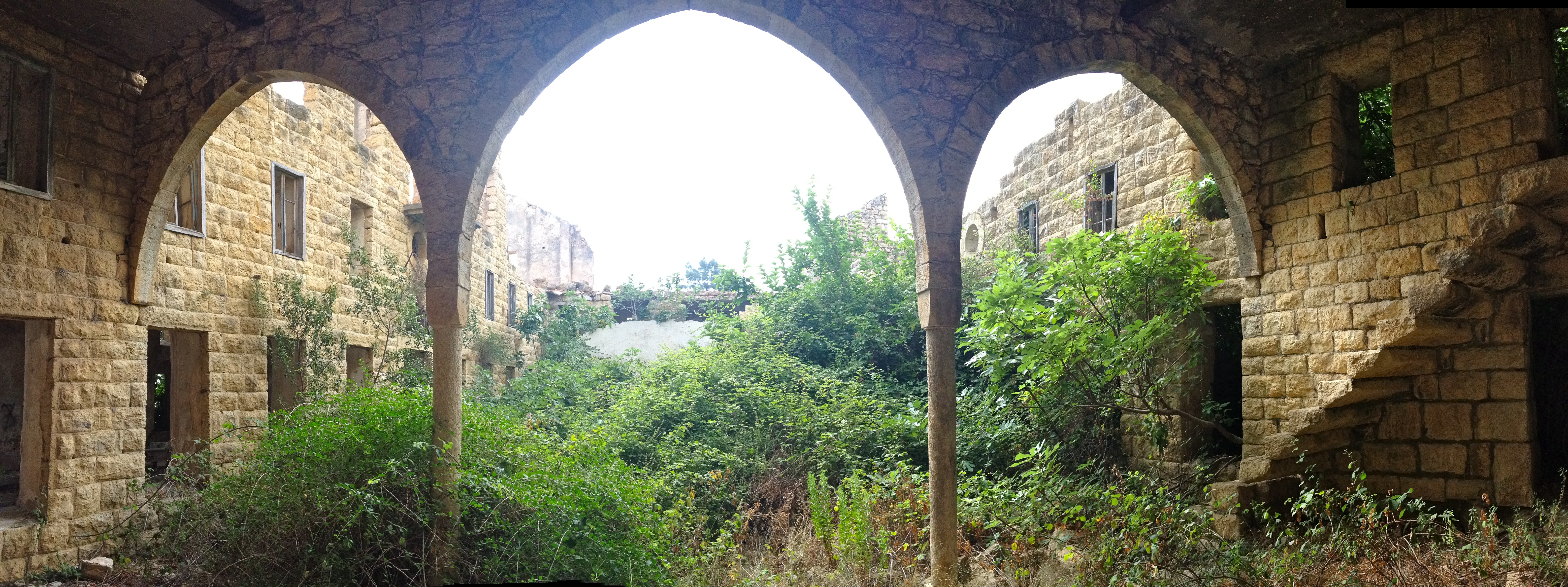
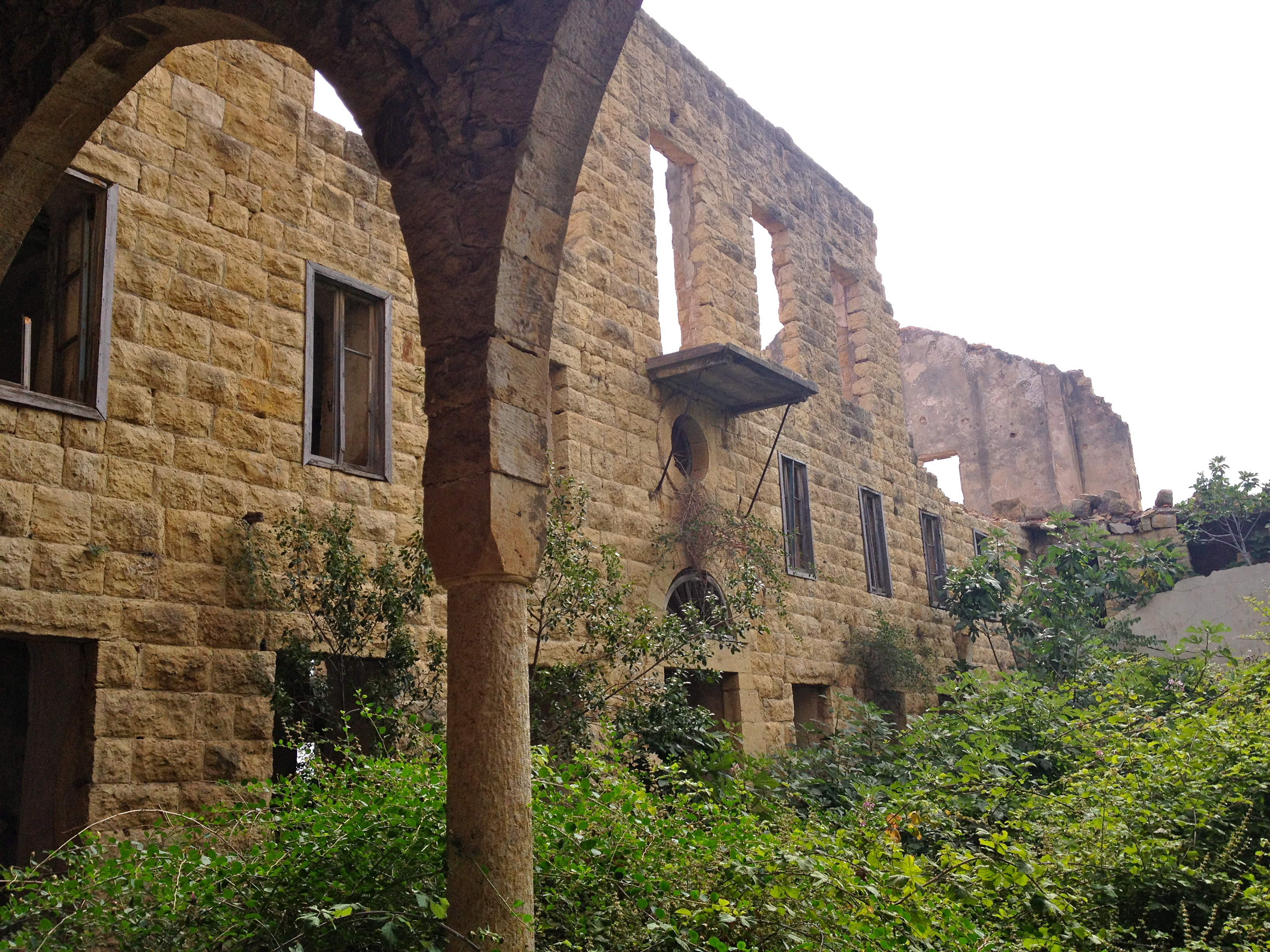
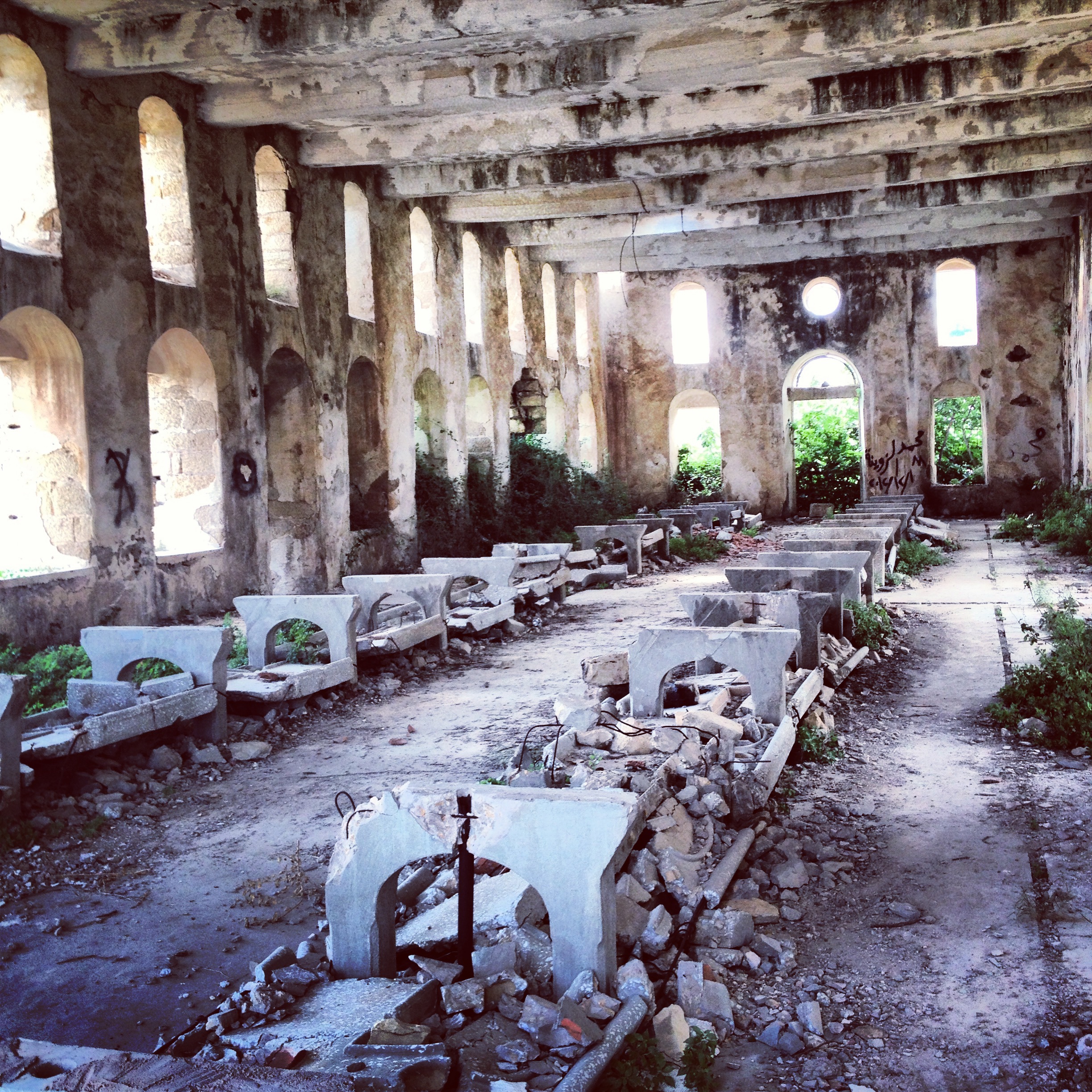
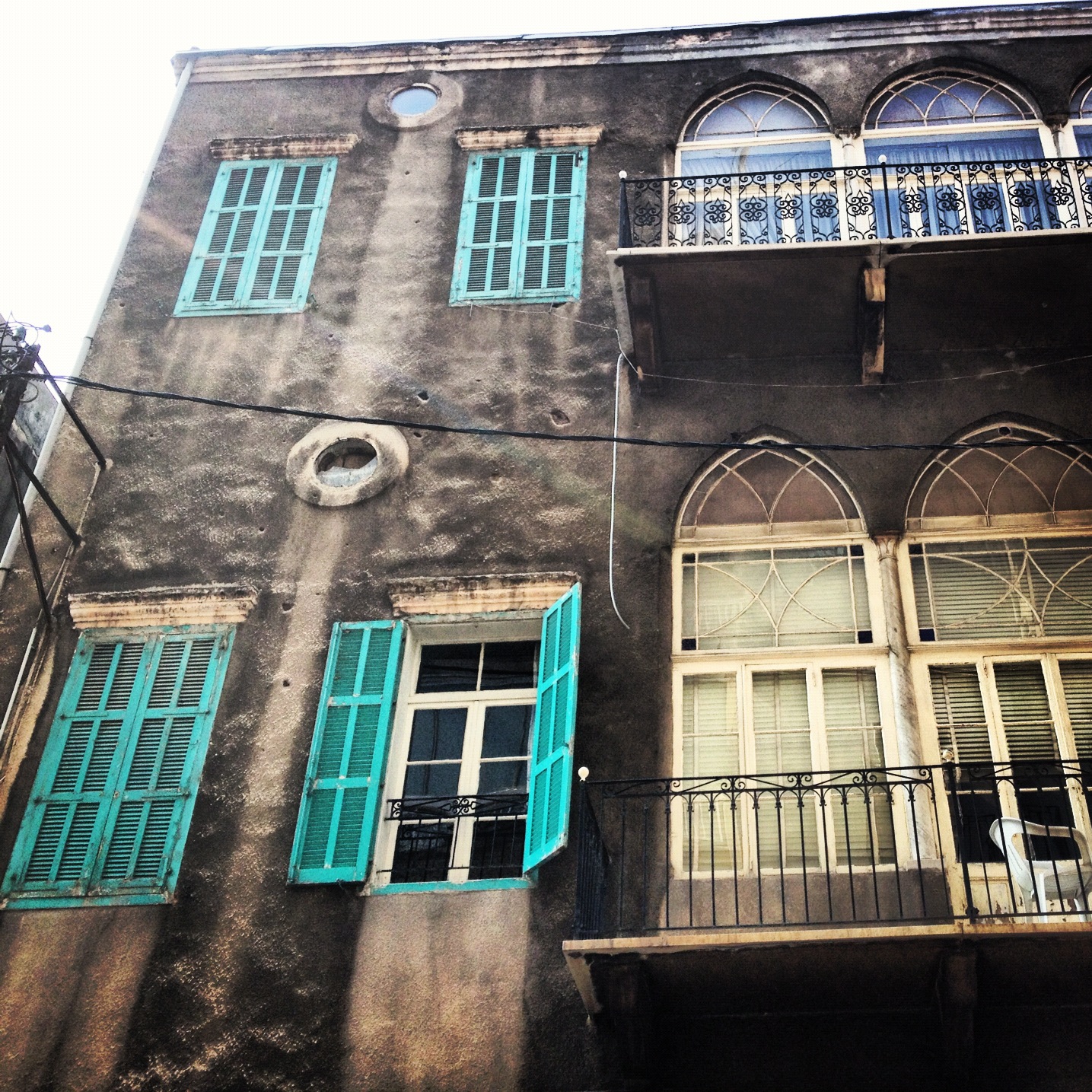
Kfarmatta, located near Souk El Ghareb on the way to Aley, is home to an old abandoned silk mill. Quite appropriate being 15 minutes away from the Silk Museum, this structure is left standing in the wilderness.

The mill is still in pretty good shape considering it’s completely forgotten. All of the shattered red shingles are still there in piles surrounding the sandstone walls, trees have overtaken the interior, most of the upper floor has crumbled, and the entire roof has collapsed. Silk mills are where machines are used to make silk into thread. Based on what I’ve read, most mills used water wheels to create a power source for the spinning machines that were set up in a large space. The main room of this particular silk mill seems to be where the working stations were. The well is not that far off and there is some form of piping/irrigation system that leads back to the large room. I will find out more about this upon my visit to the Silk Museum in Bsous.

IMG_8693 IMG_8694

IMG_8710

IMG_8696
IMG_8692

Floor plans and other architectural renderings of the mill (dated 1975) can be accessed on the AUB website here.
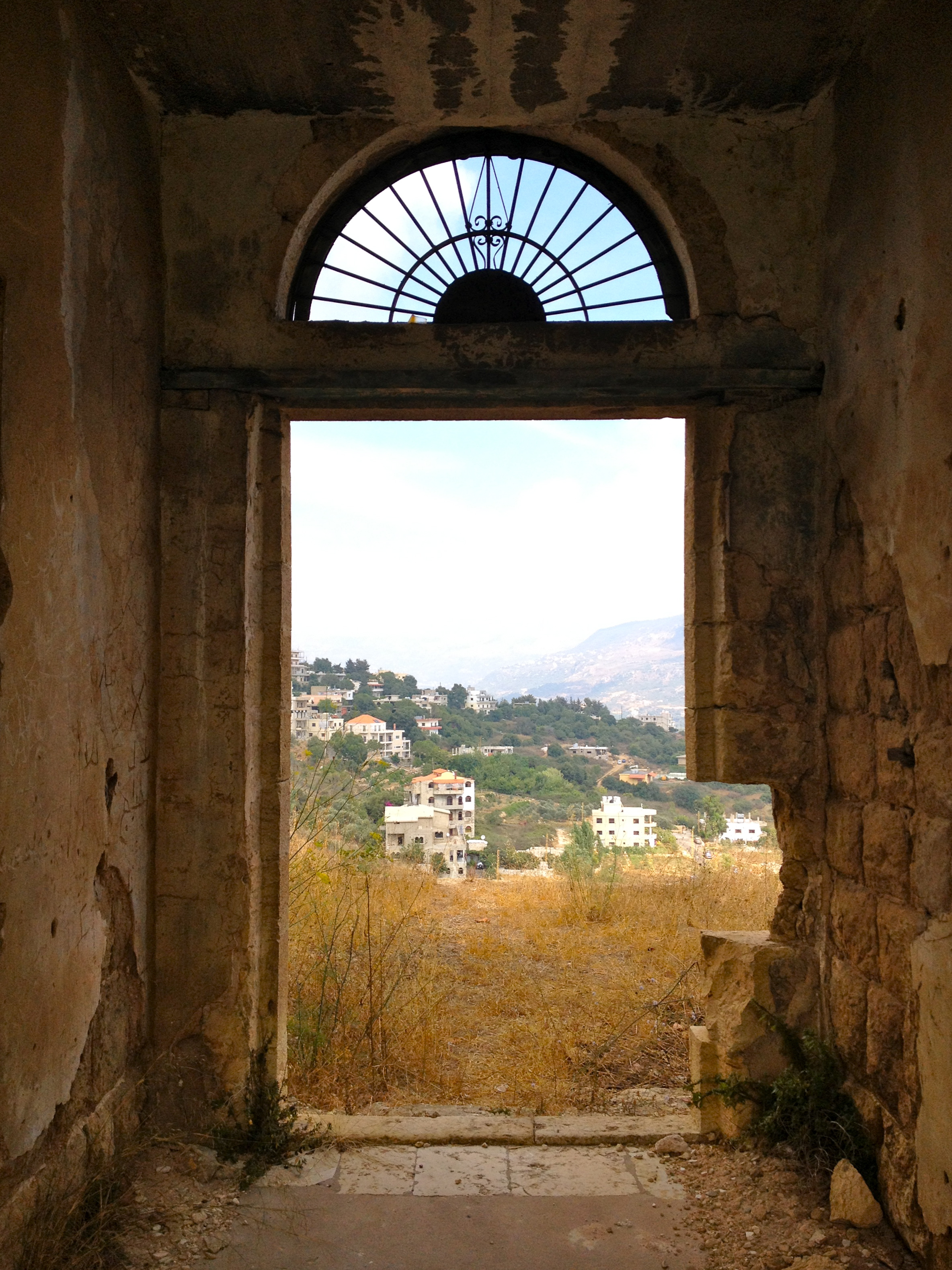
Oddly enough, when googled, the land comes up on a property website for $7.2 million ($200/sqm). I don’t see that sale happening anytime soon, but honestly that makes me very happy because it’s quite the site to see. Just look at the view from the artesian well:

IMG_8712

Why Do You Stay?

IMG_3884

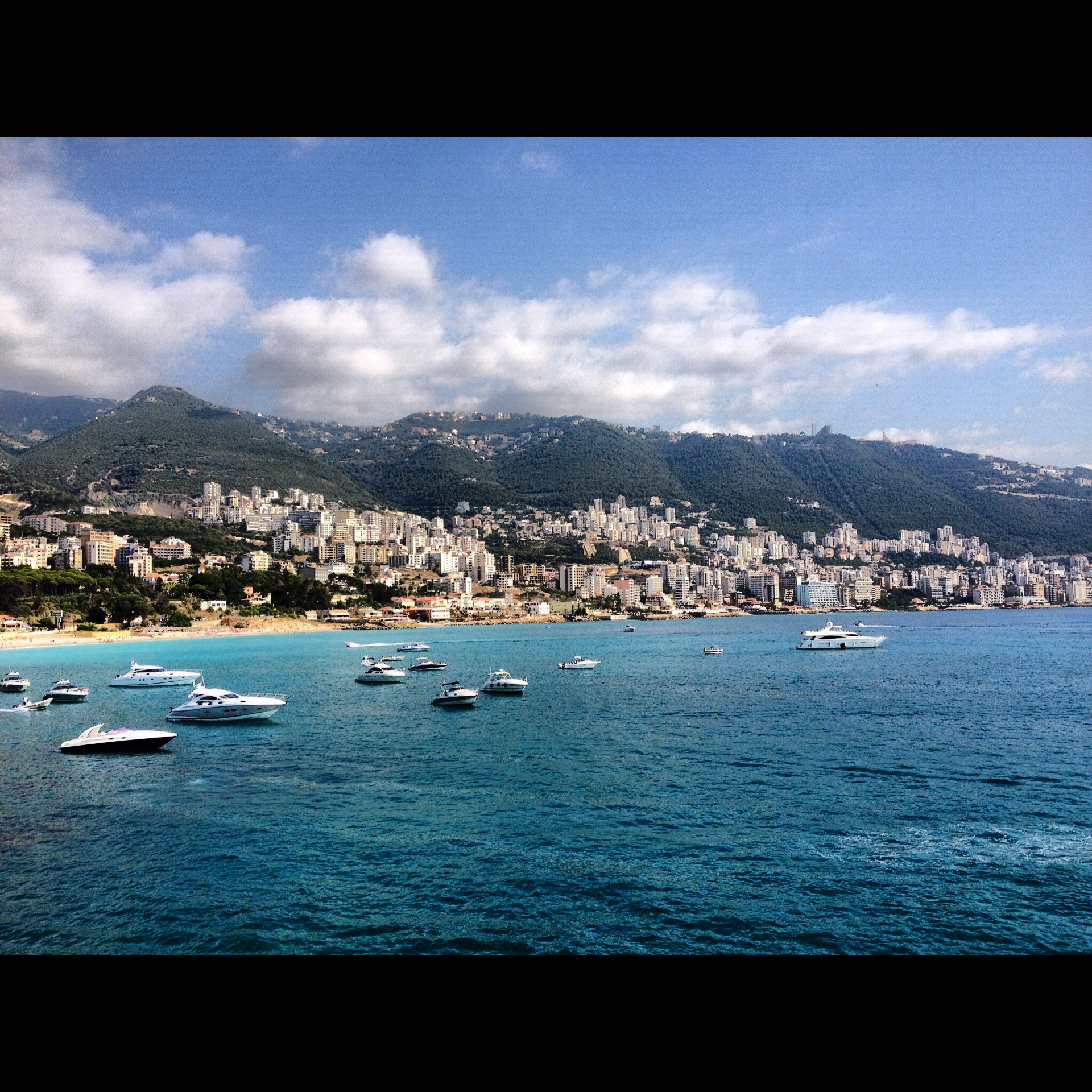
Jounieh Bay, Sept 2012

A friend’s status on Facebook said “What’s keeping me here, I don’t even know” Given recent events, a lot of us are asking ourselves the same understandable question. I know how difficult it can be to live in Lebanon but I know that many people abroad would prefer to be here if circumstances were better. Regardless of where you are right now, I thought I’d write down a few reasons why the collective “you” stay or wish you could.

Why do you stay?

You stay because of your family,
you can’t abandon them selfishly.
You stay because of your job,
you can’t just expect a good opportunity to pop up wherever you go.
You stay because you don’t have a visa,
you don’t have the freedom to just book a ticket for any destination.
You stay because you just bought a car,
you’ve invested in something that is rooted here and it’s yours.
You stay because your Teta is getting older,
you can’t leave when you don’t know how much longer she’ll be around.
You stay because you’re relatively broke,
you can’t afford the living expenses abroad.

No.

Maybe you stay because you want to.
Because your clothes and hair smell like coal after mashewe in June.
Because of the taste of leftover manoushe heated on the soubiyya in January.
Because there’s a lost week of summer that makes an appearance in October.
Because of multicolored plaid patchwork in the plains of the Bekaa in April.
Because of Bliss House Chocolat Mou during the power-cuts of August.
Because of the color of the Jounieh Bay’s waters during September.
Because of chilled janerek rolled in salt in May.
Because of nostalgic reunions thanks to international vacation schedules overlapping during December.
Because the acoustics of the Byblos Port create musical synchronicity with the sea waves in July.
Because of Uncle Deek Nescafe in the car during kazdouras in February.
Because of the sun-rays bouncing on the Mediterranean in the middle of November.
Because of the crunching sound of the melting snow on asphalt in the middle of March.
Because you want to see Lebanon rise not like a phoenix, but like a dragon that will breathe fire not become it.
Because you want to raise your children in the country where they are a part of her soil and stone because you helped save her.
Because you want to call this place home.

Why do you stay?
You stay because you want to.

[mashewe: BBQ/grilled meats, soubiyya: old-fashioned heater, janerek: green plums, kazdoura: cruise in the car]

It’s Food Week with FERN

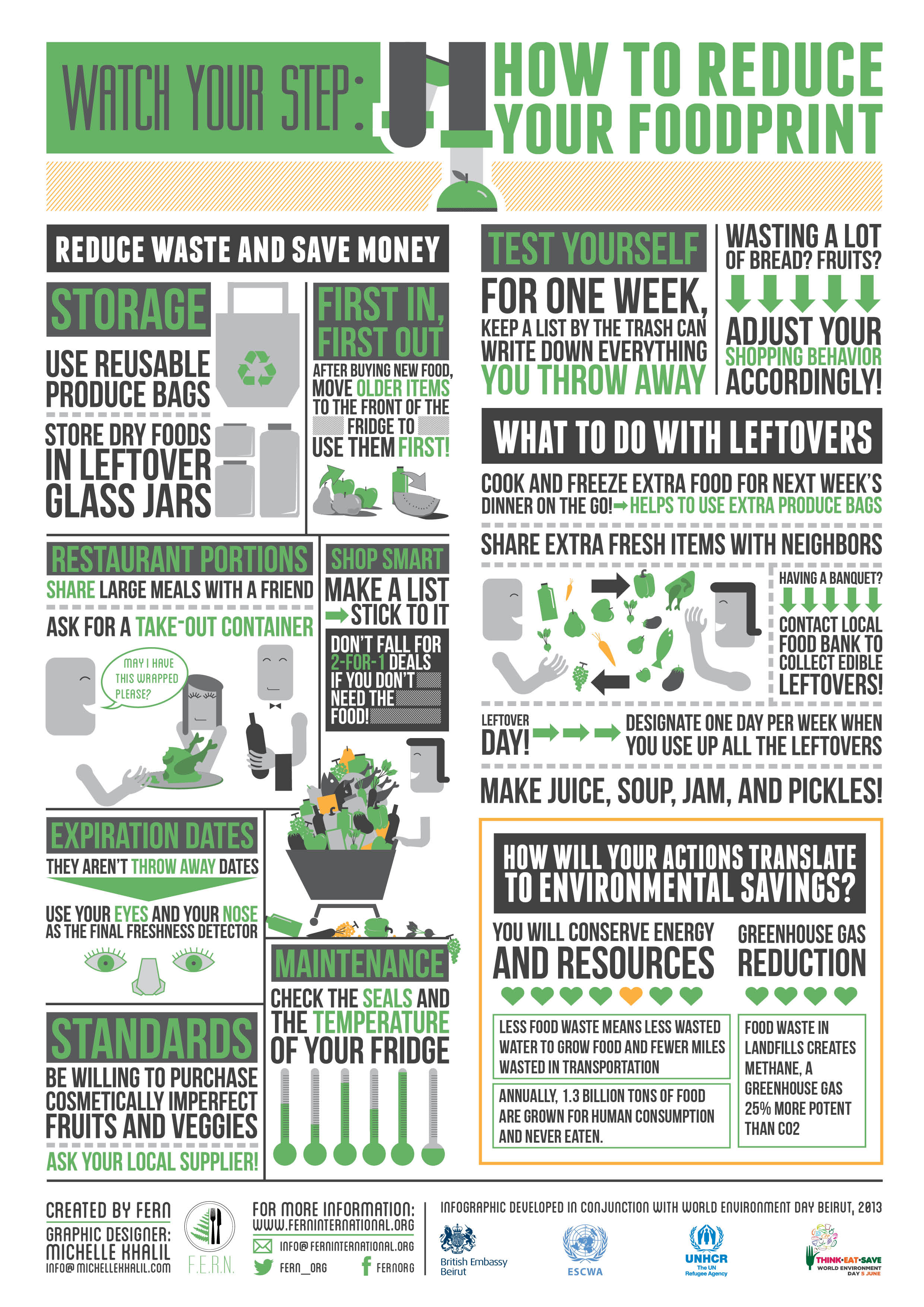
FERN infographic (ENG)

Click me because infographics are cool.

A week-long series of events is about to be unleashed upon us and it’s all fun and games that goes for a good cause. That, and it revolves around food. FERN, Food Establishments Recycling Nutrients, is a Lebanese NGO working to reduce food waste, improve composting, and recycling efforts.

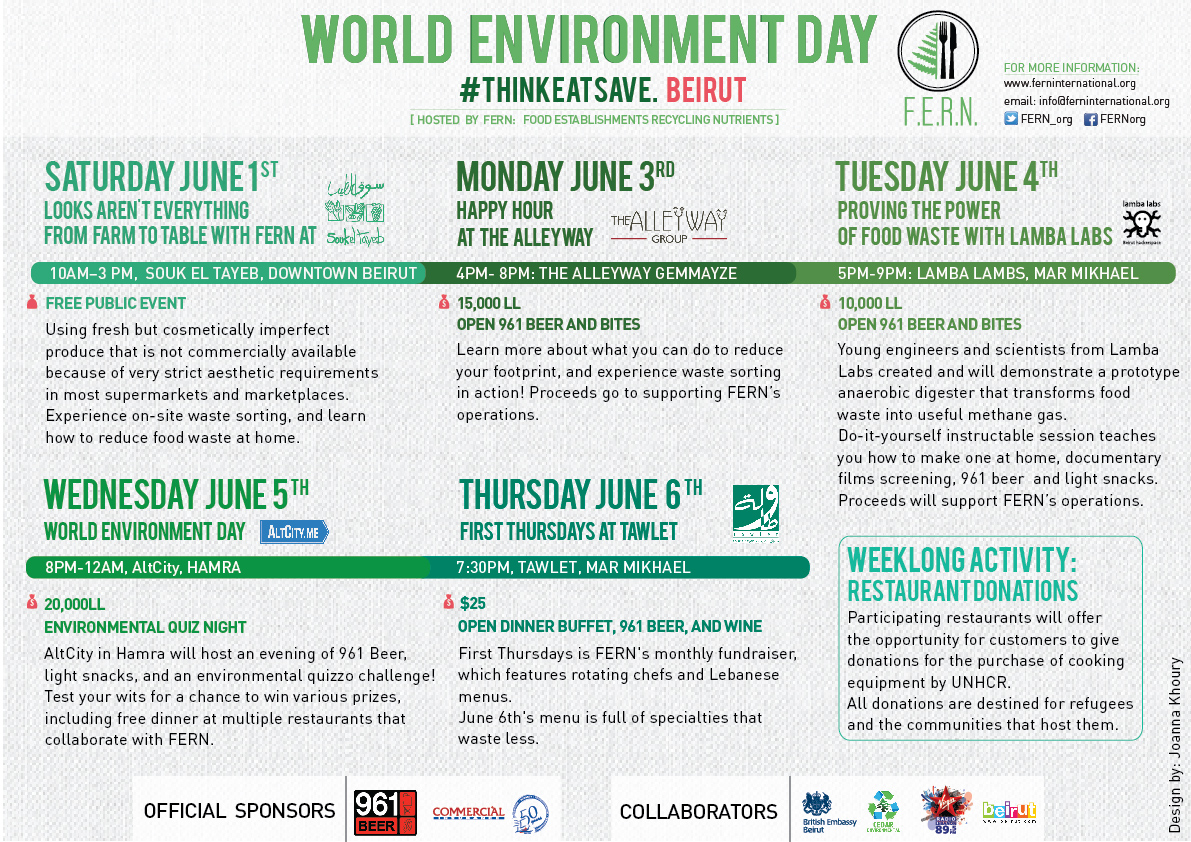
The kickoff, taking place on June 1st, is in collaboration with UN agencies (UNESCWA and UNHCR) and local organizations. The other events that follow throughout the week are strictly FERN & corresponding collaborators (as listed on the schedule below).  Anyway, the kickoff will be bright and early (9am) at Souk El Tayeb in the Downtown square parallel to the fancy shmancy my-wallet-hates-you Librairie Antoine. The theme for this year is “Think.Eat.Save”, revolving around food waste.

EVENTS: 

June 1
Looks Aren’t Everything: From Farm to Table with FERN at Souk el Tayeb
9 a.m. to 3 p.m.
With UNHCR, UNESCWA, the Lebanese Food Bank, Cedar Environmental, and other organizations What’s going to happen? Talks about food waste, methods to reduce food waste at home, insight into global food production.
BONUS: The inside scoop as to why average supermarkets seem to have perfect symmetrical I’m-not-real-but-you-can-touch-me food and how even food suffers from beauty discrimination. 

June 3
Happy Hour at The Alleyway
4 p.m. to 8 p.m.
Actually, 4 happy hours to help out the people of FERN. This is a fundraiser but also a chance to raise awareness about the problems faced when it comes to waste sorting, what FERN does to counteract them, and what small actions YOU could do to help out too. Besides learning something new and supporting a great initiative, it’s also an opportunity to mingle. Did I mention it’s $10 for OPEN 961 Beer?For those of you who frequent any of the establishments in The Alleyway or know of Ziad Kamel, I’m sure you’re aware that these people know how to throw a fun bash and are always looking for a way to improve the lives of the Lebanese.

June 4
Fundraiser at Lamba Labs, Mar Mikhael
7 p.m. to 11 p.m.
DIY food waste treatment ideas, easy peasy explanations on how to treat food waste, and a documentary screening – with snacks and beer, of course! Quite the deal for 10,000L.L. on a Tuesday night. Come on, you know you were just going to stay at home and watch Friends reruns anyway. Stretch your brain muscles and help society. And the Lamba Labs crew are the coolest geeks you’ll find.
 

“I like to think of Lamba Labs as a group of young, passionate, mad scientists. They’re artists, software developers, and engineers, and they like to use their imaginations and their tinkering skills to solve problems. As we speak, they’re building their very own anaerobic digester, meant to turn food waste into methane gas. When captured properly, methane gas can be used for cooking, heating, and electricity,” said Meredith Danberg-Ficarelli, co-founder of FERN. 

For those of you who don’t know how to get to Lamba Labs, let me explain because it’s sort of a doozy the first time around: Go down Mar Mikhael road, if driving away from Gemmayzeh Gouraud St., LL will be on your righthand side. It’s the pink building directly after 3anab restaurant next to BLC bank – you have to buzz on the intercom to get in. It’s the second floor labeled “Karaj Beirut.” 

June 5:
Environmental Quiz Night at AltCity, Hamra
7 p.m. to 11 p.m.
20,000L.L. for open 961 Beer and a competitive environment-friendly trivia night all at AltCity, Hamra. You’ll learn some stuff, you’ll lose some stuff, you’ll make some new friends – and it can all end in the alleyway over some drinks when you’re done. Or you can go home since you have work the next morning because you’re an adult or something. 

AltCity is on the main Hamra Street, just after the FransaBank. If you’ve gone past Kababji and Dunkin, you’ve gone too far. It’s on the second floor (floor M in the elevator) of the Montreal Building, which has a big colorful neon sign on it that says “Carre.” It’s the vintage shady looking building right before Kababji, on your left side if you’re going with the direction of traffic. There’s usually a “ZUMBA!” banner right outside the entrance. June 6

$25 for open dinner buffet, open 961 Beer, and open wine at Tawlet, Mar Mikhael
7 p.m. to 12 a.m.
This is FERN’s monthly fundraiser but RSVPs are required, because seating is limited. Reserve via email: info@ferninternational.org
Every month, there’s a different guest chef and a rotating menu. “Always Lebanese food, always homemade, and always delicious.” Well duh, it’s Lebanese – that would’ve said enough. The ingredients and structure of the menu were chosen with waste reduction in mind by this month’s guest chef: FERN’s co-founder and amateur culinary mastermind, Naji Boustany.


I have yet to go to Tawlet so I have no secret directions but, according to the website, it’s on the ground floor of the corner building facing the Spoiler Center in the dead-end street at the corner of Maher Flower shop. I have a crazy work schedule and I still think some of these events are convenient – and they’re in great locations. And it’s all about cherishing food. Who doesn’t love an excuse to do that? Do you really need more convincing?
 

Save this image on your phone and you’ll have all the info you need:WED2013 Schedule (infographic)

I don’t know why WordPress is playing font-hopscotch, I apologize.

Cheers to Social Responsibility


IMG_3269

According to an excerpt in Levitt & Dubner’s “SuperFreakonomics”*, drunk-walking is more dangerous than drunk-driving when considered on a per-mile basis. In fact, a drunk walker is 8x more likely to get killed. The only plus side to this odd factoid is that the drunk walker usually only inflicts harm on his/herself but not the same can be said about drunk drivers.

Drunk-driving is a huge social issue and public transportation is an infrastructural necessity especially in a country the size of Lebanon. Implementing other means of transportation that do not rely on your own motor skills (your’s and your vehicle’s) being at 100% efficiency, could contribute to decreasing the number of accidents and deaths due to driving under the influence.

Various international campaigns launched by alcoholic beverage companies are pushing for more responsible after-party choices when it comes to transporting your drunk-self home. Most of the agencies behind these campaigns use the idea of a trade-in option in order to get drinkers to opt for a safer ride through public transportation.

For example, during Rio de Janeiro’s Carnival, Antarctica, a Brazilian beer company, had its customers pay their metro fare using empty beer cans. “The Beer Turnstile” used the simple trade of a can for a ride: the can was scanned at the turnstile and the drinker could go home for free. The initiative led to a 43% drop in caught drunk drivers. Another beer company, Stiegl from Austria, replaced its product labels with tickets to use on the Salzburg public transportation system. Yes, these are huge PR stunts and get the brands, and their respective ad agencies, the coveted “socially responsible” stamp; however, a good deed is a good deed. Many lives were probably saved thanks to ideas like these.

Although Kunhadi’s drunk-driving TVC/Billboard campaigns are very powerful with their use of imagery and devastating story lines, the tone is on the heavy and somber side. Their Taxi Nights, parties that provide taxi rides home for all attendees, are great steps in the right direction that actually make a change on the ground where the real danger is. And let’s not forget the Ashekman graffiti piece that was commissioned early last month. It must be said though that Kunhadi is a non-profit organization that fights for road safety. They are not a brand so their approach differs than that of a beer company or any consumer good.

The Nissan “Suggest an Arrest” stunt in Uruguay Street addressed the problem by allowing friends to volunteer a drunk friend for a sobriety test. If they failed, they were driven home in a new Nissan. The activation, which took place during the month of March, was a nice try but they pushed their product to an unsusceptible customer, a drunk driver. Even if their heart was in the right place, the focus was more on the car and the PR attention rather than the desire to spread a message or change behavior.

Perhaps the government or private investors can help get public transportation implemented in a country, or at least a city, that is in desperate need of traffic relief, reduced carbon emissions, and a safer more economically feasible way of getting around. Perhaps more laws can be enforced when it comes to road violations, reckless driving, and distribution of DUIs & license confiscation. Perhaps, the most likely and doable “perhaps” given the ever-present cloud of doom over our Lebanon, more brands can jump on the fight-drunk-driving bandwagon provided that what they’re doing is relevant to their product and overall campaign idea. It doesn’t really matter if, deep down, they’re doing it to look good or to have the general public opinion shift to “bravo, bifakro bi ghayron”** – if it makes sense and causes more drinkers to be responsible, it’s a win-win.

*I definitely recommend this book and it’s prequel “Freakonomics” if you like reading books that make you think that all things are conspiracies and WTF MIND BLOWN.

**Arabic for “they think of others”

Taking a Stroll in Ashrafieh


DSC_0747

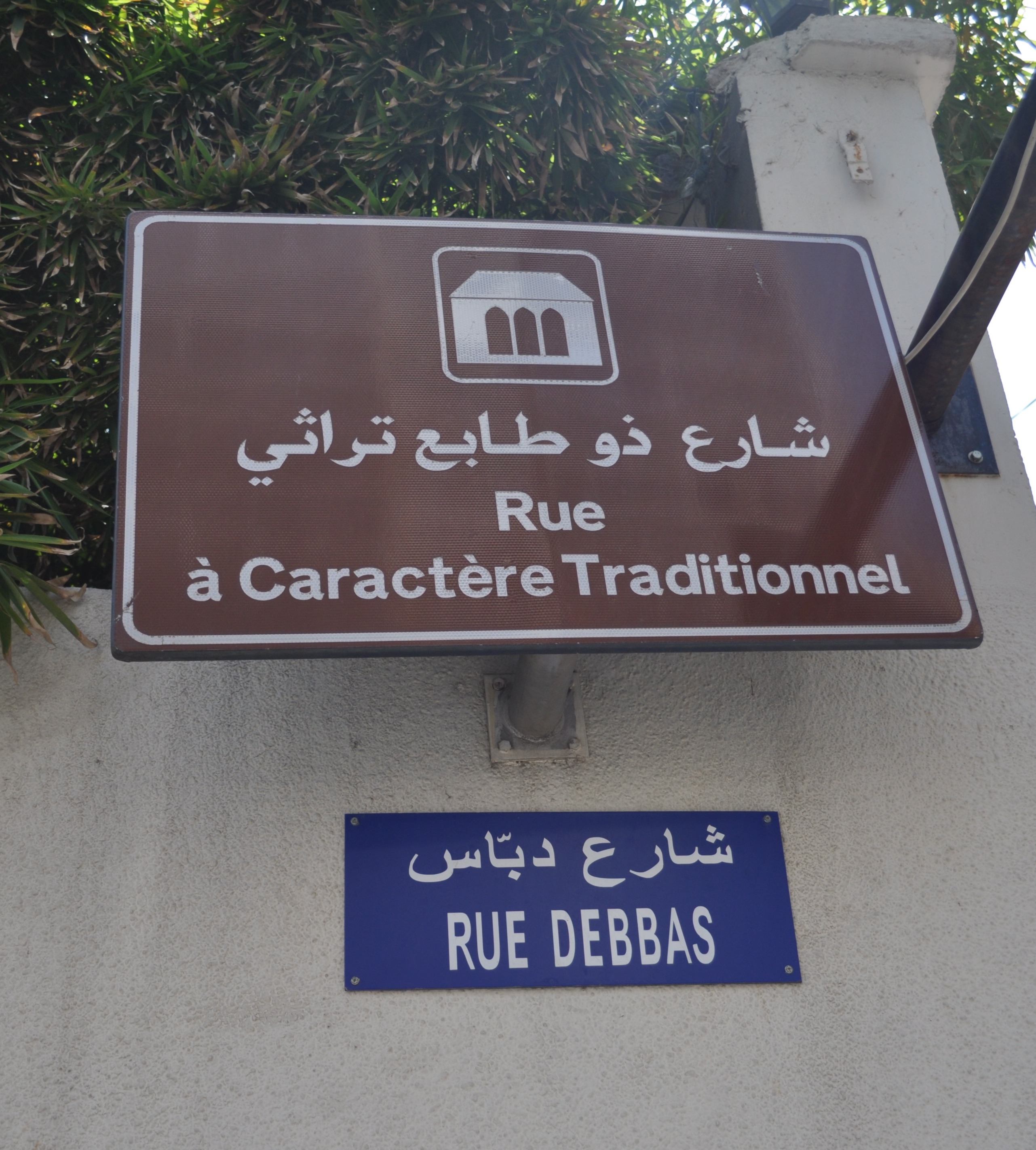
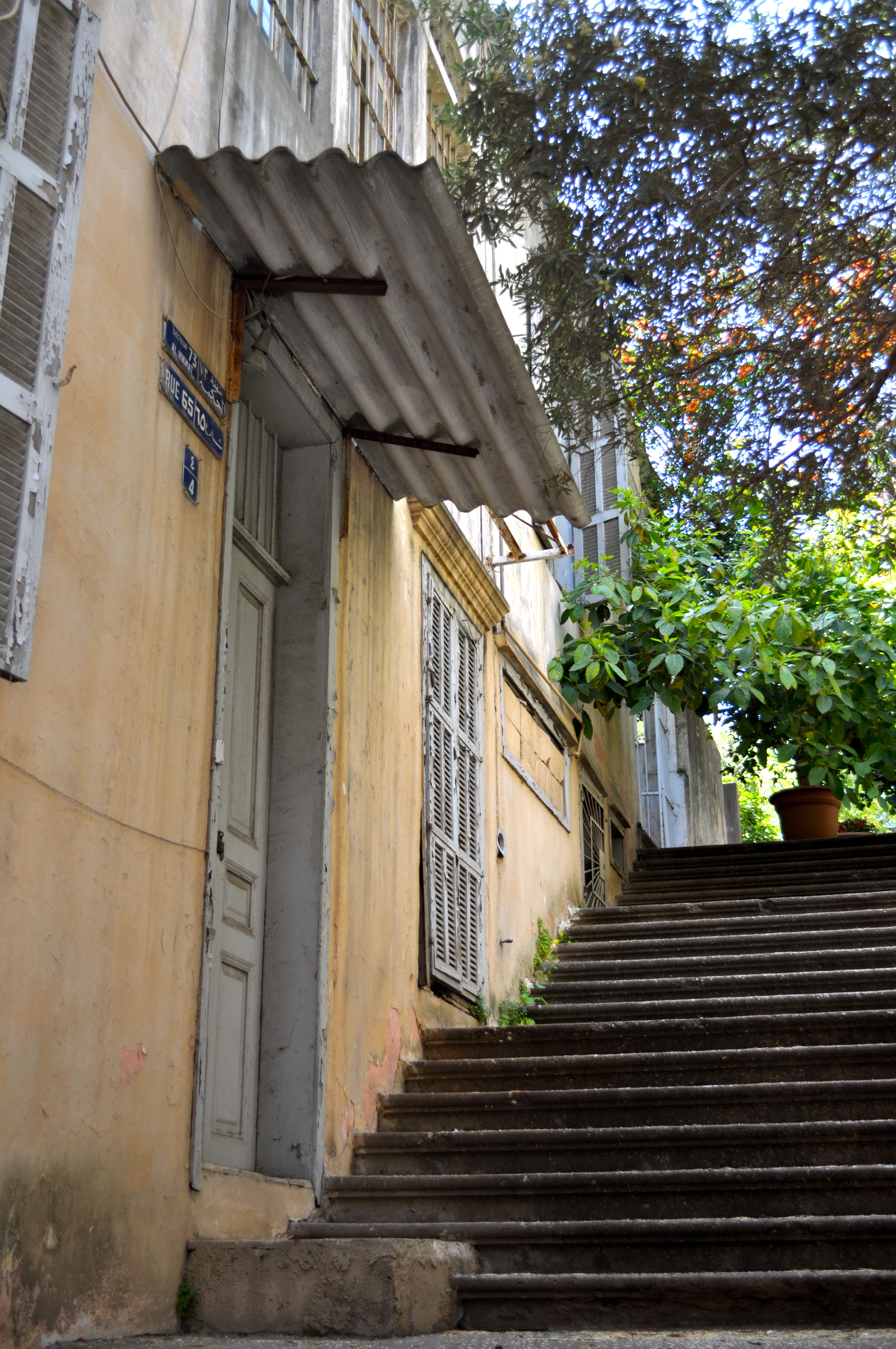
 Every once in a while, while wandering around Beirut, you will find one of these signs. It refers to architectural style that has been on the verge of extinction in our dear city thanks to various development projects and so-called urban planning. This street is Rue Debbas in Ashrafieh, home to the Cypriote Embassy and other little quaint residences.

DSC_0765

DSC_0752

And then there’s all the other little pieces of Ashrafieh, not just on Rue Debbas, that you never really notice unless you take the time to look around:

IMG_7135

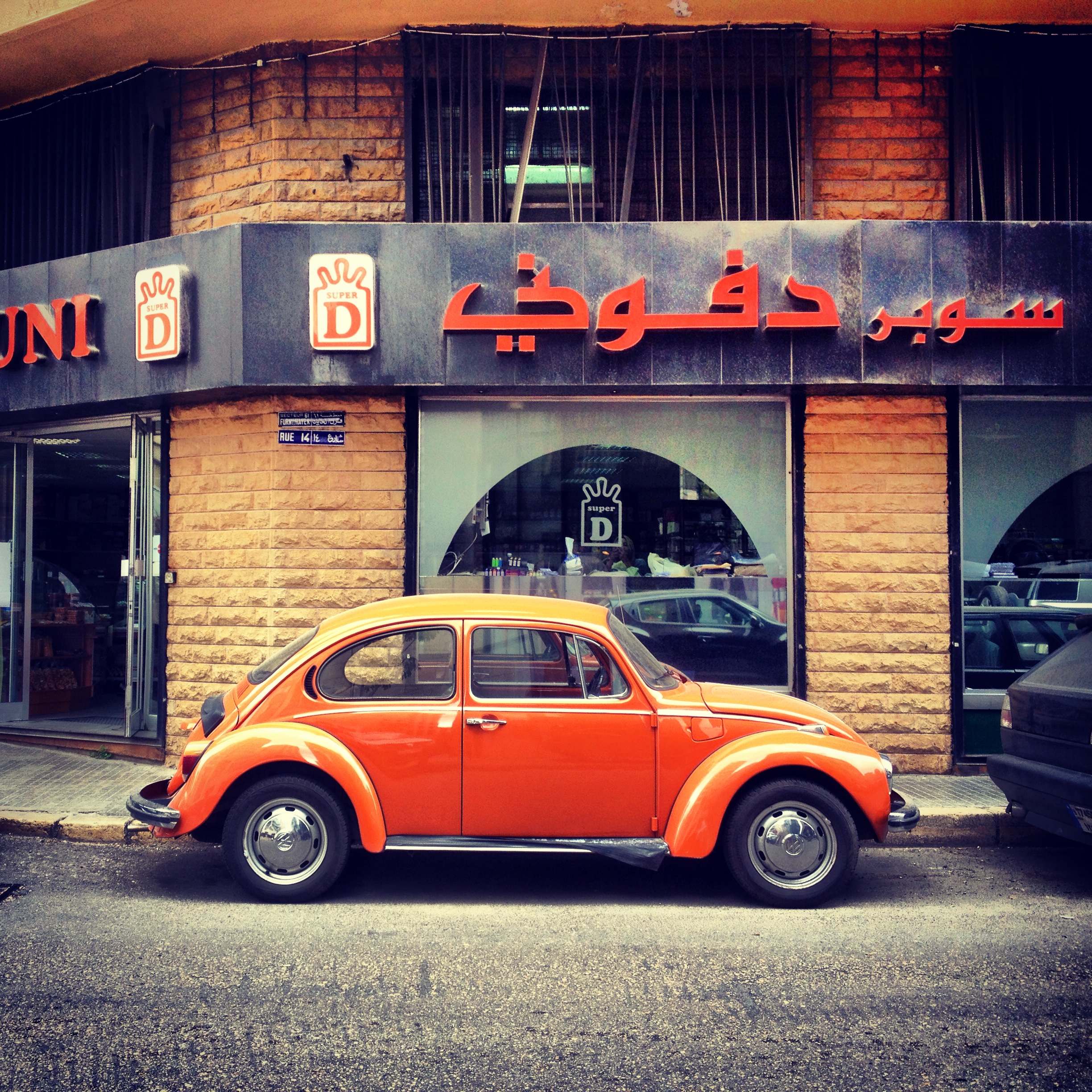
Dfouni Supermarket – best homemade chips & breadsticks (very fattening snacks)

IMG_7221

IMG_7424

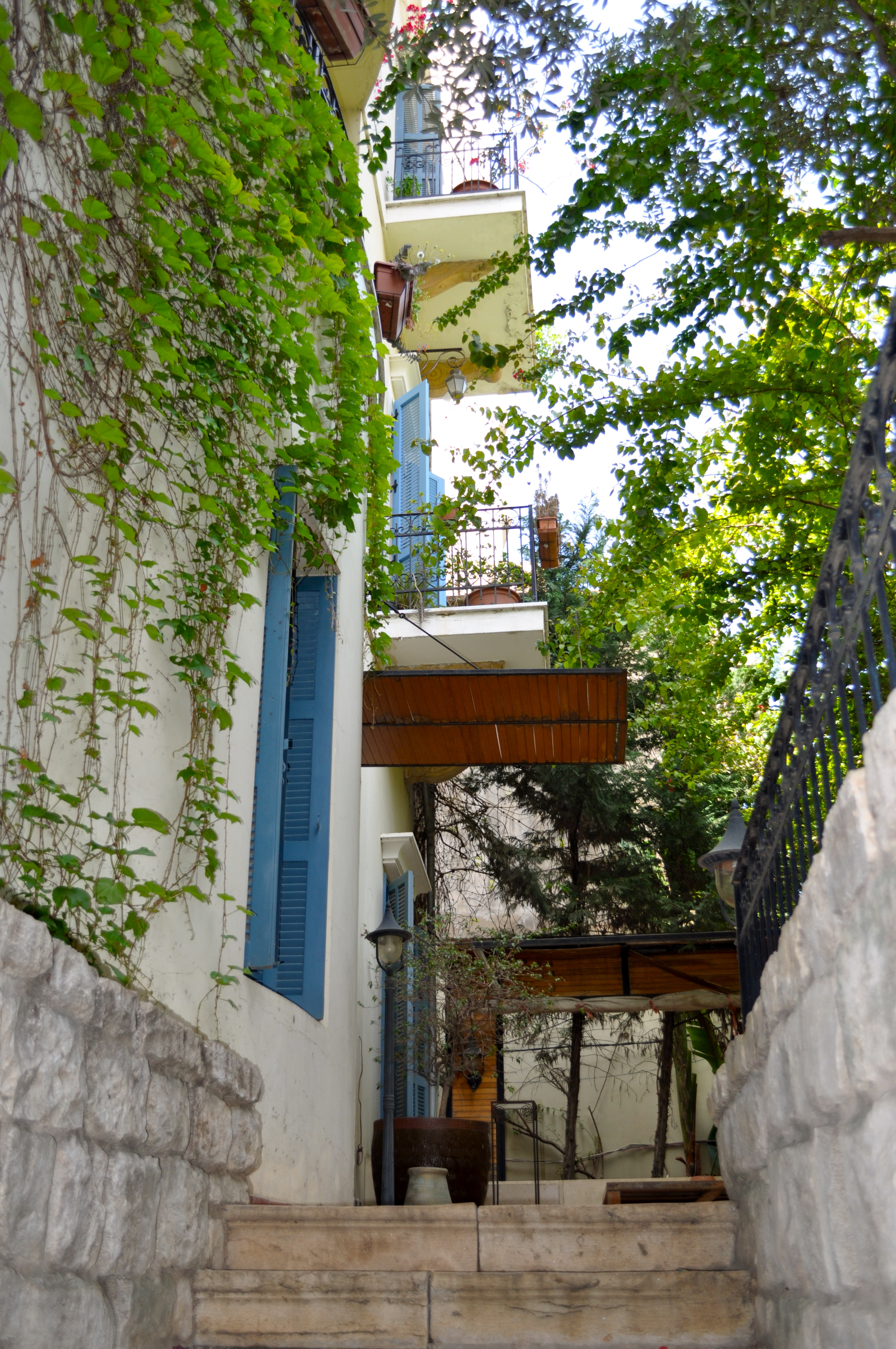
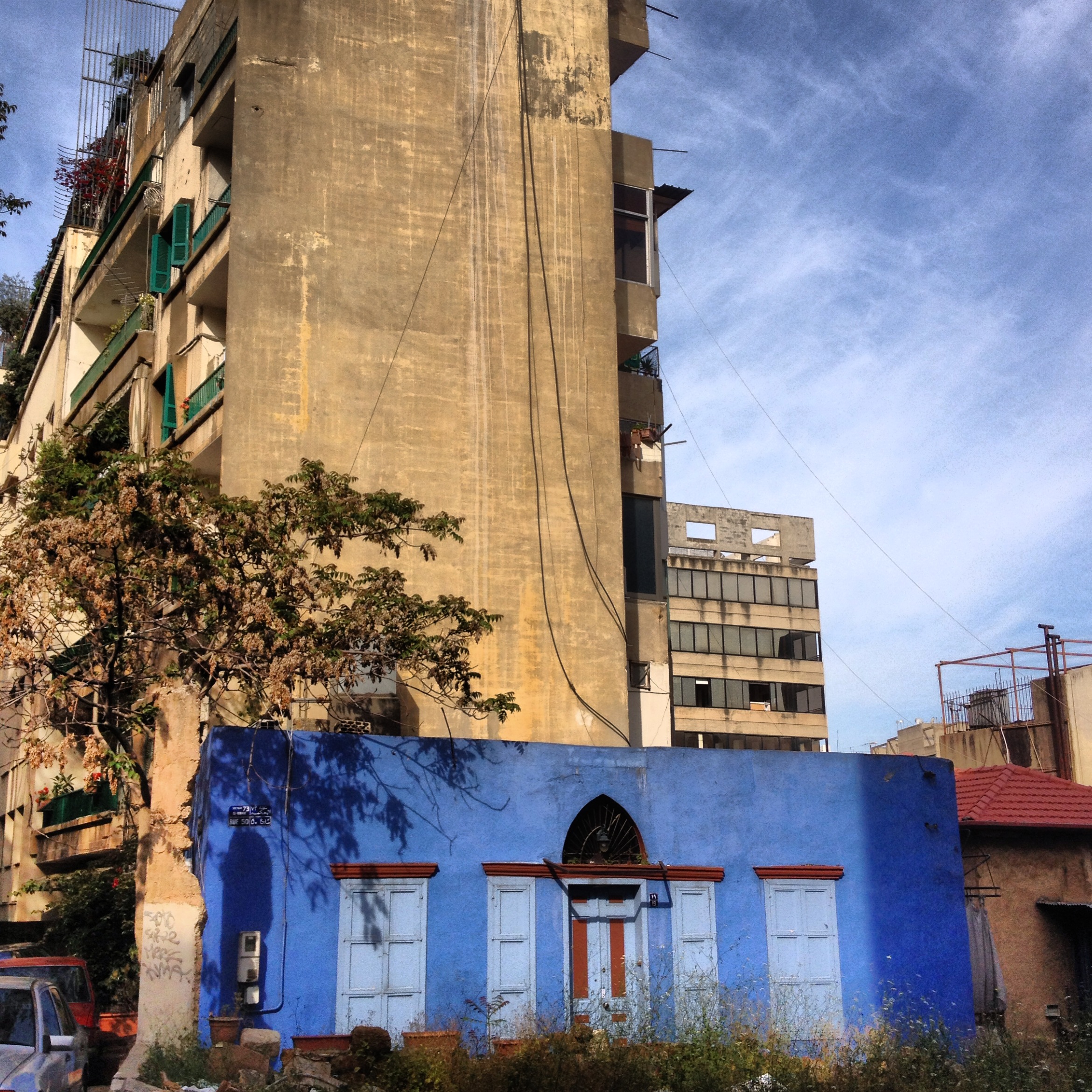
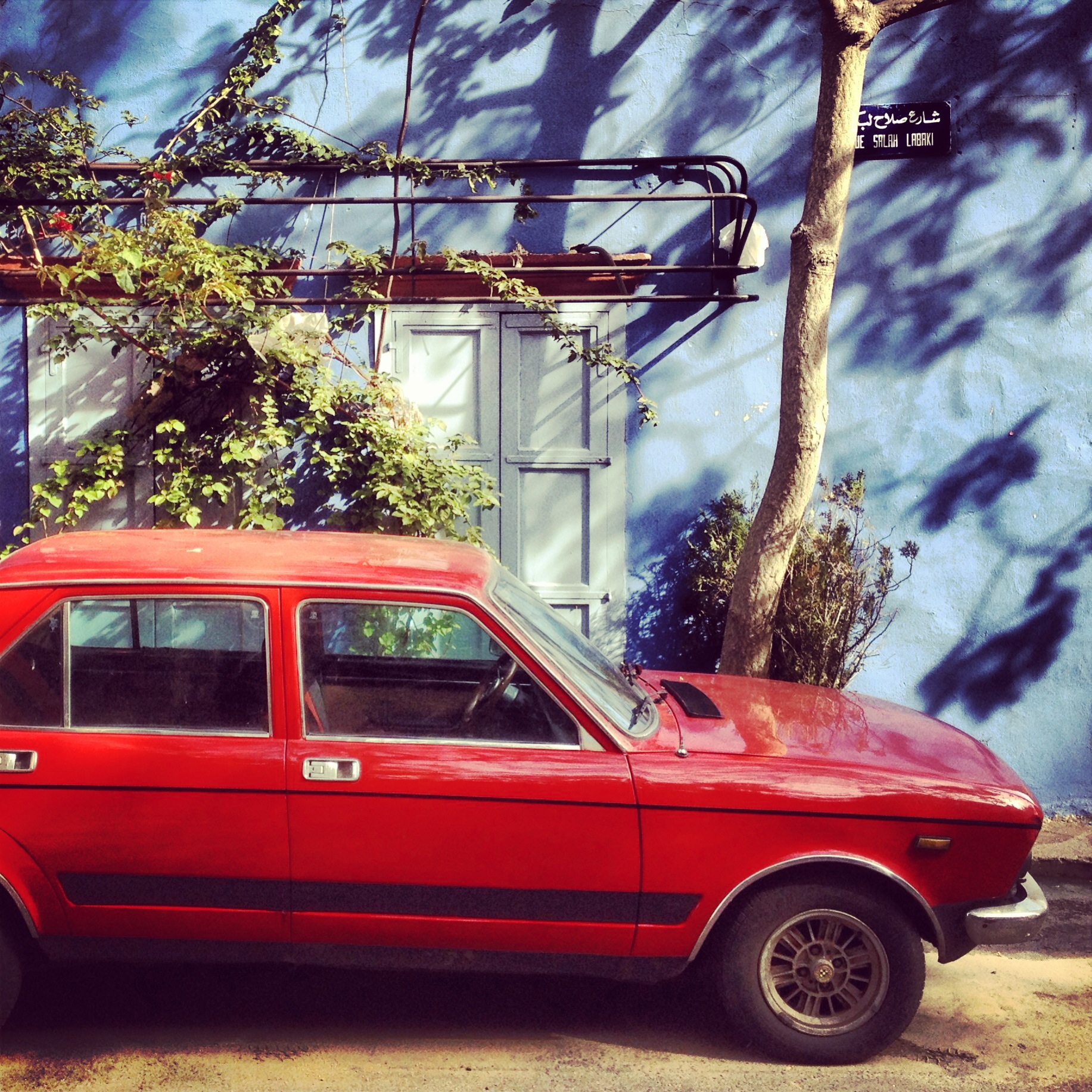
Little blue house on Rue Salah Labaki

IMG_7426

IMG_7451

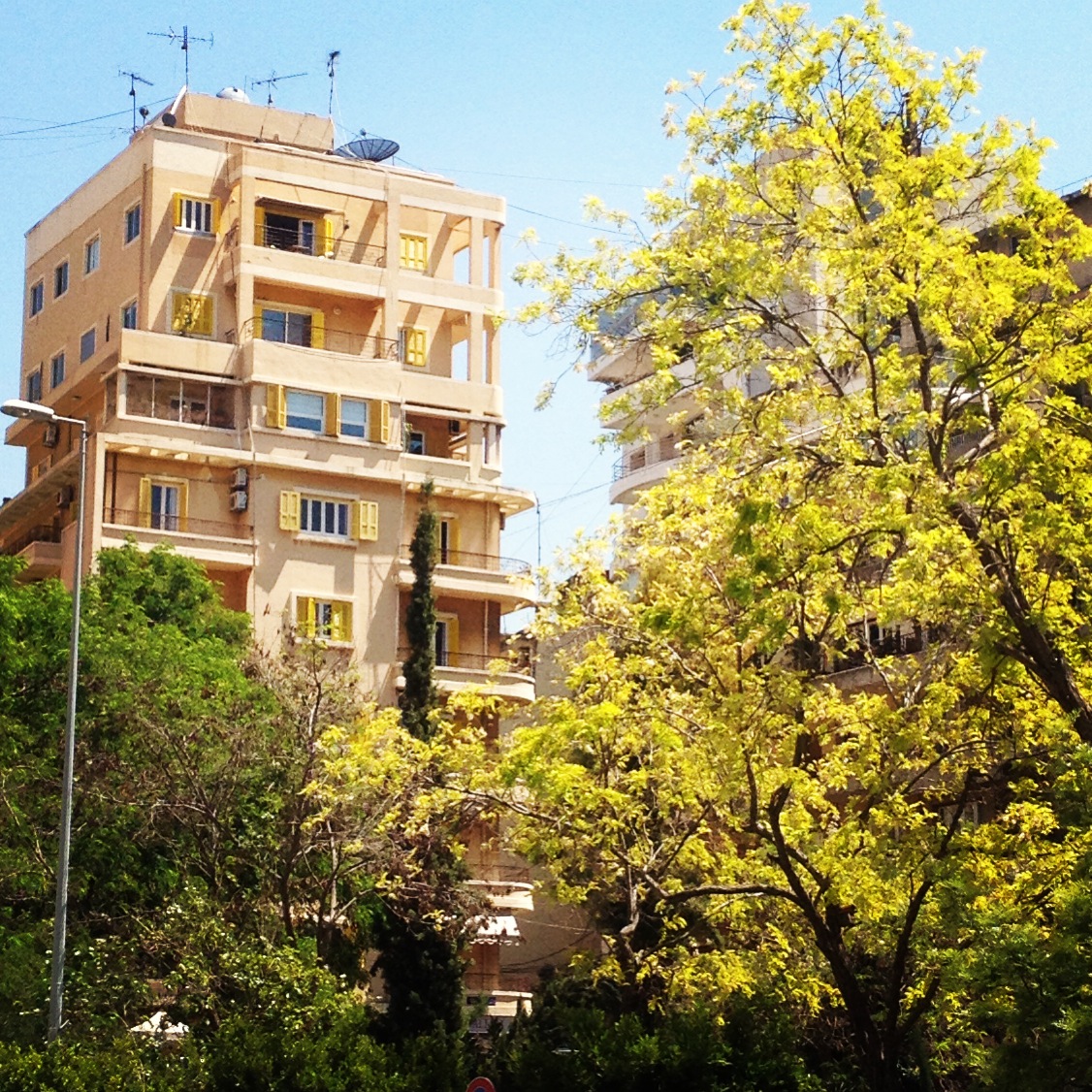
Yellow shutters overlooking Rene Mouawad Garden

IMG_7646

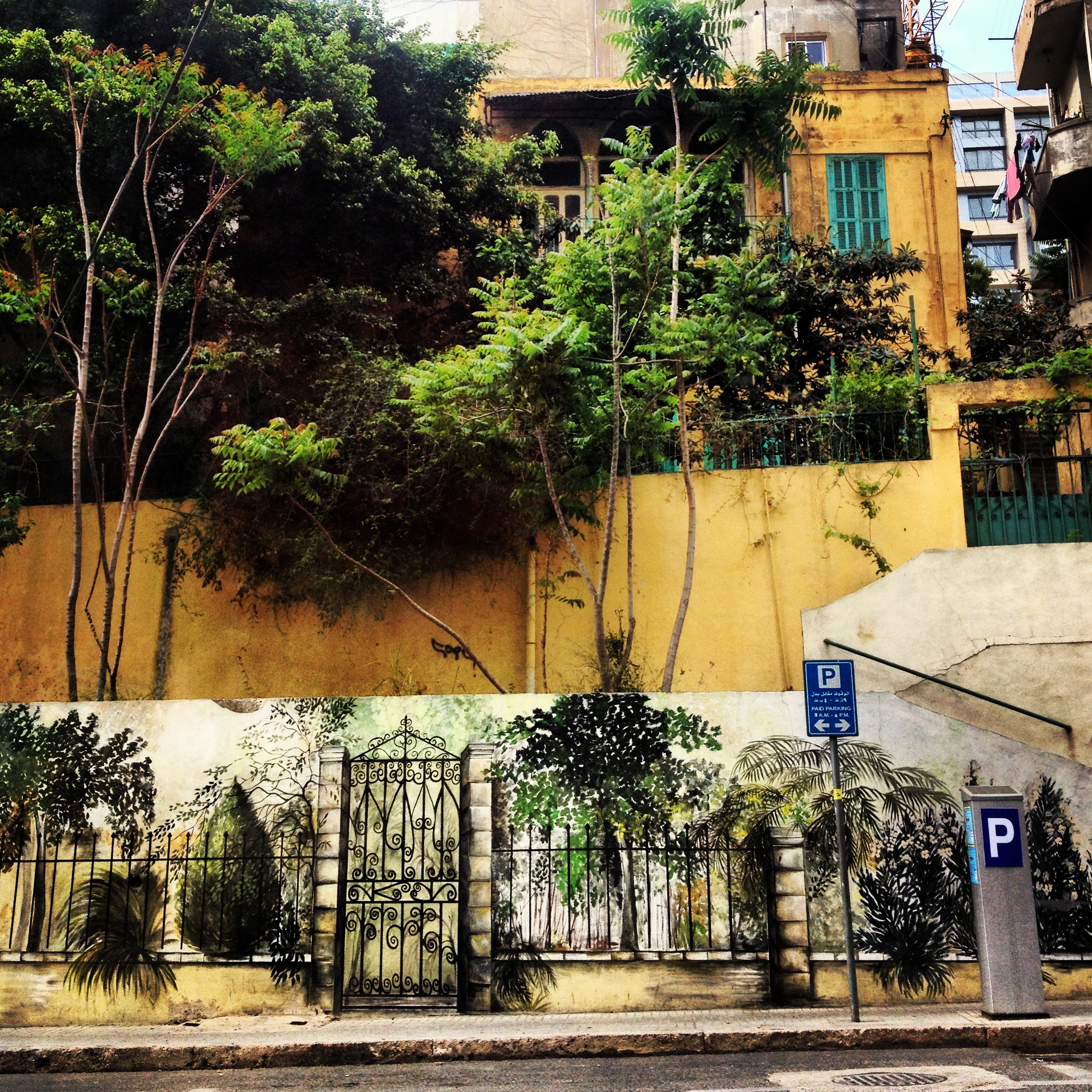
Painted Greenery on Charles Malik Avenue (Sponsored by Bank Med & Chateau Ksara)

IMG_7698

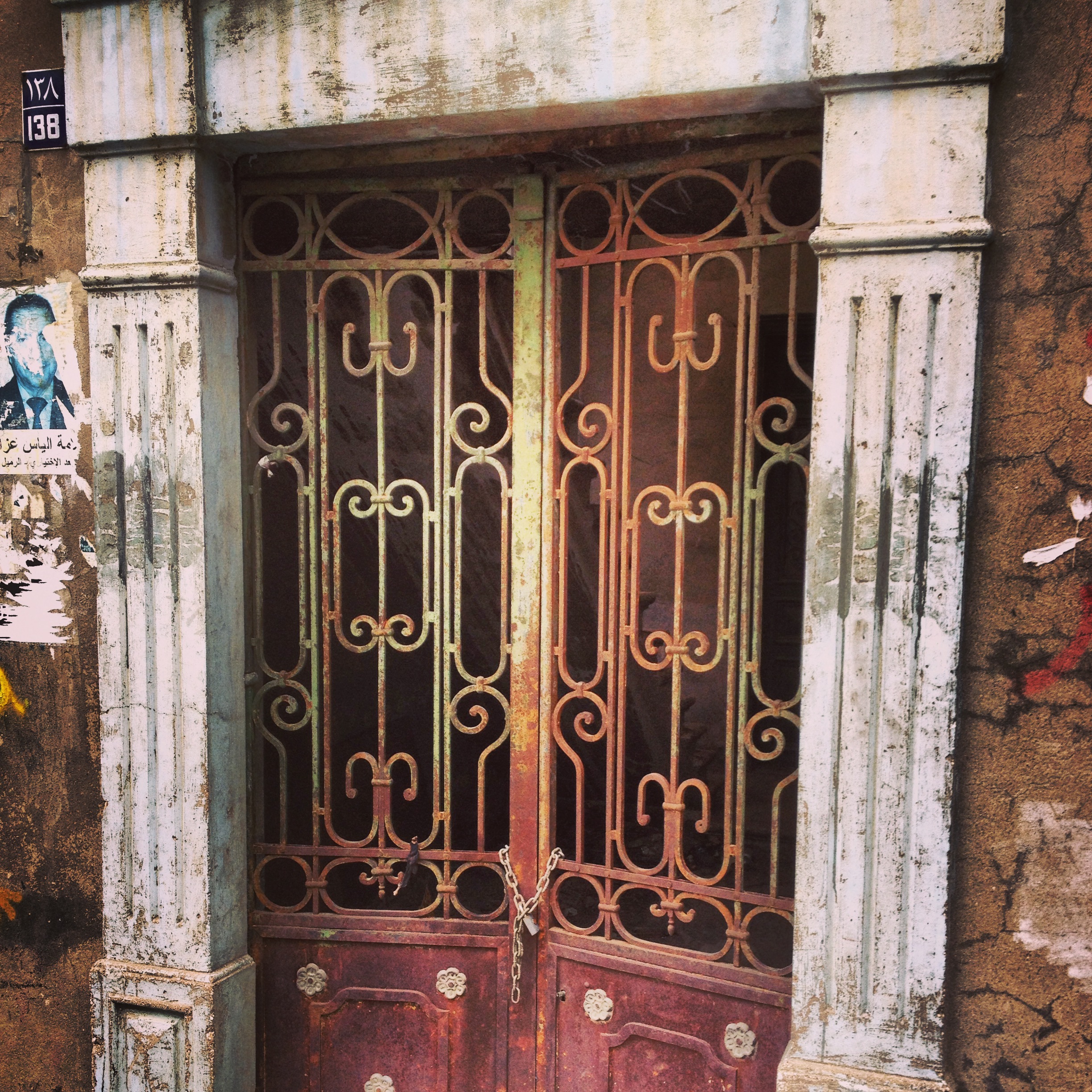
Old iron gates

IMG_2711

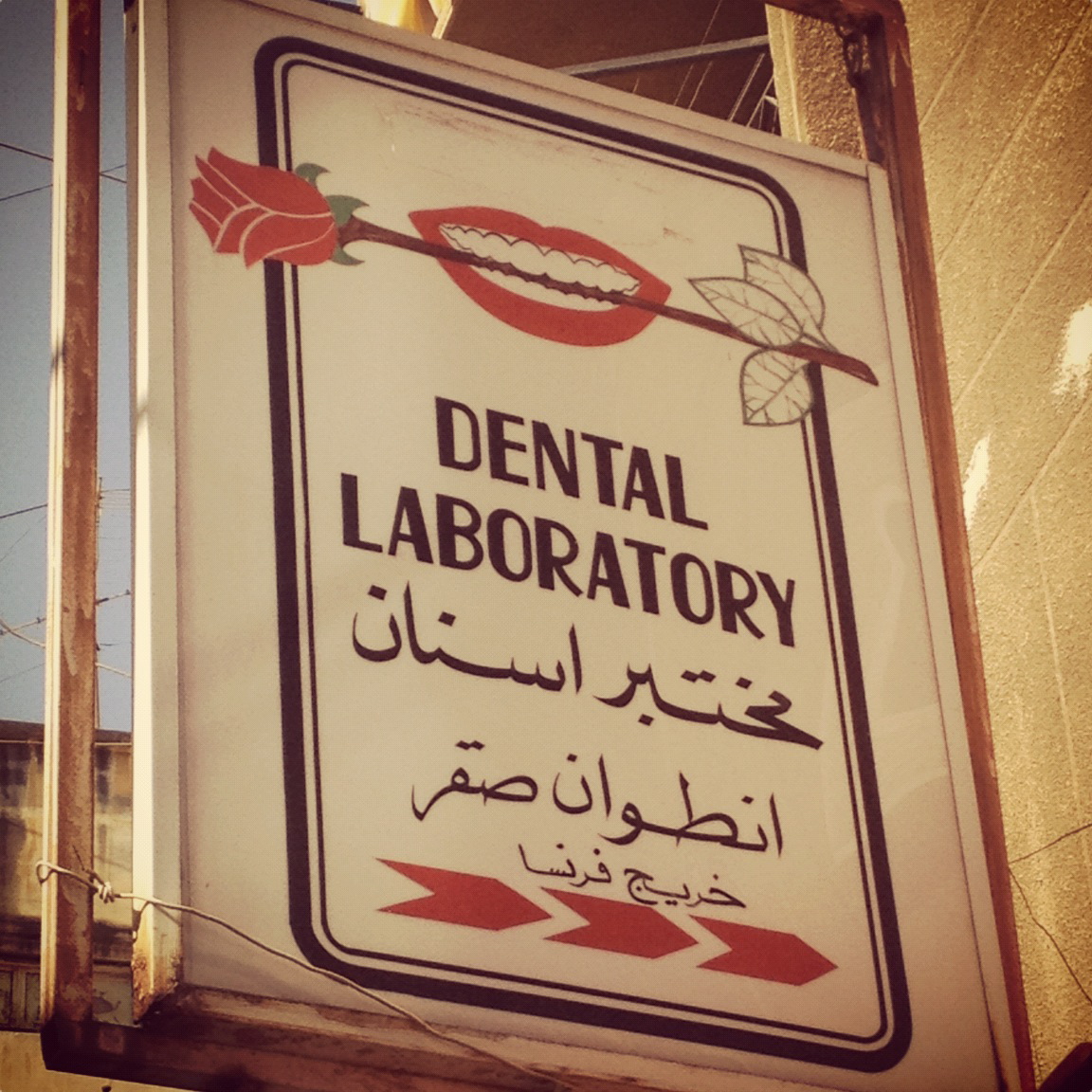
Vintage signs still going strong

IMG_2812

Geitawi houses

IMG_2885

Geitawi houses

IMG_2906

Ministry of Foreign Affairs

IMG_3086

IMG_3107

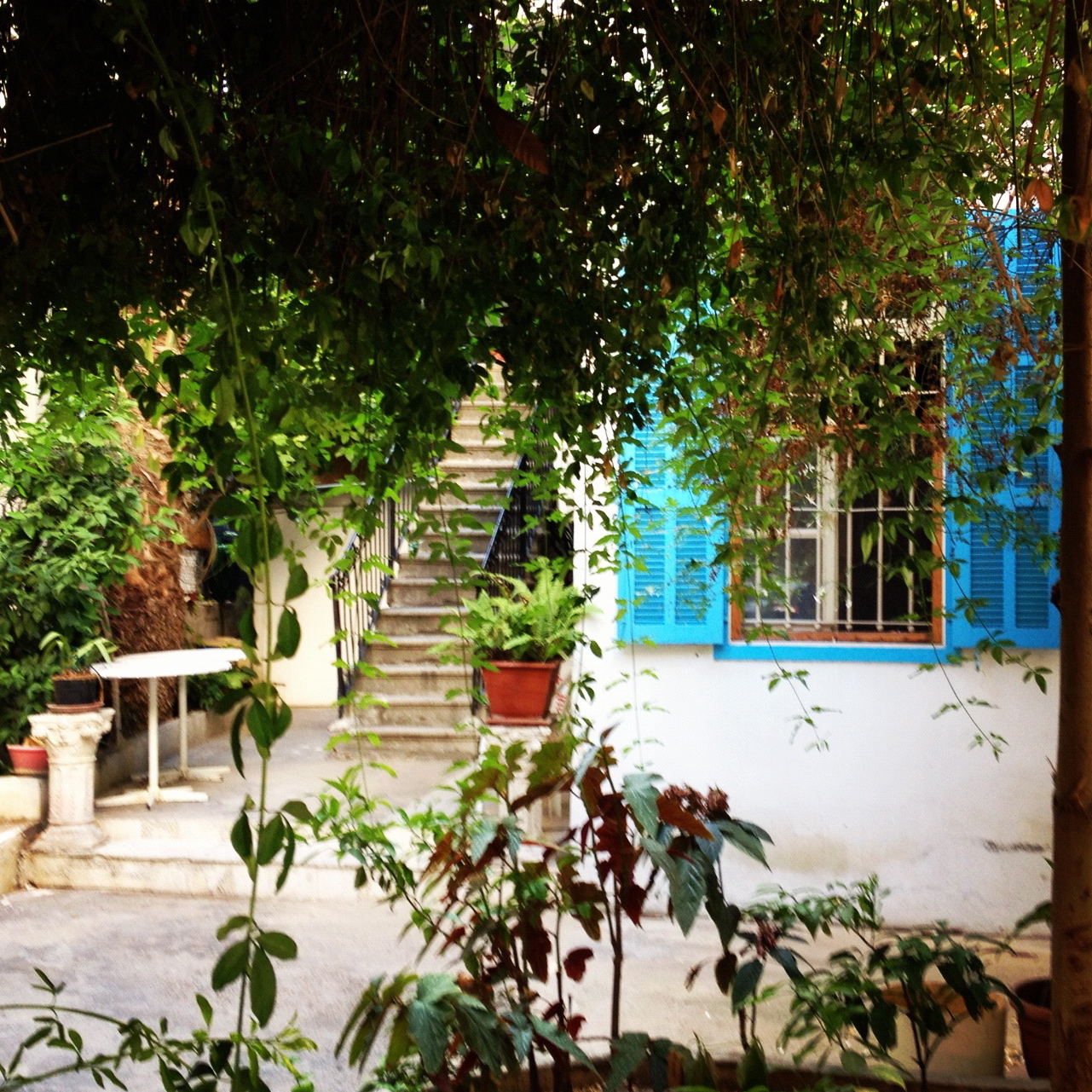
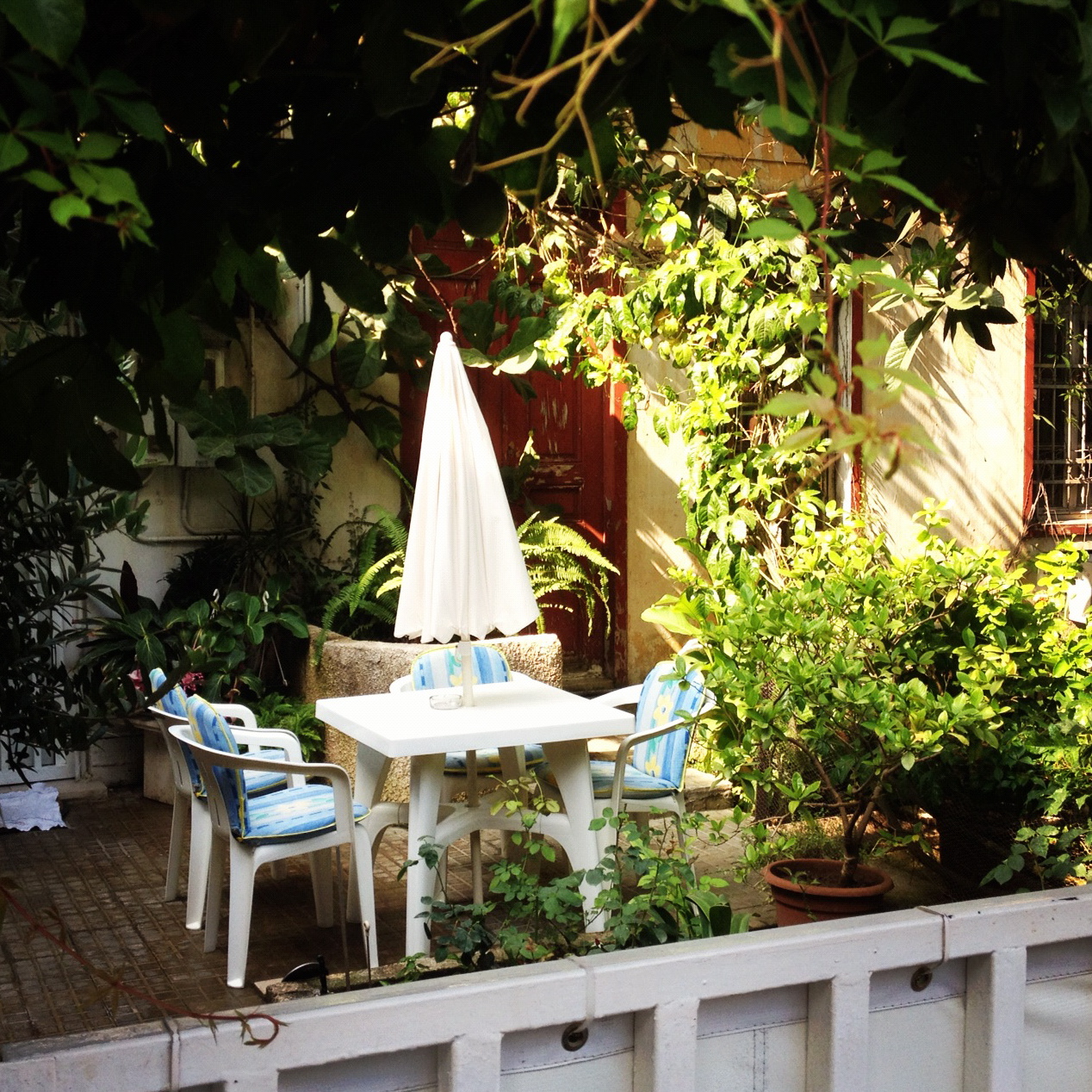
Courtyards

IMG_3108

Windows!

IMG_3128

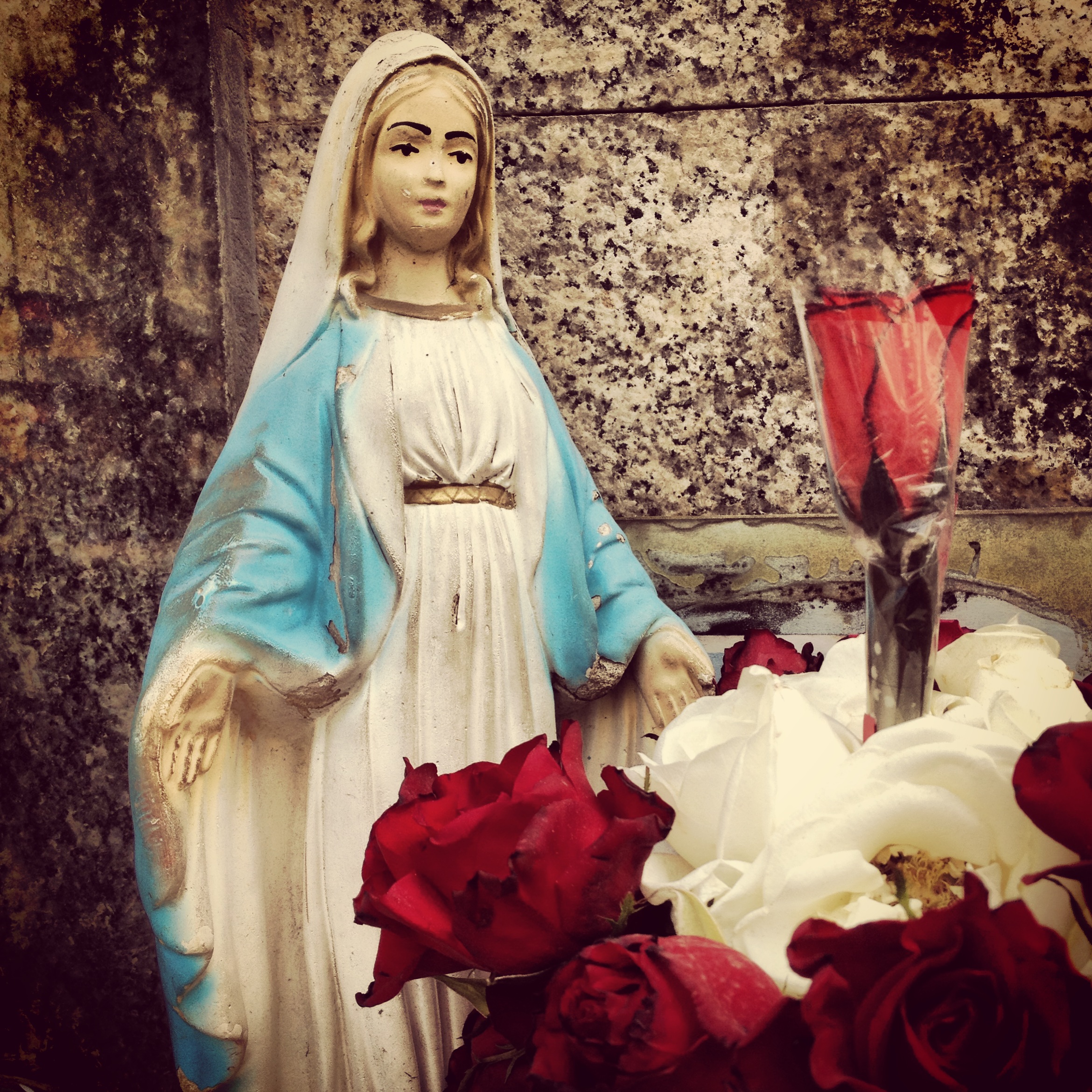
Sacred graffiti

IMG_3170

Colorful graffiti

IMG_3239

Layers of windows

 Stay tuned for more and/or tag along with me in Ashrafieh.

BeBeirut: A Talk with Ronnie

IMG_7580

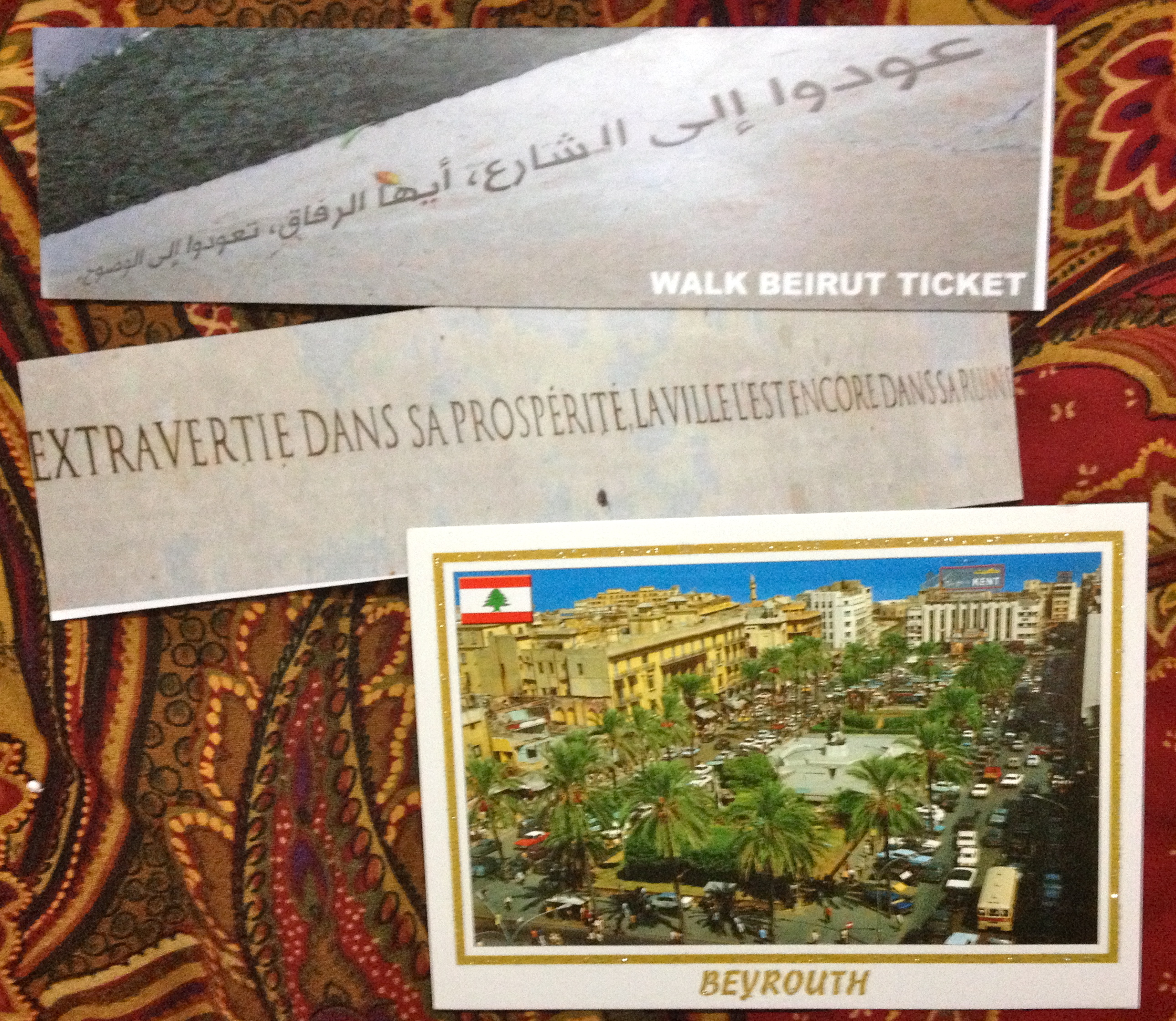
As promised last week, here is the mini interview with Ronnie Chatah of Walk Beirut:

1- How did WalkBeirut get started and what inspires you to keep it going?

RC: Several Lebanese historians (Samir Kassir and Kamal Salibi in particular) inspired me to try and bring the city’s past to life. While alive, they challenged Lebanese to appreciate their city’s history, too often neglected. I thought a story-based narrative of Beirut’s history would be an engaging way to carry on their passion for history.

2- Where’s your favorite spot in Beirut? Favorite stop on the tour?

RC: I personally enjoy telling the story of Wadi Abu Jmeel and Beirut’s Jewish community. It’s a neighborhood that goes unnoticed to foreigners and Lebanese alike. In many ways, it’s an important segment of Beirut’s mixed past – and a centrally located neighborhood – yet it’s a largely forgotten chapter of the city’s history. All that stands today as a symbol of that community is the Maged David Avraham synagogue, set to reopen this summer. And to stand in front of it and bring it to life is quite a thrill.

3- What’s your favorite memory from the many walks you’ve guided in the past 5 years?

RC: One of my favorite memories was an older Lebanese expat showing the group several photos of himself and his wife (who had passed away several months earlier) on a date at the St. Charles Cinema below the former Holiday Inn Hotel. He hadn’t returned to Beirut after 35 years, and his personal story touched the group, myself included.

4- What’s the best part about working as a walking tour guide of Beirut?

RC: Being told over and over by Lebanese and foreigners that prior to the tour, they had little appreciation for Beirut’s history, and were largely unable to access the city’s past simply by walking on their own. And that following the tour, they genuinely fall in love with the city’s story. I suppose the tour serves a valuable purpose – bringing otherwise neglected neighborhoods, buildings, sites etc. to life. I’ve done my best to keep it a fun, pedestrian-friendly experience. I believe I’ll keep offering the tour so long as Beirut is safe enough, and interest remains.

5- What do you wish for the youth of Beirut & Lebanon as a whole?

RC: To break the cycle between wealth and decay, that too often pushes Lebanese to neglect their history. I take a lot from Samir Kassir’s writings, and the quote in French I include at the end of the tour, “Beyrouth, extravertie dans sa prosperite, la ville l’est encore dans sa ruine,”* is something we can all learn from.

*Beirut, extroverted in its prosperity, the city is still in ruins

You can find Walk Beirut online here and check out their Facebook group here.

Going Off-track: Rayak Train Station

IMG_7360

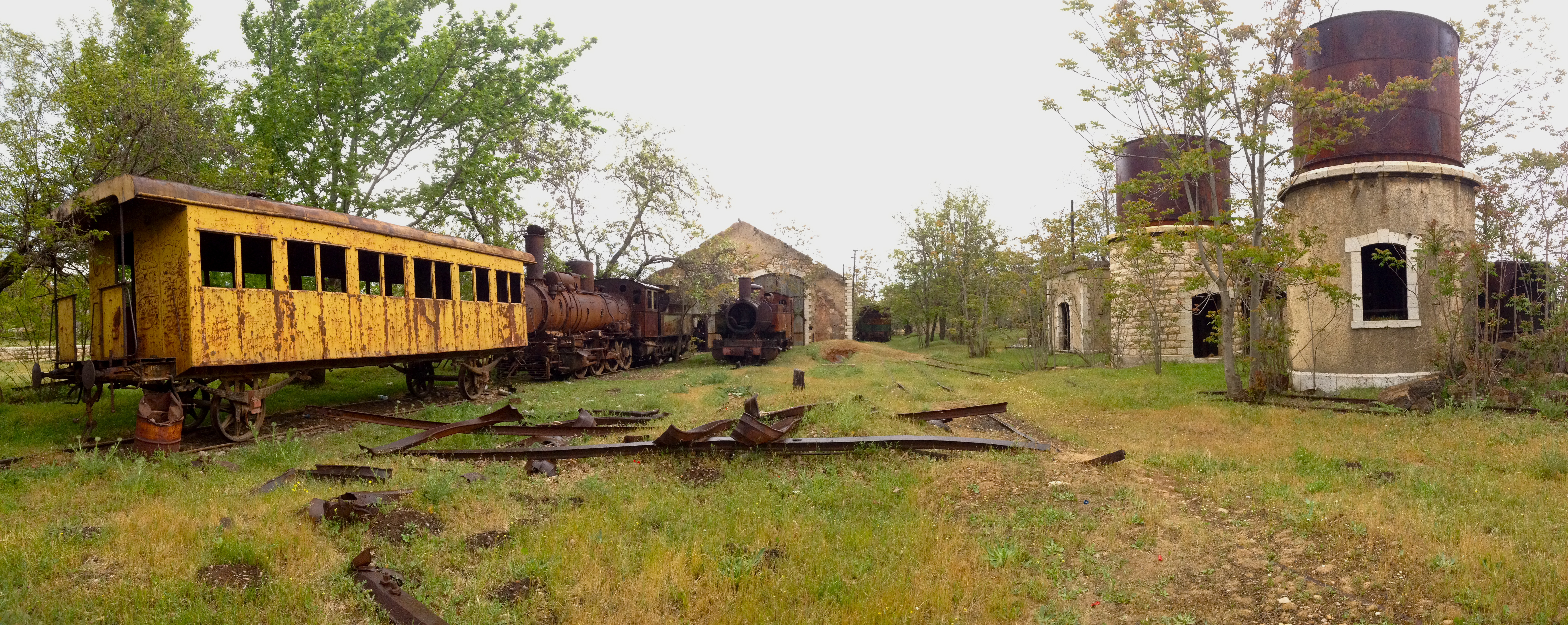
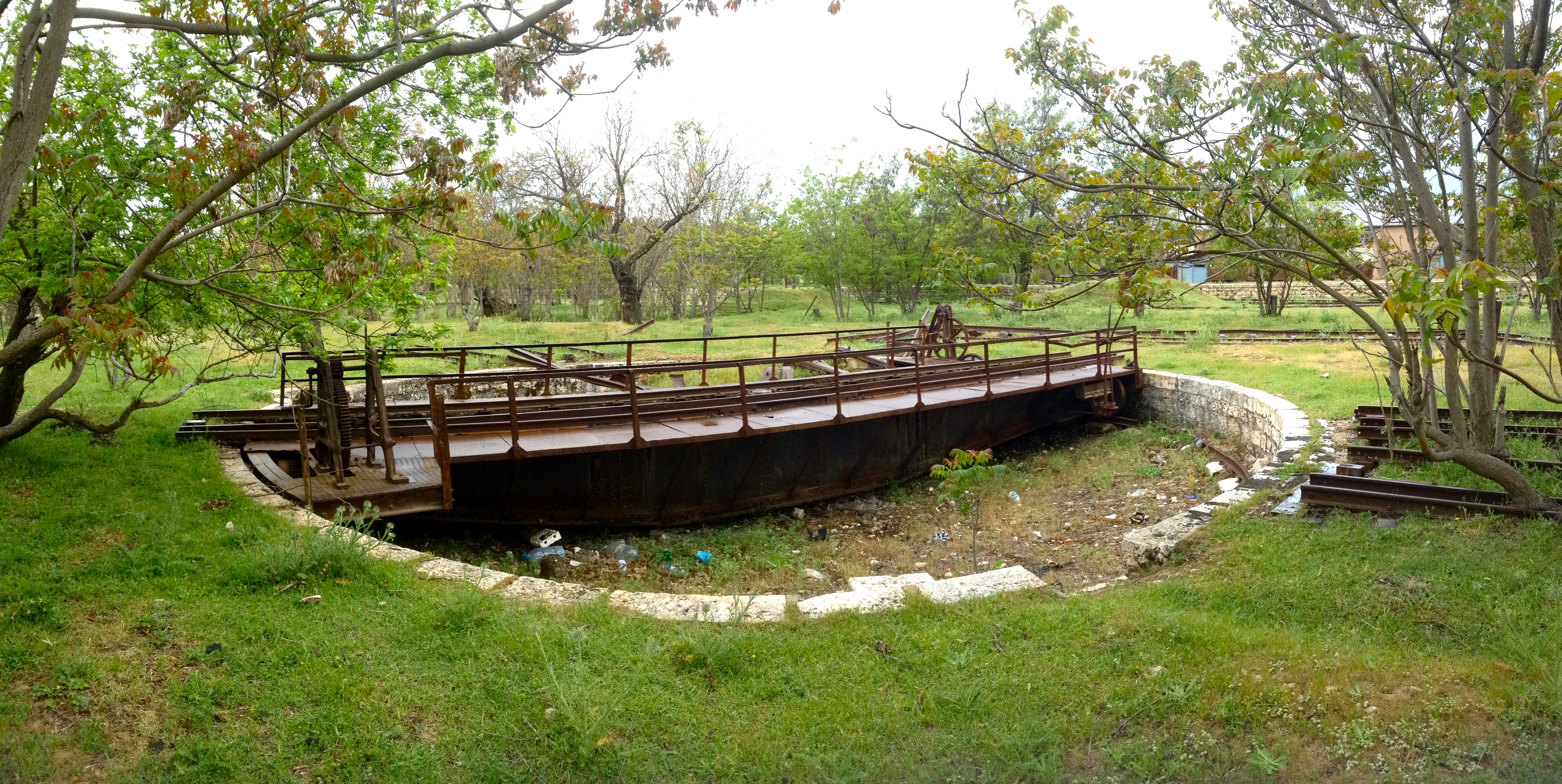
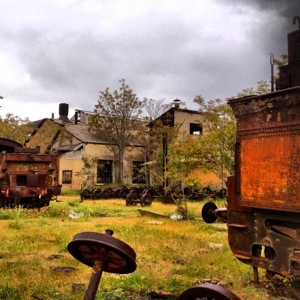
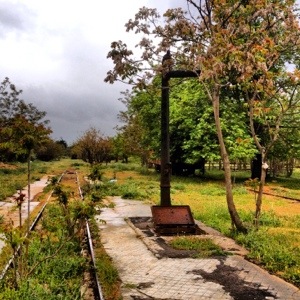
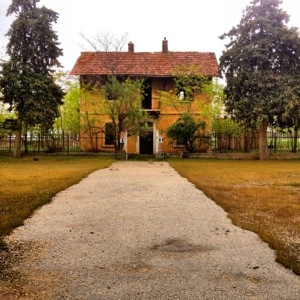
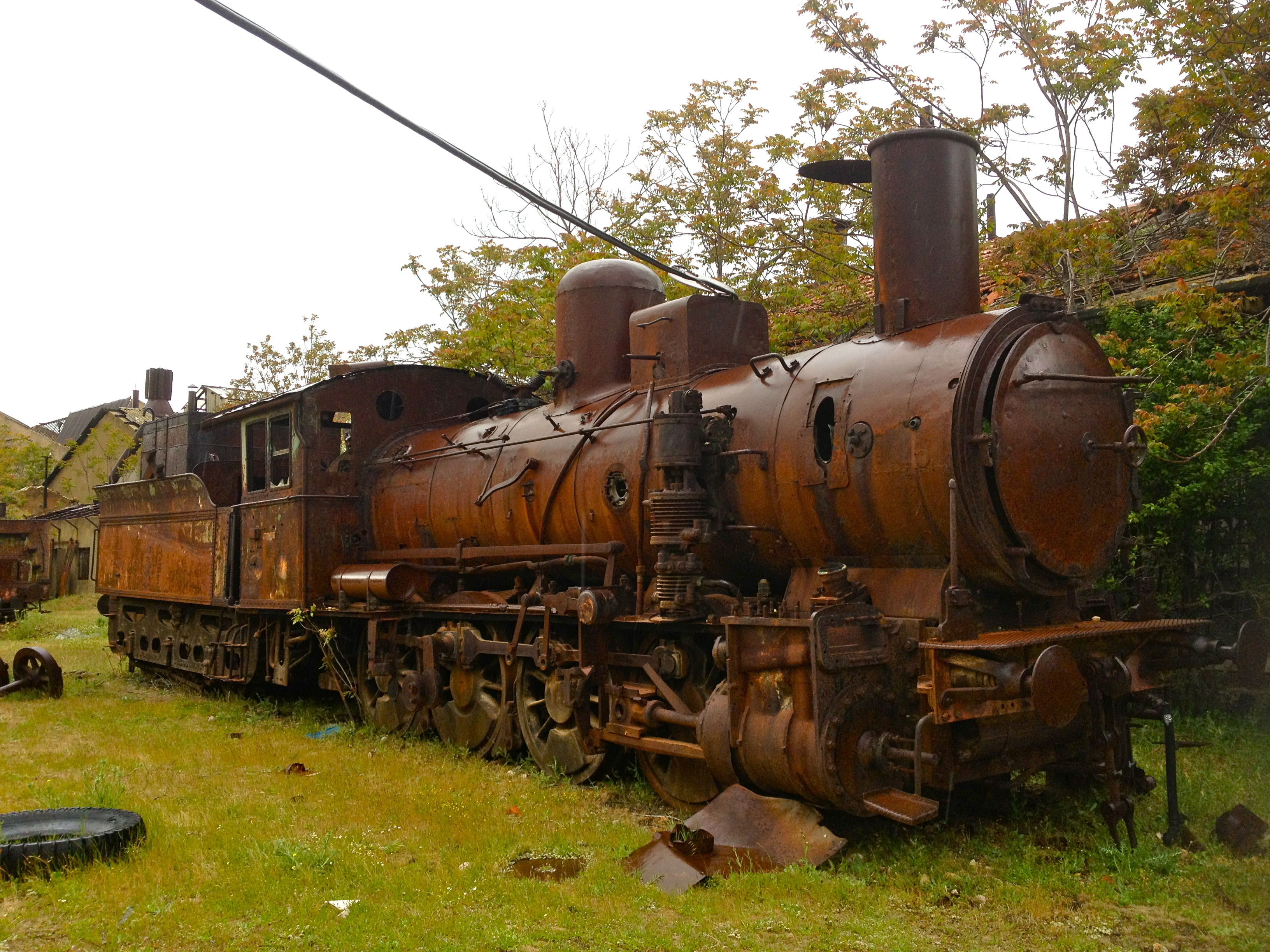
After a day at the AUB farm (AREC DAY), a few friends and I took a detour to the Rayak Train Station, located in the Bekaa Valley past the Rayak Air Base. Rayak (pronounced Riya’) is home to one of the many abandoned train stations (and a factory) of Lebanon. The line, that used to run from Beirut to Damascus, was the 1st railway built in Lebanon back in 1891. This was before the country was “independent” and was still under Ottoman rule. The dilapidated remains of the station are frozen in time. It’s a lot like how you would imagine a war zone after a ceasefire; everything is where it was before the war, only it’s aged, rusted, and beautifully decayed.

The caretaker on site there told us that a permission slip from Mar Mikhael in Beirut was needed to access the grounds but we pleaded and he allowed us to roam around a bit while advising us not to enter any of the buildings because it was dangerous due to the rain. When we asked him why the supposed project for a Rayak Train Station Museum seemed to be put on hold, he seemed quite discouraged. The way he put it was, the project, though ambitious and worthy, needs financing and the people in charge of our country aren’t willing to fork it over for something that isn’t seen as a priority. It seems that if this project were to ever see the light of day, it would need some wealthy private investors. It is sad that our country does not seem concerned with the preservation of such sites – remnants of our rich history and grounds related to our past. If there are no plans of renovation or innovation when it comes to public transportation, we should at least cherish the graveyards of days when we did have such machinery running along our coast.

IMG_7374

click to enlarge

IMG_7381

Railroad Switch (click to enlarge)

20130425-003705.jpg

20130425-003655.jpg

20130425-003422.jpg

20130425-003613.jpg

20130425-003721.jpg

20130425-003741.jpg

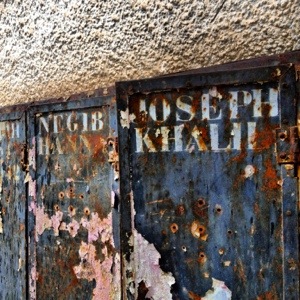
Old lockers

There has been talk of a museum, a documentary, and even getting the trains back on track. Unfortunately, talk’s all that seems to have happened since such things were written in a TimeOut Beirut article almost 3 years ago. Elias Boutros Maalouf from Ecuador (familial roots from Rayak) put together a study called “The Rayak Train Museum Proposal” in 2009. The document, in French, English, and Arabic, describes a plan for a museum for all the Lebanese railways. You can check out the whole thing here. Some tidbits from the proposal:
  • “By 1912, it was a vital cog in an intercontinental rail system that spread throughout Europe and Asia and, by the 1940s, linked Europe and Africa.”
  • “In the beginning of August 1895, the first train took off from the port of Beirut to Rayak railway station.”
  • “Rayak was famous for having one of the biggest train factories in the world at that time. It was later well known for designing and reassembling old steam engines that worked on charcoal to work on fuel.”
  • “In 1976, the railway was shut due to the civil war, ending more than 85 years of success and achievements.”
  • “In World War II, this factory was used as a military base in which military weapons were fixed. At that time a group of engineers from both the train factory and Rayak’s Military Airbase were assigned to build airplanes for the French military. Some of the airplane parts were manufactured and designed in Rayak’s train factory. They were then taken to Rayak airport to be assembled to their new chassis, and, Rayak’s first airplanes conquered the sky.”
I contacted Mr. Maalouf to ask what has come of this project since there was no recent news of it. Apparently, he has completed the Lebanese Railways documentary but he’s still waiting for the opportune moment to release it. Three weeks ago, Train/Train, the NGO he co-founded, met with Gaby Layoun, the Minister of Culture, to discuss the project – however, they have yet to hear back from the Ministry since. Officials from the Ministry of Transport, on the other hand, visited Rayak last week with a freight truck company to see to plans of a truck hub at the station – an effort that Train/Train would like to thwart. Train/Train Lebanon are “working on preserving the past and building the future of the Lebanese Railways.” You can follow them on Twitter and check them out on Facebook.

Another site to check out is CEL – Chemin de Fer de l’Etat Libanais; it has information on the railways including timetables, postcards, and photographs all collected by Børre Ludvigsen.